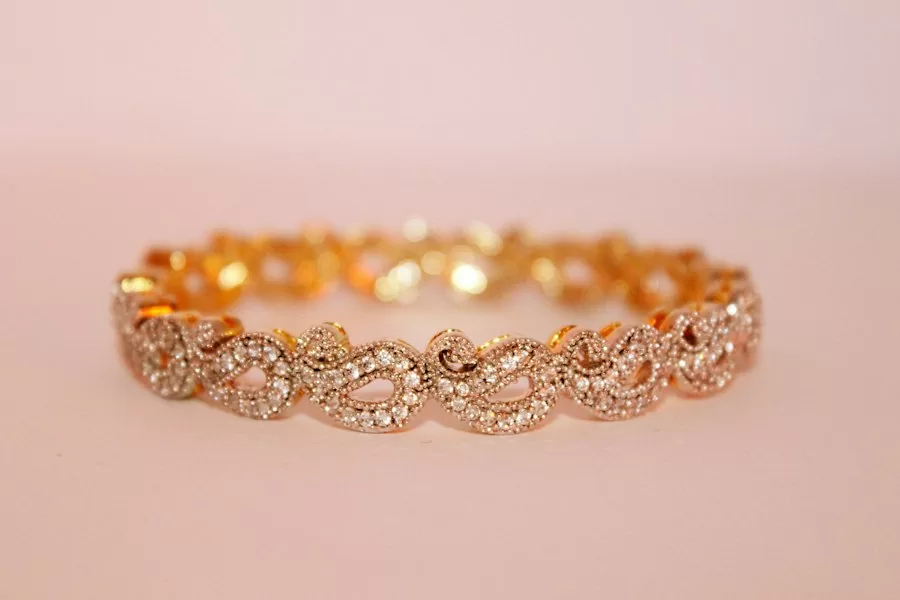
At the counter, customers ask the same question in different words: can my ring go in the ultrasonic? The honest answer starts with "depends on the setting." Moissanite itself is one of the safest stones in an ultrasonic bath. The metalwork, the accent stones, and the age of the piece are what decide. A staff member who can run through that decision in ten seconds looks professional and prevents avoidable damage.
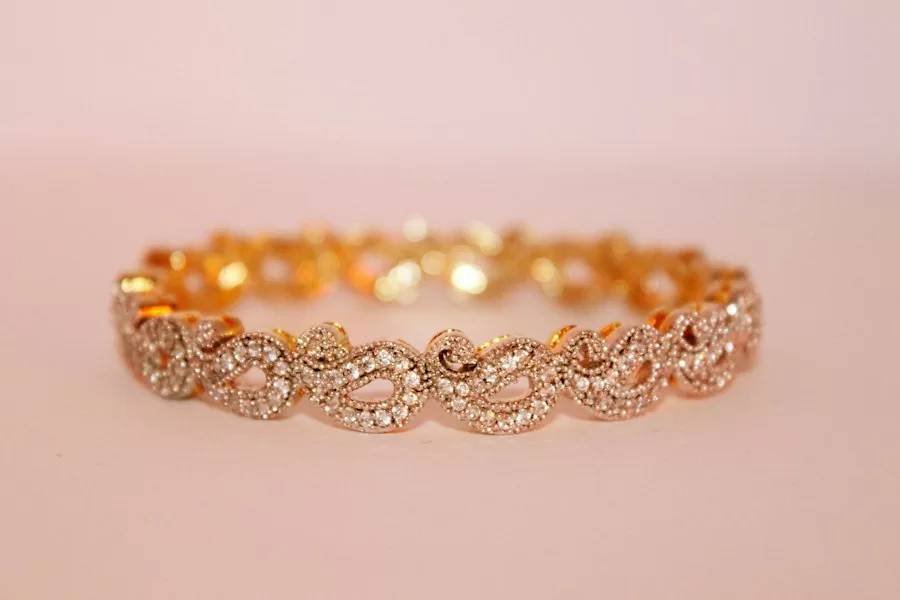
Why moissanite itself is safe
Moissanite ranks 9.25 on the Mohs scale, second only to diamond among common gemstones. It is stable under temperature swings, does not absorb water, and is not sensitive to the mild ammonia solutions used in most ultrasonic machines. Vibration will not crack it, heat will not change its color, and steam will not etch its surface. In isolation, a loose moissanite stone could run through an ultrasonic cycle all day without issue.
What changes the answer
The stone is not the only component in the setting. Run through this checklist before any ultrasonic or steam cycle:
- Pave and micro-pave settings. Tiny accent stones held by beads are at risk. Vibration can loosen beads, and steam can push moisture under stones that were set with adhesive.
- Surface-reaching feathers or chips. A moissanite stone with a visible surface fissure is at low but real risk of crack propagation under prolonged vibration.
- Glued or epoxy-held stones. Some fashion settings and imported pieces use adhesive rather than mechanical setting. Ultrasonic and steam can soften adhesive over time.
- Antique or heavily worn mounts. Old prongs, worn shanks, and loose stones move under vibration even when the center stone is safe.
- Coated color moissanite. Optical coatings on the pavilion can degrade faster under repeated ultrasonic and steam exposure. Use hand cleaning.
The safe-cleaning hierarchy
Use this order when you are unsure:
- Warm soapy water and a soft brush. Universally safe. Reaches under prongs, lifts skin oils, and removes the cosmetics that dull moissanite fire. This is the default for every customer.
- Ultrasonic, short cycle. Safe for a mechanically set moissanite in solid 18k gold or platinum, no pave, no adhesive, no chips. Keep cycles under three minutes. Do not add ammonia to a mixed-metal load.
- Steam, brief burst. Safe for the same robust settings. Hold the steam gun a few inches away and avoid prolonged contact at the girdle.
When in doubt, stop at step one. A hand-cleaned ring is sparkling in ninety seconds and carries zero risk.
What to tell customers at home
Most customers do not own an ultrasonic. The home-care message is simple: warm water, a drop of mild dish soap, a soft toothbrush, and a lint-free cloth. Avoid harsh bleach, chlorine in pools, and abrasive polishing cloths designed for silver. Perfume and hairspray should go on before the ring, not after. Our longer guide to 18k gold ring care and our piece on everyday durability cover the home side in more detail. For staff training scripts, see after-sales care training.
When to refer to a bench jeweler
If a ring has stones that rattle, prongs that look bent, or buildup that will not brush off, it is not a cleaning problem. It is a repair. Send the piece to your bench before any ultrasonic cycle. Running a loose stone through vibration guarantees it comes out in the bottom of the tank. A five-minute inspection costs nothing; a lost pave stone costs the sale.
Home ultrasonic versus counter cleaning
Small consumer ultrasonic cleaners sold online sit in a gray zone. They run at lower power than bench machines, use tap water instead of a proper cleaning solution, and rarely include a rinse cycle. They are fine for a robust solitaire in 18k gold with no pave. They are not fine for a pave-set anniversary band, a coated moissanite, or an older ring with loose prongs. If a customer asks whether they should buy one, the honest answer is that a ninety-second hand clean with a brush and warm soapy water will do the same job without the risk. Save the ultrasonic for the bench, where someone can inspect the ring before and after the cycle.
Steam cleaning at the counter is a fast way to make a ring look new, but it should follow the same checklist. Never steam a pave-set, glued, or coated piece. Hold the gun a few inches away, use a one-second burst, and follow with a soft brush. Customers love the visual, but it is a bonus, not a default.
Moissanite is tough. The settings around it are not. Train your team to ask about the mount before they answer about the stone, and you will spend less time replacing jewelry and more time selling it.
For third-party reference, the Wikipedia article on moissanite details moissanite’s discovery, optical properties and use in jewellery.
Frequently Asked Questions
Is moissanite a good diamond alternative for retail buyers?
Yes for price-sensitive customers who want brilliance and hardness. Moissanite ranks 9.25 on the Mohs scale, holds up to daily wear and costs a fraction of a natural diamond of the same size, so it resells fast in bridal and fashion lines.
What is the minimum order for wholesale moissanite?
MOQ starts at 50 pieces per design for stock items. Custom cuts and private-label settings usually start at 100–300 pieces depending on the mold.
Do you provide certificates with moissanite stones?
Yes. Every parcel ships with GRA or IGI documentation listing carat weight, color grade and cut. We recommend passing the certificate to your end customer for trust.
How long does sample and bulk production take?
Samples ship in 3–5 days. Bulk runs take 15–20 days under 500 pieces, and 25–30 days for custom work.