Buyers do not fail on 18k gold rings because the design is wrong; they fail because the range was never read as a range.
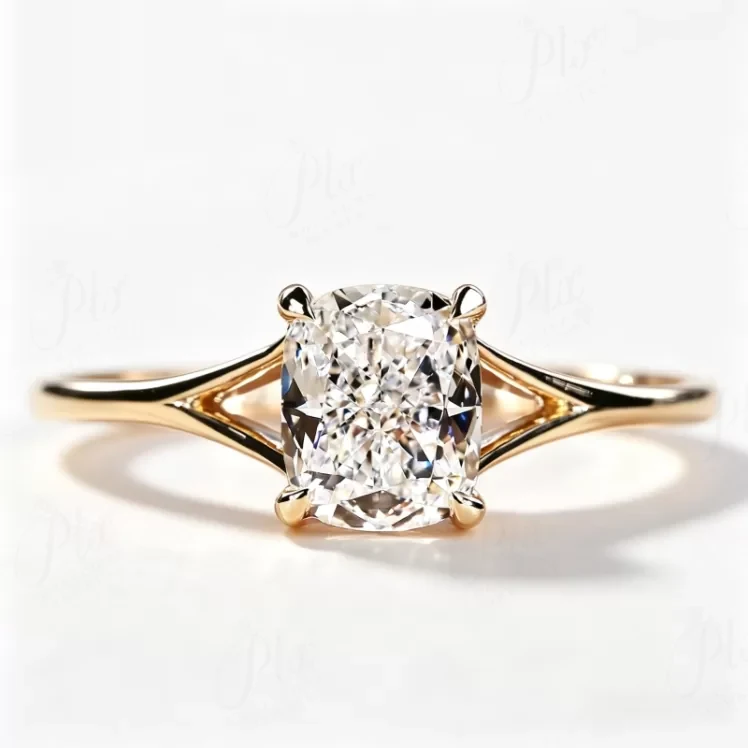
Photos are specification, not decoration
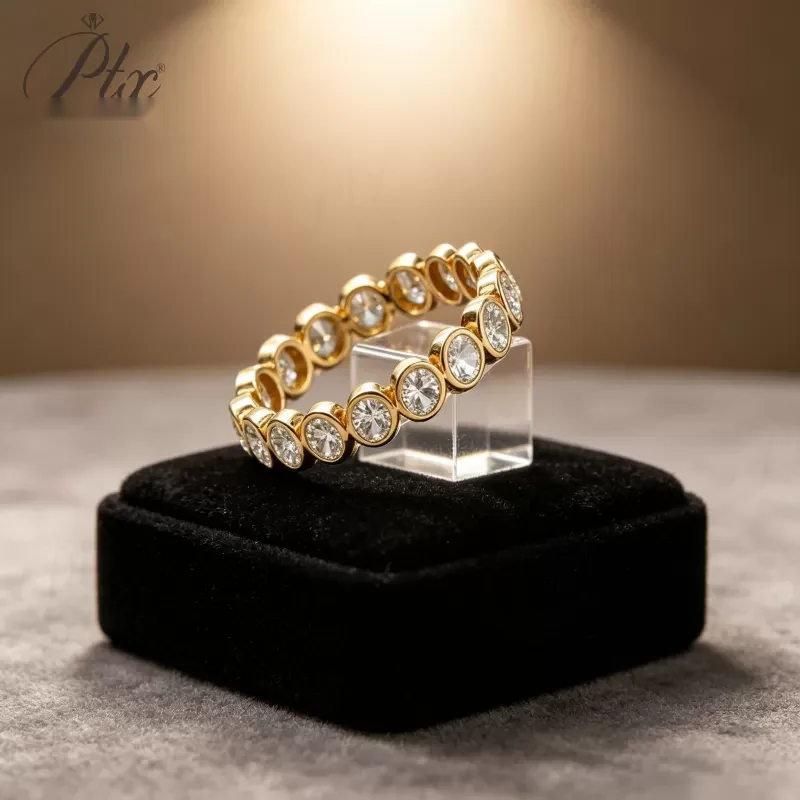
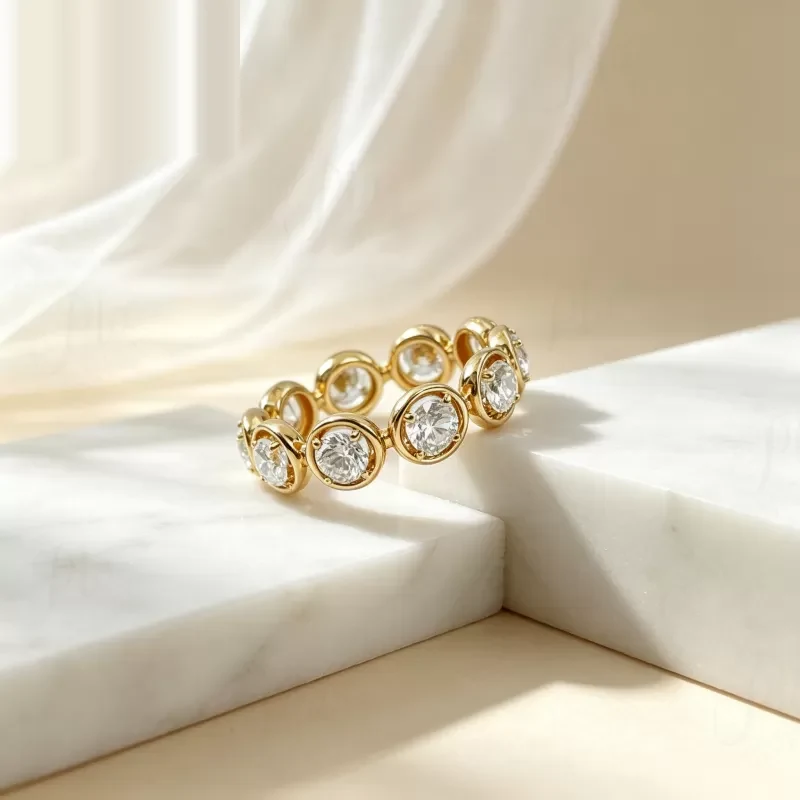
A buyer cannot inspect a 18K Gold Rings design in person before a first order, so the photo set has to do the work of an inspection. That means a fixed sequence that shows the fields a spec sheet cannot: proportion, setting depth, and finish under neutral light. The range holds 9 designs in this category.
A range of 9 designs is deep enough that a shortlist of six can be drawn without leaving a price slot empty.
With 9 designs on file, the reorder path usually exists before the first order is placed.
The six frames that answer the questions
| Frame | Question it answers | Common omission |
|---|---|---|
| Front, neutral light | Overall proportion | Studio warmth hides tone |
| Macro on the stone | Cut and setting quality | Glare hides inclusions |
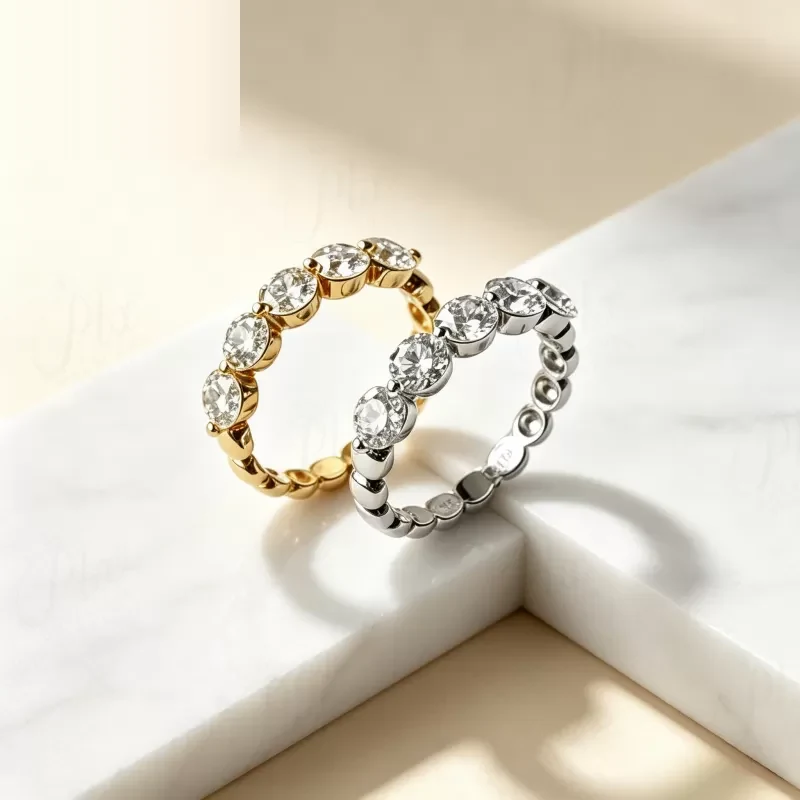
| Reverse side | Setting security | Almost always missing |
| On a hand or ring stand | Real scale | Scale read from a crop |
| Side profile | Setting height | Height changes wear |
| Pack shot | What ships | Box shown, contents unclear |
Why the reverse side matters most
Stone security is decided at the back of the setting. A clean front view can hide a gallery that will not hold a stone through daily wear. Two frames from the reverse side will settle the question faster than any description.
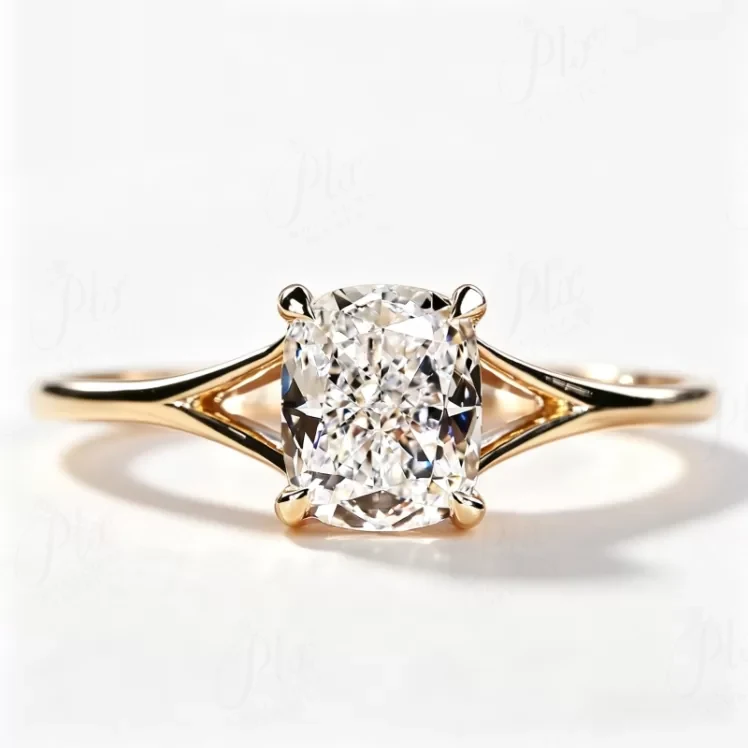
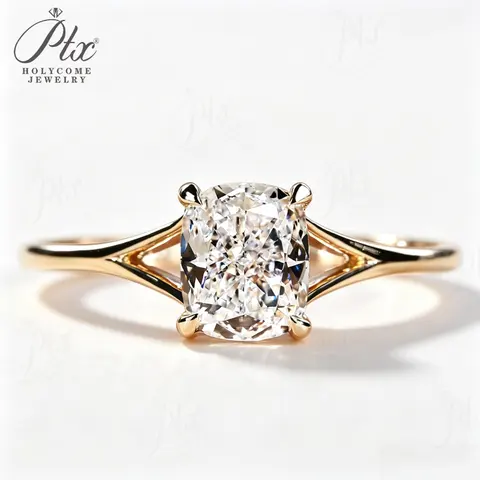
Reference designs in the range include 18K Gold Lab Grown Diamond Oval Cut Engagement Ring; IGI Certified Lab Diamond Round Cut Ring, 14K/18K Gold; 14K/18K Gold IGI Lab Diamond Wedding Band Ring.
Lighting rules that keep the metal honest
- Neutral daylight, no warm filter
- One diffused source, no ring light hotspots
- No background that flatters the plating tone
- Consistent white balance across the set
- No retouching that removes surface texture
Consistency across the set matters more than any single frame, because the buyer is comparing designs, not admiring one.
Turning the set into a listing that converts
A listing that shows six frames in the same order for every design gives the buyer a comparison tool. That comparison is what replaces the showroom visit, and it is also what reduces returns.
Range snapshot: 18K Gold Rings by the numbers
| Dimension | Reading | Buying note |
|---|---|---|
| Designs on file | 9 | Shortlist can come from stock patterns |
Read the snapshot before the shortlist: a category that is narrow in metal but deep in cut behaves differently from one that is the other way round.
Frequently Asked Questions
How many photos does a wholesale listing need?
Six frames per design is enough to answer the specification questions. More frames usually repeat the same angles.
Can I use factory photos on my own site?
Only with permission, and only if they match the build you are selling. A mismatched photo is a returns source.
Should photos show the box and packaging?
One pack shot is enough, and it should show what actually ships rather than a styled gift scene.
Do I need video?
A short rotation helps for setting depth, but a complete still set answers more questions per second spent.
What is the most common photo mistake?
Omitting the reverse side. It is the frame that decides whether the design survives daily wear.
If you want to work from the current range rather than from a catalogue PDF, send the two price slots you sell and the size bands you stock. We will reply with the designs that fit, the build on each, and the reorder path. HOLYCOME keeps the full range in one place.
The checklist below is the short version of everything above, and it is worth running before the quote rather than after the order.
- Confirm the design is a stock pattern and not a new build
- Match the base metal and finish against the spec sheet
- Check the stone origin wording before it goes on a listing
- Quote every design at the same MOQ tier before comparing
- Ask which design in the same price slot absorbs a stock-out