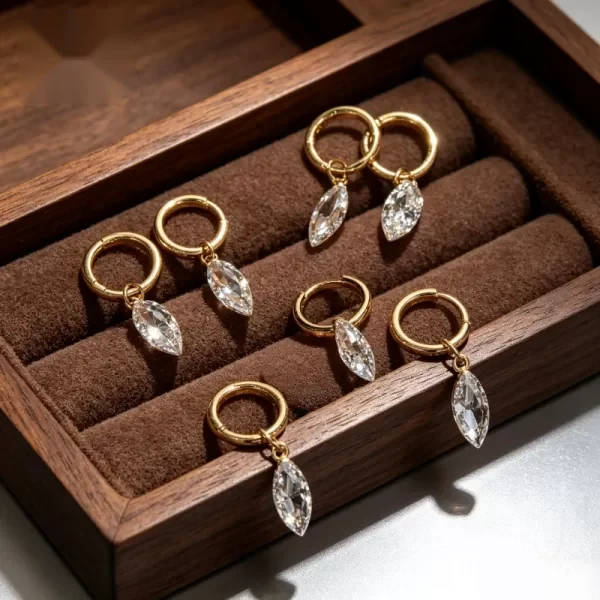
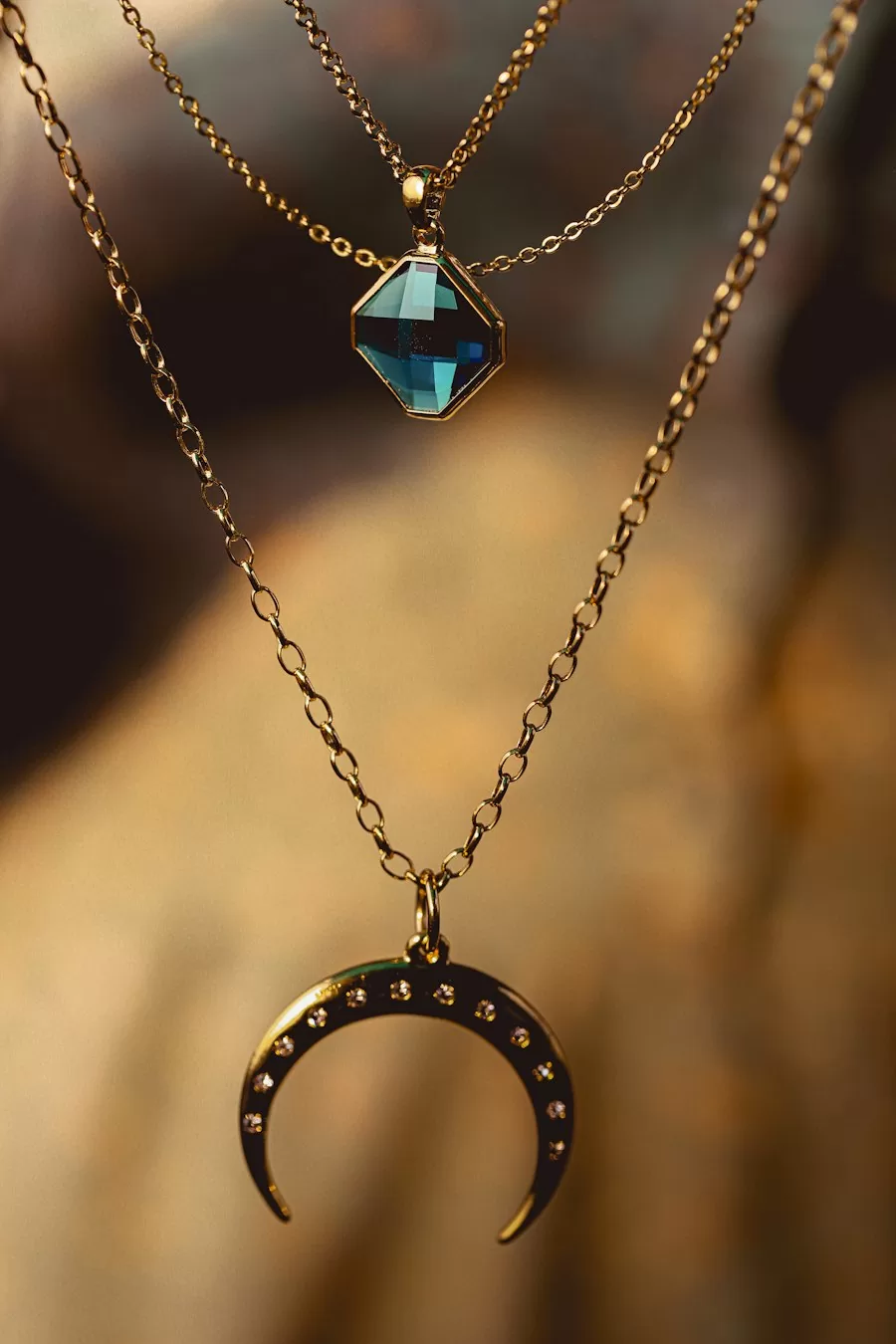
Every independent jeweler reaches the same fork. Do you buy inventory outright from a wholesaler, or take it on consignment and pay only when it sells? The question feels like a cash-flow decision, but it is actually a brand decision. The model you choose shapes how much margin you keep, how much control you have over pricing, and how easily you can build a name of your own. For a moissanite business, the tradeoff is sharper than most buyers expect.
How each model works in practice
Wholesale means you purchase the goods at a trade price, they become yours, and you price and sell them as you wish. You carry the risk if a piece does not move, but you also keep the full markup. Consignment means the supplier retains ownership, the piece sits in your case, and you take a commission, often forty to fifty percent of the retail price, when it sells.
On paper, consignment looks risk-free. No dead stock, no upfront cash, no storage cost. In practice, the convenience comes out of your margin and your control. A consignment arrangement usually dictates the retail price, limits your ability to discount, and requires you to report and settle on someone else's schedule.
The cash-flow math
Consider a moissanite piece you can buy wholesale for $300 and retail for $900. Outright, after the cost, you net $600 on that sale. On consignment at a fifty percent commission of the same $900 retail, you net $450, and you never owned the piece. To match the wholesale profit on that single item, you would need to sell roughly one and a third consigned pieces. Consignment only wins the math when your cash is so tight that buying outright is impossible.
That said, there is a legitimate time for consignment: a brand-new store with limited capital testing a category. Use consignment as a learning tool, not a long-term structure. Once sales data tells you which pieces actually move, shift those winners to wholesale so you keep the margin.
Control and brand equity
This is where the decision matters most for a moissanite retailer. Building a private-label or branded line requires that you own the product. You cannot build a recognizable brand on someone else's consigned pieces that another shop down the street also carries. Wholesale gives you the room to develop exclusives, negotiate custom designs, and tell a customer that this piece is from your collection.
Our private-label guide lays out how retailers move from reselling generic stock to owning their own line, and that path runs through wholesale, not consignment. If your goal is a store people seek out specifically, outright purchasing is the route.
Risk management for the wholesale buyer
The objection to wholesale is always the same: what if it does not sell? That risk is real, but it is manageable. You do not have to commit deeply on day one. Start with a small, curated order of proven shapes and sizes. Our best-seller guide identifies the core pieces that move quickly, so your first wholesale buy leans on demand rather than hope. Reorder only what sold.
Pair that with tight receiving discipline. Inspect every piece against the order, confirm stamps and certificates, and photograph incoming stock. The faster you catch a defect, the faster it goes back to the vendor and the less dead weight you carry.
Watch for the hidden costs of consignment
Consignment is not as free as it looks. You still provide floor space, staff time, and insurance for the pieces, and you carry the burden of displaying them without owning the margin. When a consigned piece sits unsold for six months, it occupies a slot that could have turned wholesale inventory. Many stores discover that their consigned trays underperform their owned stock, because staff have less incentive to sell a piece they earn less on. Track sell-through by ownership type for a quarter. The numbers usually make the decision for you: owned inventory turns faster and earns more per sale, which is the whole argument for buying wholesale once you can.
A hybrid that works
Most mature stores end up running both. They buy their core, repeat-selling staples wholesale, because those are predictable and high-margin. They test new categories or seasonal pieces on consignment at first, then convert the winners to wholesale once the data is clear. This keeps cash flow flexible without sacrificing long-term margin.
The mistake to avoid is staying consignment-only because it feels safe. Safety on day one becomes a ceiling on year three. Treat consignment as your training wheels, then graduate to wholesale as soon as your sell-through numbers justify it. That is how a jewelry store turns inventory into a brand. Revisit the split every six months as sales data accumulates, and let the margin difference, not the comfort, decide.
For third-party reference, the Wikipedia article on moissanite details moissanite’s discovery, optical properties and use in jewellery.
Frequently Asked Questions
How do I verify a factory before placing a bulk order?
Request a production video, business license, export records and a paid sample run. A factory that accepts a 50-piece test order is usually a real manufacturer.
What payment terms do you offer?
30% T/T deposit with the balance against the bill of lading. This protects both sides on first orders and can move to net terms after a track record.
What is your normal reject rate?
3–5% under 10x loupe inspection for cast and set pieces. Defective units are replaced free in the next shipment.
Where is the factory located?
Wuzhou, Guangxi, China—the core lab-grown and moissanite manufacturing cluster. Shipments go via Guangzhou or Shenzhen ports.