The question that decides a custom wedding sets order is rarely the one printed in the catalogue.
Sizes are where a range quietly loses money
A Custom Wedding Sets design that sells in four sizes and stocks in nine carries five dead variants for every winner. The range holds 1 designs in this category.
The size curve is the cheapest part of the assortment to fix, because it needs no new design, only a decision about which bands to hold.
The figure of 1 is worth reconciling against your own shortlist before the quote, because it sets how much of the buy can be stock.
1 designs means the shortlist can be assembled from stock patterns rather than from development requests.
Reading the curve before the order
| Band | Hold or quote | Why |
|---|---|---|
| Core band | Hold in stock | Carries most of the sell-through |
| Adjacent band | Hold one design | Covers the size requests |
| Extremes | Quote per order | Too slow to hold, too rare to drop |
Why resizing is not a substitute for size coverage
Resizing works on a plain band and gets expensive on a set or a full eternity design. A buyer who plans to resize every order is planning to absorb a cost that belongs in the assortment decision.
Setting a curve you can actually stock
- Hold the core band in every design you carry
- Hold one adjacent band in the top two designs only
- Quote extremes rather than stocking them
- Record size requests that came back as a lost sale
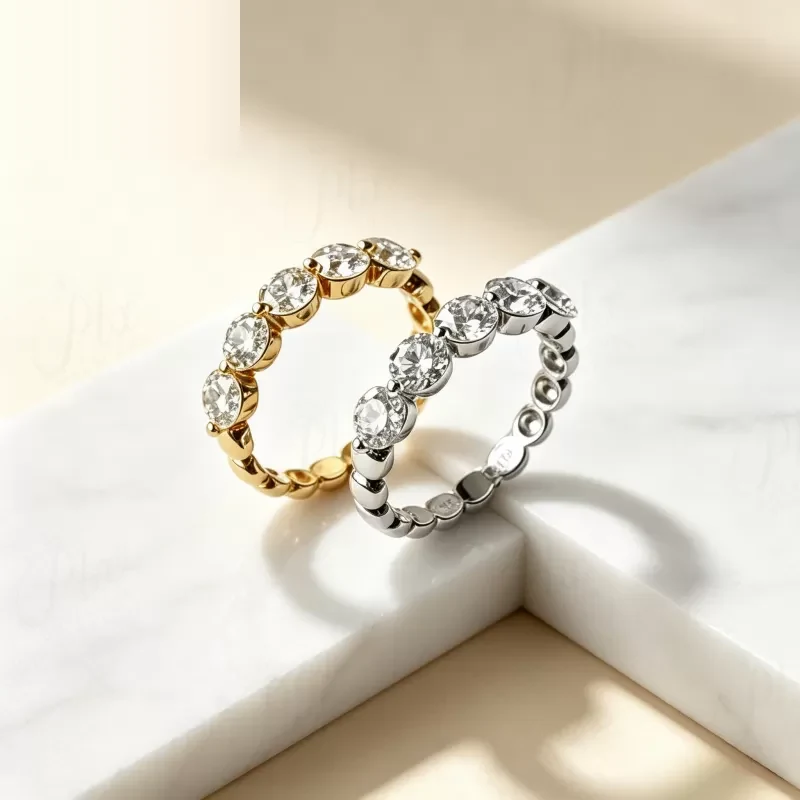
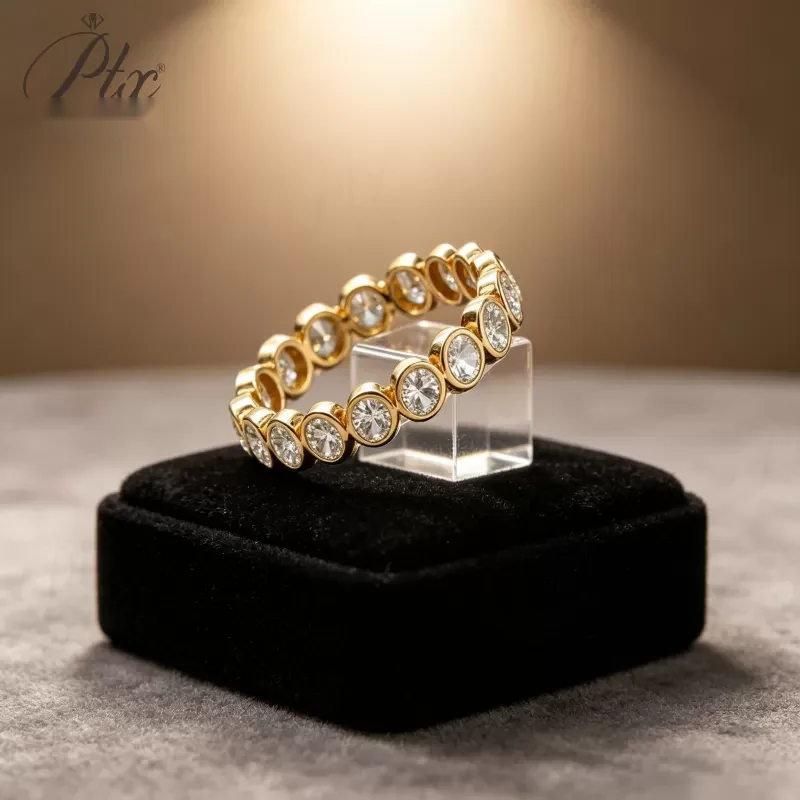
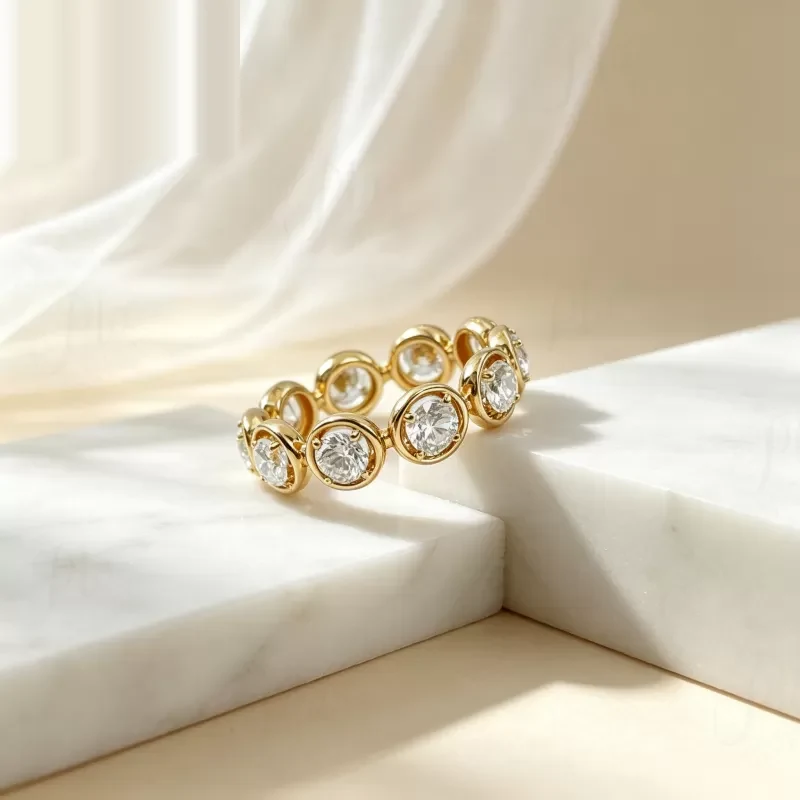
Reference designs in the range include 14K/18K Gold IGI Lab Diamond Wedding Band Ring.
What the curve costs and returns
A tight curve lowers the units at risk and raises the chance the size a customer asks for is on the shelf. The trade-off is a quote on the edges, which is a delay rather than a lost sale if it is stated up front.
Range snapshot: Custom Wedding Sets by the numbers
| Dimension | Reading | Buying note |
|---|---|---|
| Designs on file | 1 | Shortlist can come from stock patterns |
Read the snapshot before the shortlist: a category that is narrow in metal but deep in cut behaves differently from one that is the other way round.
Frequently Asked Questions
How many sizes should a design carry?
The core band plus one adjacent band is enough for most stores. The rest can be quoted per order.
Is it better to resize or to stock more sizes?
Resize on plain bands, stock on complex settings. The setting type decides which is cheaper.
Do size variants count against MOQ?
Usually they are counted per design per size. Confirm before assuming a size run is a single line.
What is the most common size mistake?
Stocking nine sizes of one design and two sizes of the design that actually sells.
Can the factory hold stock for a size run?
Some can, on stock patterns. Ask which designs are held and which are built to order.
If you want to work from the current range rather than from a catalogue PDF, send the two price slots you sell and the size bands you stock. We will reply with the designs that fit, the build on each, and the reorder path. HOLYCOME keeps the full range in one place.
The checklist below is the short version of everything above, and it is worth running before the quote rather than after the order.
- Confirm the design is a stock pattern and not a new build
- Match the base metal and finish against the spec sheet
- Check the stone origin wording before it goes on a listing
- Quote every design at the same MOQ tier before comparing
- Ask which design in the same price slot absorbs a stock-out