The most common reason a bridal shopper leaves without buying is not that they dislike the ring. It is that the timing of the payment does not match the timing of the moment they want. They love the ring, but the lump sum lands between paychecks, before a bonus, or ahead of a tax refund. That is where financing and layaway stop being a nice-to-have and start being a core sales tool. For moissanite retailers, these options are especially powerful because the price point already invites budget-conscious buyers.
Layaway: commitment without debt
Layaway is the older, simpler model. The customer chooses a piece, pays a deposit, and pays off the balance in installments over a set period while the store holds the jewelry. Once paid in full, the customer takes the piece home. There is no interest, no credit check, and no third-party lender. The customer is locked into the purchase, and the store is protected because the goods are not released until paid.
Layaway works beautifully for bridal shoppers who want to reserve a specific ring but need time to pay. It also fits customers who avoid credit entirely. The operational requirement is discipline: clear written terms on the deposit, the payment schedule, the timeline, and what happens to payments if the deal falls through. Spelled out in advance, layaway creates zero confusion. Vague terms create disputes.
Third-party financing and buy-now-pay-later
Third-party financing lets the customer take the ring home immediately and pay a lender over time, often with promotional interest-free periods for larger purchases. Buy-now-pay-later services split a purchase into a few automatic installments. Both models let the customer wear the ring now while spreading cost, and both pay the retailer upfront, minus processing fees.
The retail upside is immediate. Shoppers who hesitate at a price often buy once the number is reframed as a monthly amount. This is why financing consistently lifts average order value, the same goal behind strategies in our overview of increasing average order value in jewelry retail. The monthly framing turns a four-figure decision into something that feels reachable.
The moissanite price advantage
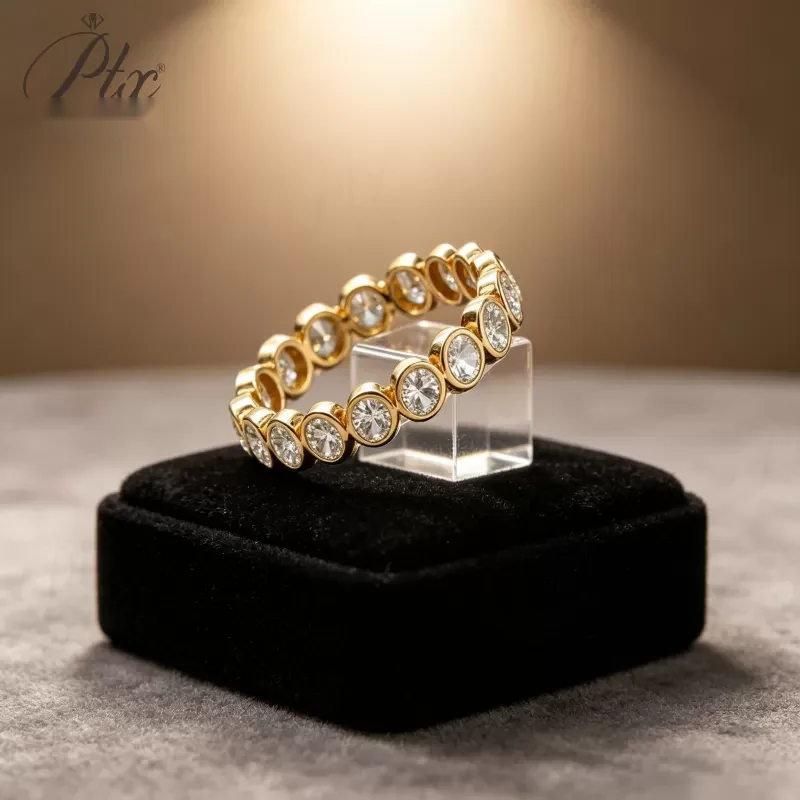
Moissanite's whole value proposition is that the buyer gets a high-look ring without a diamond-sized price. Layer financing on top and the math becomes compelling: a quality 18k gold moissanite solitaire that might feel like a stretch as a lump sum becomes a modest monthly payment. You are not discounting the ring; you are making the existing price accessible. That distinction matters for margin, which you can model in our piece on pricing your jewelry for retail margin. Financing should never be an excuse to cut price.
Risks and guardrails
These tools come with real considerations. With layaway, define your refund policy clearly: is the deposit refundable? What happens after missed payments? With third-party financing, disclose the terms honestly and never push a customer into a plan they do not understand. Misleading financing claims carry regulatory weight and reputational damage. Your staff should present options neutrally, answer questions, and let the customer choose.
Also protect yourself operationally. For layaway, label and store held inventory securely so it is never accidentally sold to someone else. For financed sales, confirm the lender has actually approved and funded the order before releasing the ring. Small slips here turn a sale into a loss quickly.
How to present it without pressure
The strongest approach is low-pressure and informational. When a customer shows hesitation, say simply: "This piece is available on a payment plan if that helps. I can show you what the monthly would look like, and there is no obligation." That sentence respects the customer's autonomy while giving them a path forward. Most buyers who need the option will take it. Those who do not will appreciate that you offered without pushing.
Which option fits which customer
Layaway suits the planner: the shopper who knows the ring, has a target date, and wants to pay without interest or a credit check. Third-party financing suits the buyer who wants the ring now and has the means to pay over a few months. A third group, the gift buyer under time pressure, often prefers a simple split-payment service that lets them give the ring today without waiting. Matching the option to the personality is what makes the offer feel helpful rather than pushy.
Whatever you offer, keep the paperwork clean. A one-page layaway agreement stating deposit, schedule, and refund terms, plus a clear note that financed sales are subject to approval, removes almost all friction. Customers remember a smooth, respectful process, and they come back for anniversary bands and gifts when they are ready. Financing is not just about this sale; it is about making the next one easier too.
The bottom line
Financing and layaway convert timing objections into closed sales. Layaway suits cautious, credit-averse buyers who want to reserve a specific piece; third-party options suit buyers who want the ring immediately. Moissanite's already-accessible pricing makes these plans land especially well. Run them with clear written terms, honest disclosure, and operational care, and they become one of the most reliable levers a bridal retailer has.
For third-party reference, the Wikipedia article on moissanite details moissanite’s discovery, optical properties and use in jewellery.
Frequently Asked Questions
What ring sizes can you supply in bulk?
US sizes 5–12 including half sizes. Send a size breakdown with your order and we cast to that curve; comfort-fit inner bands reduce resize requests.
Can I order a mixed size run instead of one size?
Yes. Mixed runs are standard for wholesale: specify quantity per size and we pack and label by size at no extra labor cost.
What is the MOQ for custom ring designs?
50 pieces per design for existing molds; 100–300 pieces when a new mold or CAD model is required.
How should I price rings for retail margin?
Most partners use a 3–4x markup on FOB cost for sterling and 2.5–3x for moissanite solos, which keeps landed cost under 30% of retail.