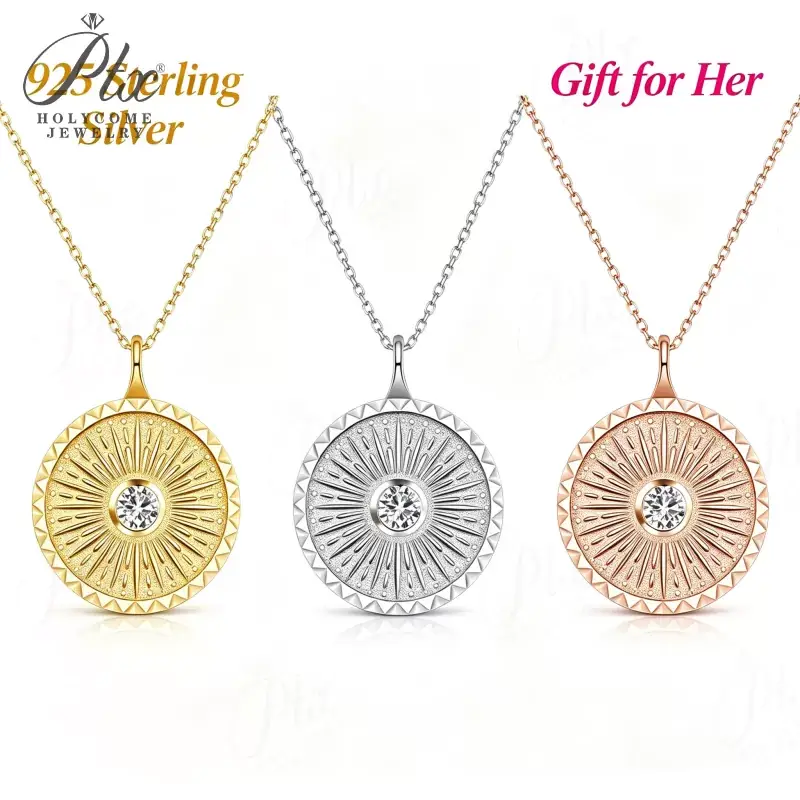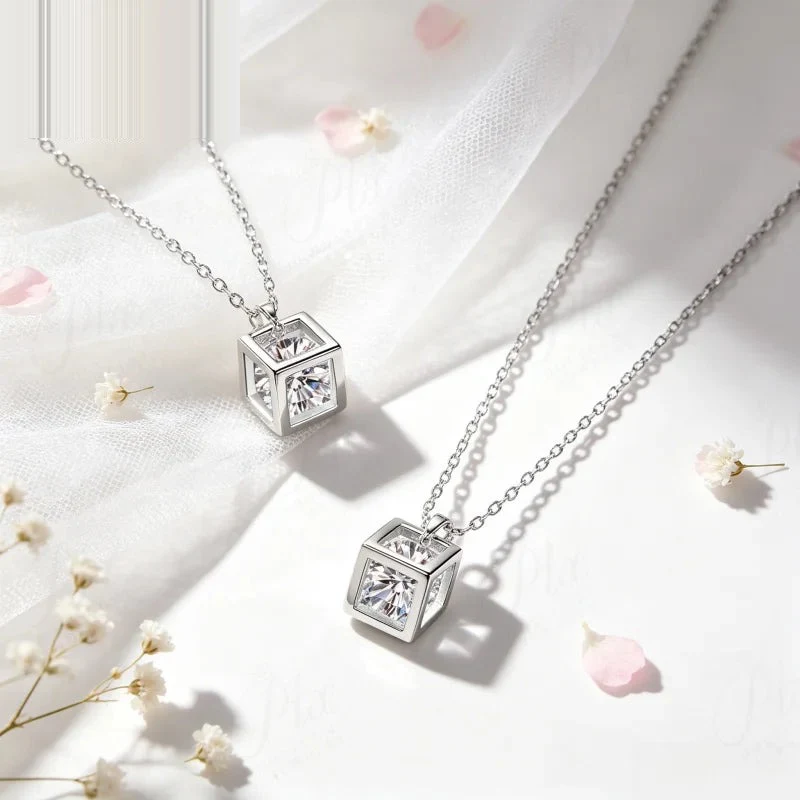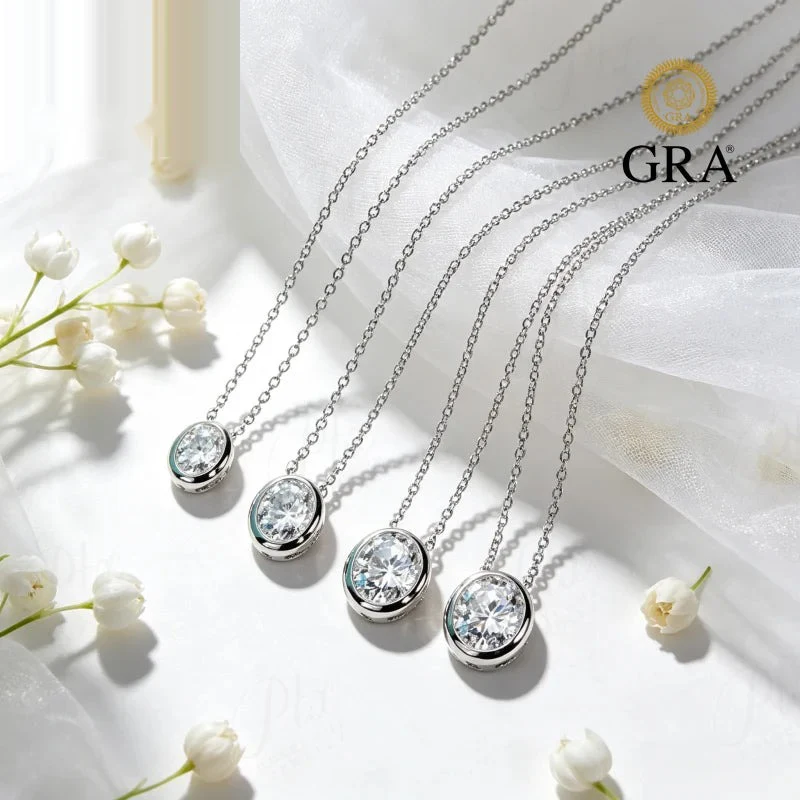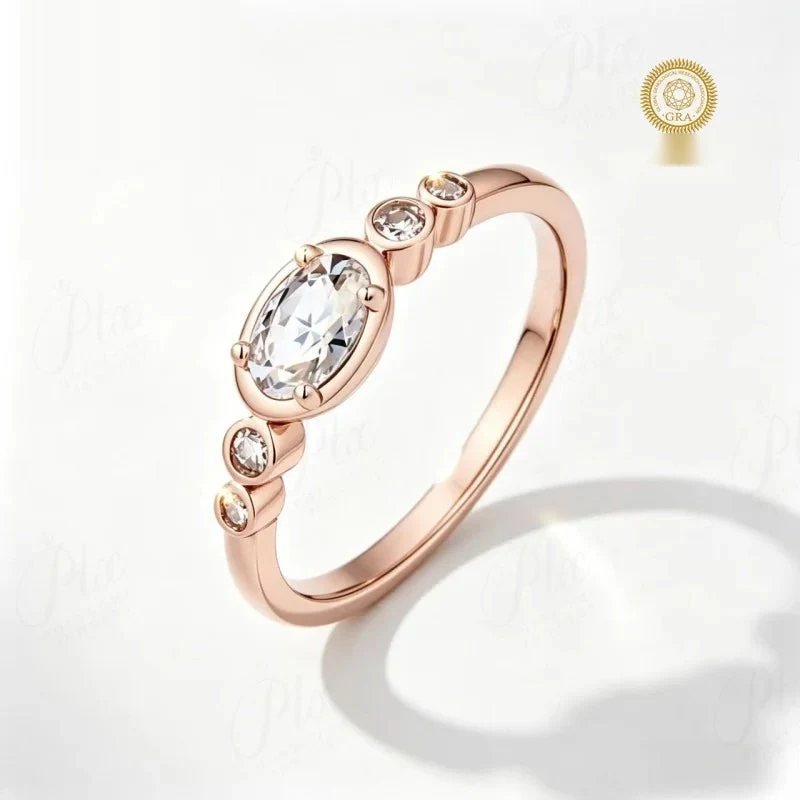
Moissanite jewelry is small, valuable, and easy to walk off with. A locked cabinet of rings that fits in two hands can represent tens of thousands of dollars in inventory. For a retailer, that concentration of value is exactly why insurance is not a luxury—it is the difference between a bad day and a business-ending loss. Yet many small jewelry owners underinsure, misunderstand what their policy covers, or discover the gap only after something goes wrong.
This guide walks through the coverage categories moissanite retailers should understand, the gaps that cause the most disputes, and the risk habits that keep premiums reasonable.
Start with what can actually happen
Jewelry retail faces a predictable list of risks: theft from the store, burglary after hours, display-case smash-and-grabs, fire or water damage, and inventory lost or damaged while in transit. There is also the quieter risk of a staff member, a data breach, or a customer injury on the premises. Your insurance program should map to these real scenarios rather than to a generic small-business policy.
Commercial property versus jewelry-specific coverage
A standard commercial property policy often sets a low sub-limit for jewelry and high-value items. That means even if you think you are covered, a theft loss may only be partially reimbursed. Jewelry retailers usually need a specialized floater or inland marine policy that schedules specific items at their documented value. Scheduling means listing your inventory with descriptions and values, which lets the insurer agree in advance on what each piece is worth.
Replacement cost versus actual cash value
Read the valuation clause carefully. Replacement cost covers what it costs you to replace the moissanite piece at today's wholesale prices. Actual cash value subtracts depreciation, which on jewelry can mean a disappointing payout after a loss. For active inventory that you restock regularly, replacement cost coverage is usually worth the modest extra premium. Keep your vendor invoices as proof of both value and authenticity; they are the documents a claims adjuster will ask for.
Do not forget transit and shipping
Inventory in motion is often excluded from a storefront policy. Rings flying in from your supplier, samples going to a trade show, or pieces mailed to a customer each need transit coverage. If you work with suppliers overseas, read up on shipping and logistics for wholesale jewelry and confirm who carries risk at each stage under your incoterms. Cheap shipping insurance on individual parcels is rarely enough for a high-value wholesale shipment; make sure the declared value matches reality.
Protect yourself against liability and loss of income
Two other coverages earn their place. General liability protects you if a customer slips in the store or alleges damage from a piece you sold. Business interruption coverage keeps bills paid if a fire or burglary closes your shop for weeks while you rebuild. For retailers who also sell online, consider coverage that extends to inventory stored at home or in a third-party warehouse, because home renters' or homeowners' policies typically do not cover business stock.
Document everything while the sun is shining
A claim goes smoothly only if you can prove what you owned. Keep a current inventory log with photos, vendor invoices, cost prices, and SKUs, backed up off-site. Record serial numbers, metal stamps, and stone specs. When you receive a shipment, the receiving discipline in our quality-control checklist for receiving wholesale orders doubles as your loss documentation: dated photos and inspection notes are exactly what an insurer wants to see.
Risk management lowers your premiums
Insurers reward shops that make theft hard. A quality safe, locked display cases, glass break sensors, good lighting, and security cameras all reduce your risk profile and your premium. Leave high-value pieces in a locked case rather than on an open tray, and keep only a small amount on the sales floor overnight. These habits are not just safety theatre; they are the same controls an underwriter expects to see when quoting your policy.
Review the policy every year
Inventory value changes as your moissanite line grows. A policy sized for last year's stock under-covers this year's. At each renewal, reconcile your insured value against your actual on-hand inventory, update scheduled items, and confirm coverage for new channels such as trade shows or drop-shipped orders. When you onboard a new vendor, also check how shipments from them are insured, so a new supply chain does not quietly open a new gap.
Insurance is the boring backstop that lets you take calculated risks: expanding your bridal line, attending a trade show, or stocking a bigger halo collection. You hope never to use it. But the shop that survives a theft or a flood is almost always the one that read the fine print, scheduled its inventory, and kept the paperwork ready long before it needed to file a claim.
For HS classification of jewellery in customs and export documentation, the WCO Harmonized System nomenclature is the authoritative nomenclature.
Authoritative References
For buyers who need to verify the technical and regulatory basis of this guide, the following independent institutions publish authoritative reference data:
- GIA Gem Encyclopedia - independent grading and identification reference for natural and lab-grown gems.
- Wikipedia: Moissanite - peer-reviewed background on moissanite chemistry, optics and history.
Frequently Asked Questions
Is moissanite a good diamond alternative for retail buyers?
Yes for price-sensitive customers who want brilliance and hardness. Moissanite ranks 9.25 on the Mohs scale, holds up to daily wear and costs a fraction of a natural diamond of the same size, so it resells fast in bridal and fashion lines.
What is the minimum order for wholesale moissanite?
MOQ starts at 50 pieces per design for stock items. Custom cuts and private-label settings usually start at 100–300 pieces depending on the mold.
Do you provide certificates with moissanite stones?
Yes. Every parcel ships with GRA or IGI documentation listing carat weight, color grade and cut. We recommend passing the certificate to your end customer for trust.
How long does sample and bulk production take?
Samples ship in 3–5 days. Bulk runs take 15–20 days under 500 pieces, and 25–30 days for custom work.