Buyers do not fail on jewelry tools because the design is wrong; they fail because the range was never read as a range.

Too many designs is also a cost
Every extra design in a Jewelry Tools category carries a cost that never appears on the invoice: photography, copy, size variants, and the working capital that sits in the slowest seller. The range holds 75 designs in this category.
Trimming is not about carrying less. It is about keeping one design per job the category has to do.
The figure of 75 is worth reconciling against your own shortlist before the quote, because it sets how much of the buy can be stock.
A range of 75 designs is deep enough that a shortlist of six can be drawn without leaving a price slot empty.
Mapping jobs to designs
| Job | One design is enough | Trim rule |
|---|---|---|
| Opening price | Yes | Keep the cheapest that passes QC |
| Core volume | Two at most | Keep the two with the best repeat |
| Gift and bridal | Yes | Keep the one with the strongest spec |
| Stretch | Yes | Keep only if it sells without discount |
Where catalogs over-specify
Depth in one cut is often mistaken for breadth. Ten designs that differ only in the stone size occupy one job, not ten, and they cannibalise each other in search results as much as in the showroom.
The trimming sequence
- Rank by sell-through, not by photography quality
- Drop duplicates that serve the same price slot
- Keep the design with the cleanest spec sheet in each slot
- Re-check size coverage before removing the last of a size band
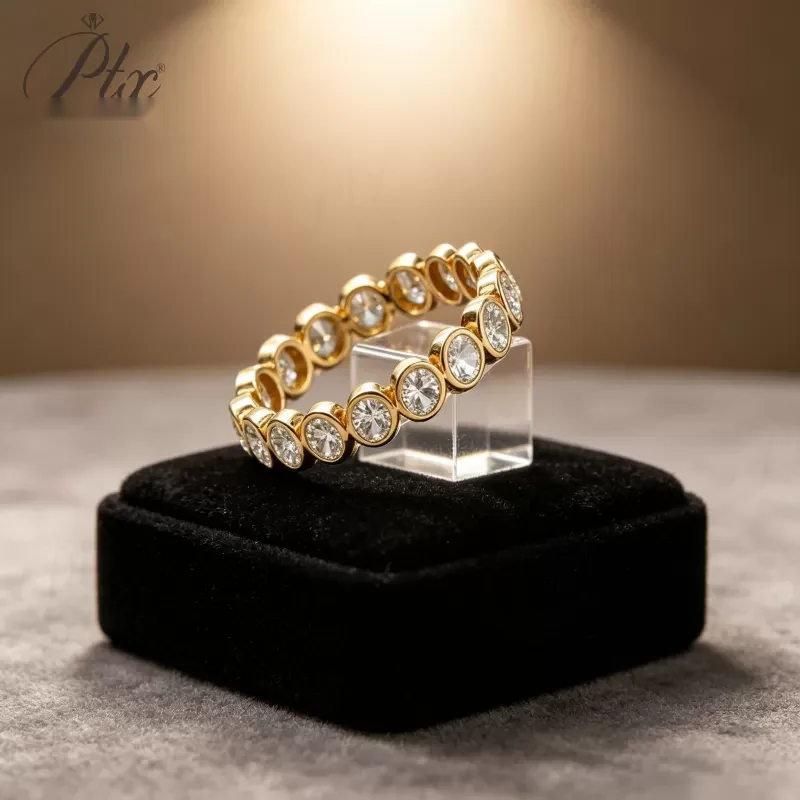
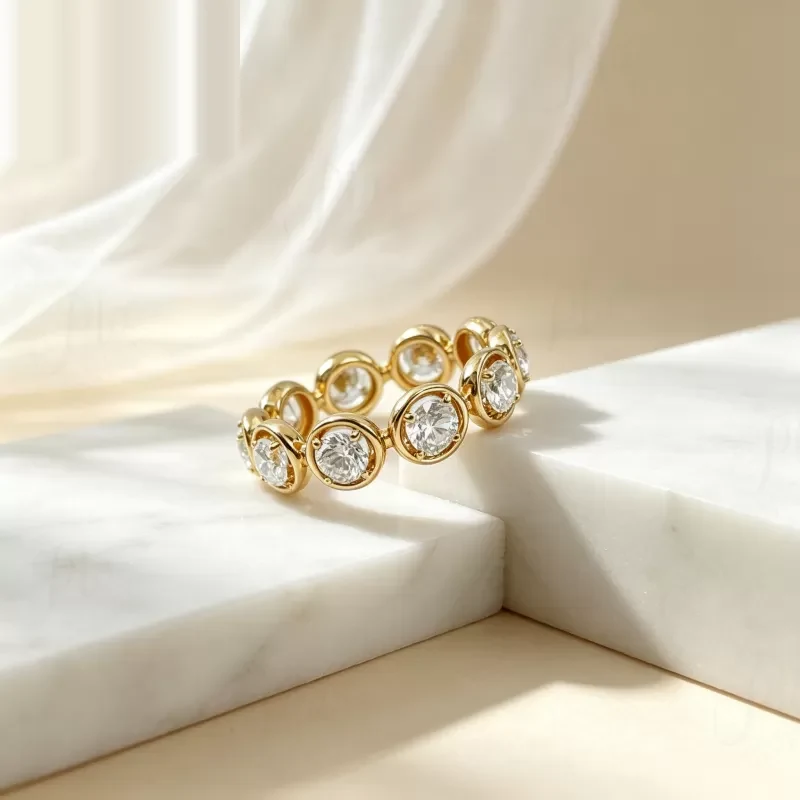
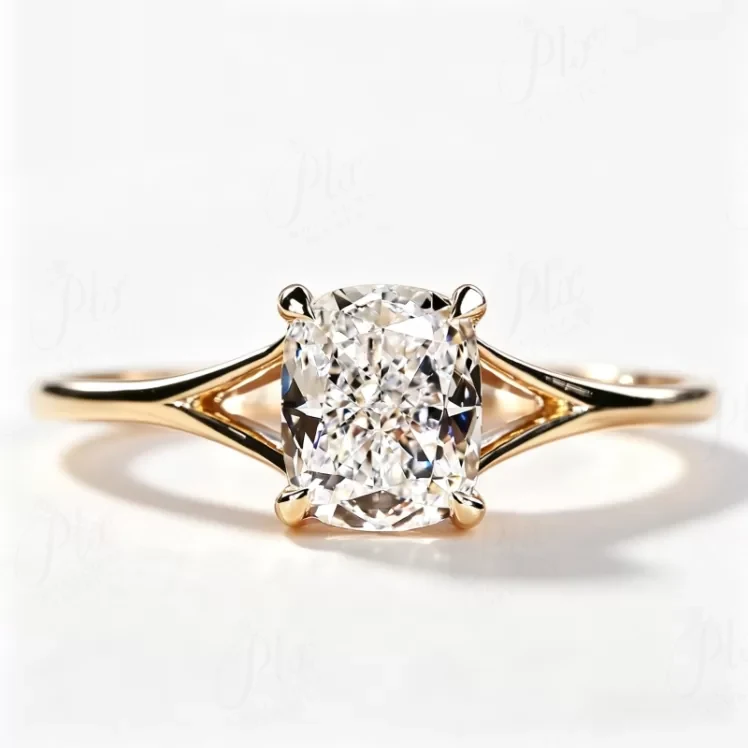
Reference designs in the range include 1ct Round Moissanite Jewelry D Color VVS1 925 Sterling Silver GRA; Lab Grown Diamond Jewelry Sets; Lab Grown Diamond Jewelry Sets.
What trimming does to the reorder
A trimmed category reorders in fewer, deeper lines, which is cheaper per unit and easier to forecast. The risk is losing a price point, so the check is coverage, not count.
Range snapshot: Jewelry Tools by the numbers
| Dimension | Reading | Buying note |
|---|---|---|
| Designs on file | 75 | Shortlist can come from stock patterns |
Read the snapshot before the shortlist: a category that is narrow in metal but deep in cut behaves differently from one that is the other way round.
Frequently Asked Questions
How many designs should one category carry?
One per job the category performs, plus one stretch design. Most categories need four to six.
Will trimming hurt search visibility?
Only if the removed designs were the ones ranking. Check which pages actually earn traffic before deleting anything.
Can I retire a design without losing the pattern?
Often yes. Ask the factory to keep the pattern on file so a later reorder does not require a new development fee.
What is the first design to cut?
The one that duplicates another design in the same price slot with a weaker spec sheet.
Does a smaller range raise the MOQ risk?
It can, because fewer lines means deeper units per line. Confirm the MOQ before finalising the trim.
If you want to work from the current range rather than from a catalogue PDF, send the two price slots you sell and the size bands you stock. We will reply with the designs that fit, the build on each, and the reorder path. HOLYCOME keeps the full range in one place.
The checklist below is the short version of everything above, and it is worth running before the quote rather than after the order.
- Confirm the design is a stock pattern and not a new build
- Match the base metal and finish against the spec sheet
- Check the stone origin wording before it goes on a listing
- Quote every design at the same MOQ tier before comparing
- Ask which design in the same price slot absorbs a stock-out