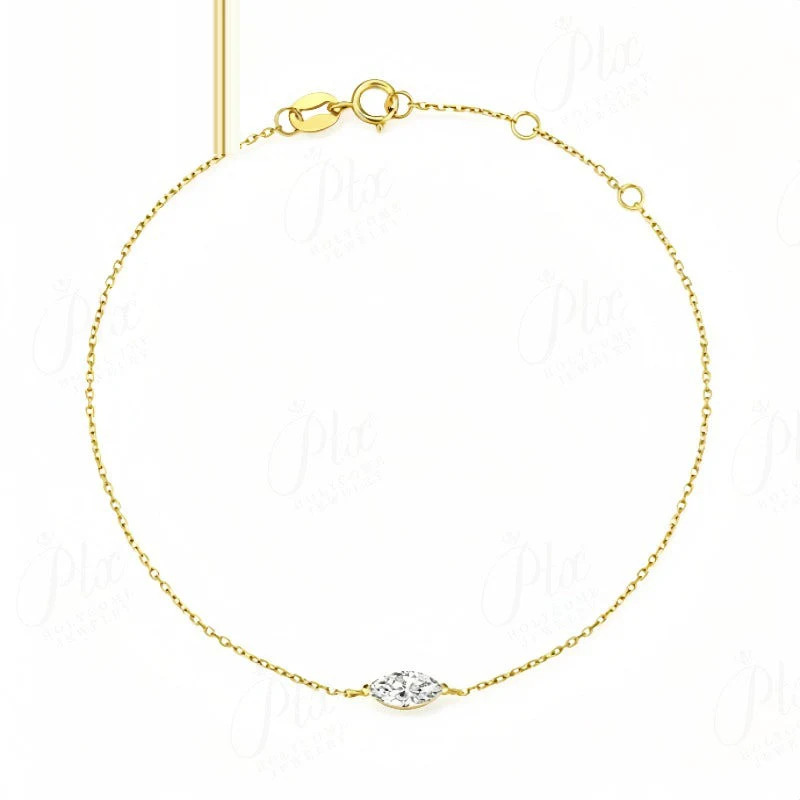
A K gold carton is a launch kit or a box of pieces. The difference is six assets that cost the factory almost nothing and save you weeks on the listing side.
The six assets
Product photos on white, detail shots, a spec sheet, a size chart, care card copy and a listing CSV. On K gold, these are the files that let a buyer publish the same week the carton lands.
Ask for them at the sample stage, not after the PO. A factory that cannot produce a spec sheet cannot produce a consistent lot either.
Compare five cost lines instead of two totals. Metal, stone, labour, finishing and overhead explain a gap that a single number hides.
Packaging that fits the channel
Amazon needs a poly bag with a suffocation warning and a barcode that scans. A boutique needs a box, a pouch and a care card. A private label needs a blank box and your insert.
On K gold, the packaging line is usually 4 to 8 percent of landed cost and a much larger share of the review score.
| Asset | Format | When | Owner |
|---|---|---|---|
| White photos | PNG or JPG | With sample | Factory |
| Detail shots | JPG | With carton | Factory |
| Spec sheet | With sample | Factory | |
| Size chart | PDF or image | With carton | Buyer approves |
| Listing CSV | CSV | With carton | Factory drafts |
| Label file | AI or PDF | Before production | Buyer owns |
Read the table as a checklist rather than a recommendation. The right row depends on the price band, the wear pattern and the channel you sell into.
Put the gram weight per size on the PO, not an average. Cost and feel both follow weight, and an average hides the size that breaks the margin.
Barcodes, labels and the data behind them
Ask for the FNSKU or UPC placement drawing, the carton marking layout and the label text file. A carton that arrives with the wrong label is a week at the warehouse.
Keep the label file under version control. Two suppliers printing two versions is how a listing gets suppressed.
Spec sheet content that prevents disputes
Eight fields: SKU, metal and purity, gram weight, stone type and size, dimensions, plating microns, stamp, and country of origin.
That sheet is the document you send to a customer who asks what the K gold is made of, and it is the document a claim is judged against.
Keep the approved sample and the CAD together. One proves what was agreed, the other proves what was made.
What to check before the order
Run the five checks below in order. The first two protect the money, the last three protect the launch date.
- Ask for the six assets at sample stage.
- Match packaging to the channel requirement.
- Own the label file and version it.
- Put eight fields on the spec sheet.
- Check barcode scannability on the first carton.
If a supplier cannot answer three of the five, treat the quote as a starting point rather than a plan. Ask again in writing and keep the answer with the PO.
Frequently Asked Questions
What should arrive with a K gold order?
Photos, detail shots, a spec sheet, a size chart, care copy and a listing CSV, plus the labels agreed in the PO.
Can the factory design my packaging?
It can produce to your artwork. Design ownership should stay with you, and the dieline file should be yours.
Do I need a barcode on every piece?
For Amazon, yes, on the unit bag. For boutique wholesale, a hangtag SKU is usually enough.
Who pays for the box?
Usually the buyer, quoted as a separate line. Ask for the unit cost at 500 and 2,000 pieces.
What is the most common packaging failure?
A label version mismatch and a box that was sized before the piece. Both are avoidable with a pre-production check.
How many suppliers should I keep?
Two approved sources for the top three designs, one for the tail. The second source is what keeps pricing honest.
Send the K gold SKU list and channel. We return the asset checklist, the packaging quote and a label template you own. See the full range at K Gold and HOLYCOME.
The short version: specify the number, seal the sample, inspect against both. Everything else is negotiation.