Lab diamond necklaces sit in a tricky price band. A delicate pendant can cost as little as a few hundred dollars, while a serious tennis necklace can run into thousands, and most shoppers cannot see why the numbers move so much. If you are a retailer pricing a collection or a customer deciding what to spend, understanding what drives lab diamond necklace cost is the fastest way to buy with confidence. Here is the breakdown of every factor that moves the price tag.
The Single Biggest Factor: Total Carat Weight
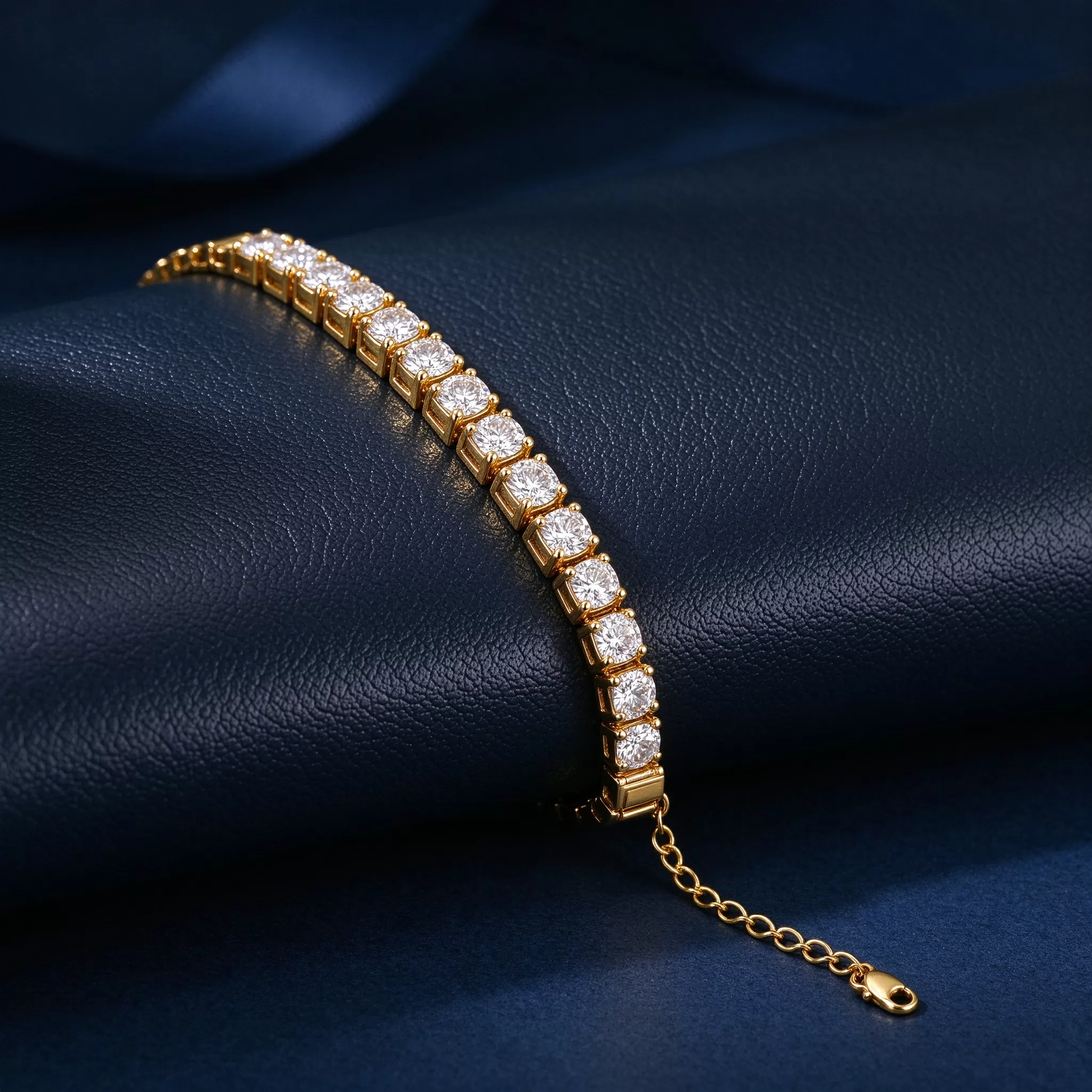
Necklaces differ from rings in one important way: the diamond weight is spread across many small stones rather than concentrated in one center stone. A tennis necklace contains dozens of individually set diamonds, and the total carat weight is the sum of all of them. As total weight rises, price climbs steeply — not linearly, but close to it, because each additional stone must be matched for color and size.
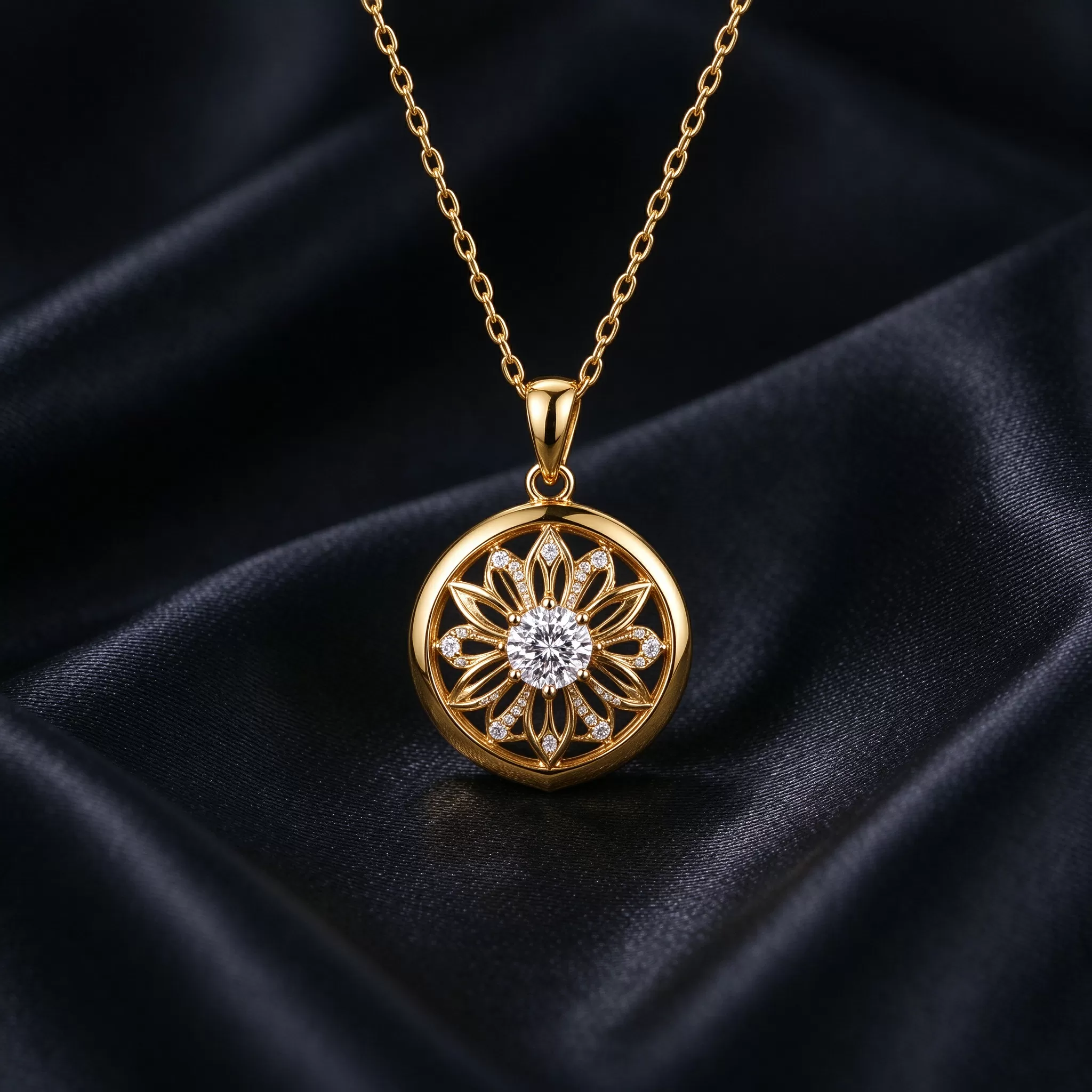
For everyday pendants, the center stone is usually small (0.10 to 0.50 carat), which is why pendants are so affordable. The price jump between a 0.25 carat pendant and a 1.00 carat pendant is far larger than the difference in physical size suggests.

Color and Clarity: Why Matched Stones Matter
A loose lab diamond can be an I color and still look white in a ring, but in a necklace where dozens of stones sit side by side, color differences become visible. Manufacturers must select a matched parcel of stones all within the same color and clarity range. That matching process costs more than buying mismatched singles, and it is why a “D-F color” tennis necklace costs noticeably more than a lower-color one.
For necklaces, most buyers are well served by a near-colorless (G-H) grade. It looks white against skin, and the premium for D-F is rarely visible on a necklace from normal viewing distance.
The Chain Metal Under the Stones
The chain is not a detail — it is a major cost component. A solid 18K gold chain carries real metal weight, and that weight is priced by the gram at daily spot. A platinum chain adds substantially. Sterling silver or gold-plated chains bring the price down but wear faster and can tarnish against skin.
When comparing quotes, always ask whether the price includes the chain and what metal it is. A pendant quoted “stone only” will suddenly look very cheap until you add a proper chain.
Setting Style: Prong, Bezel and Pavé
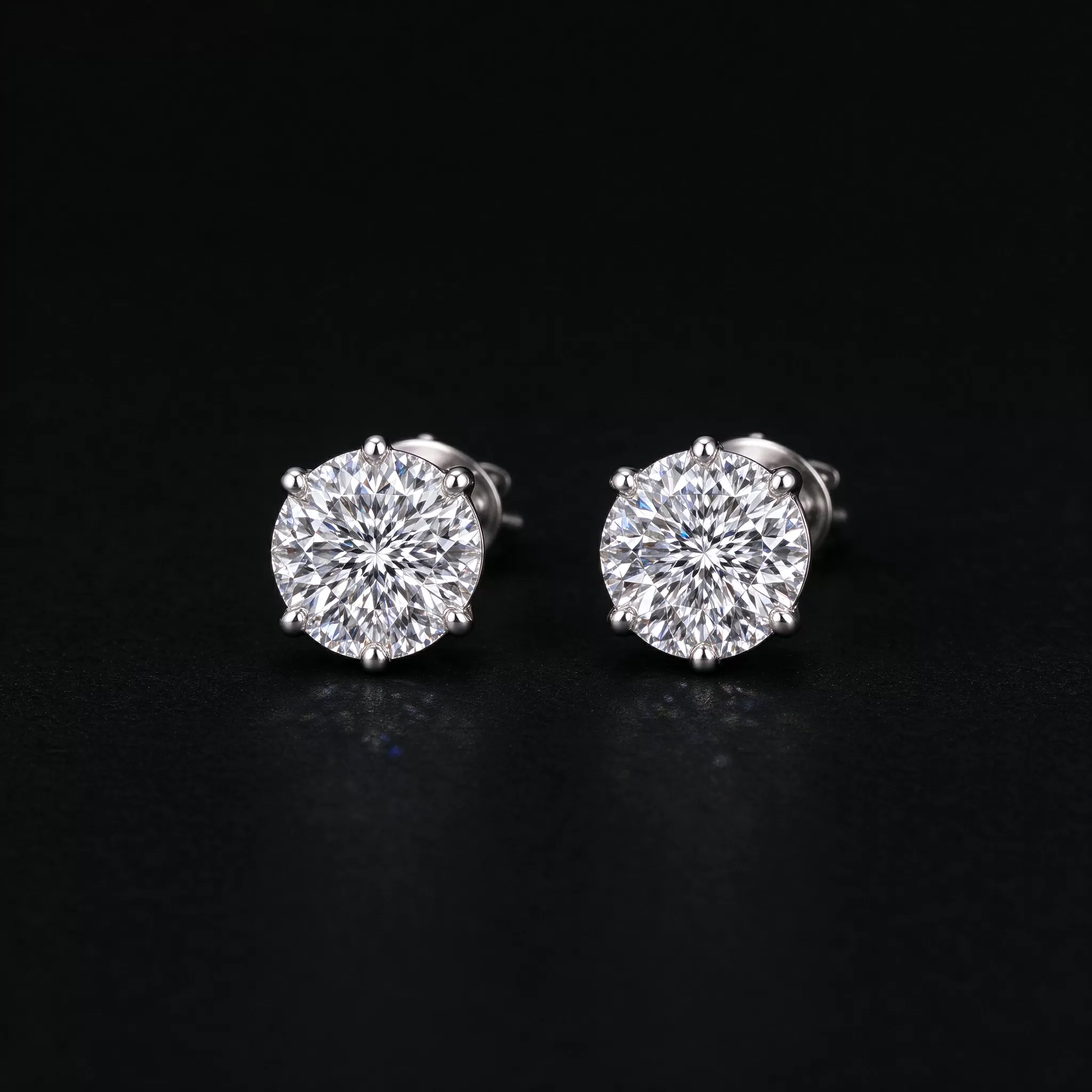
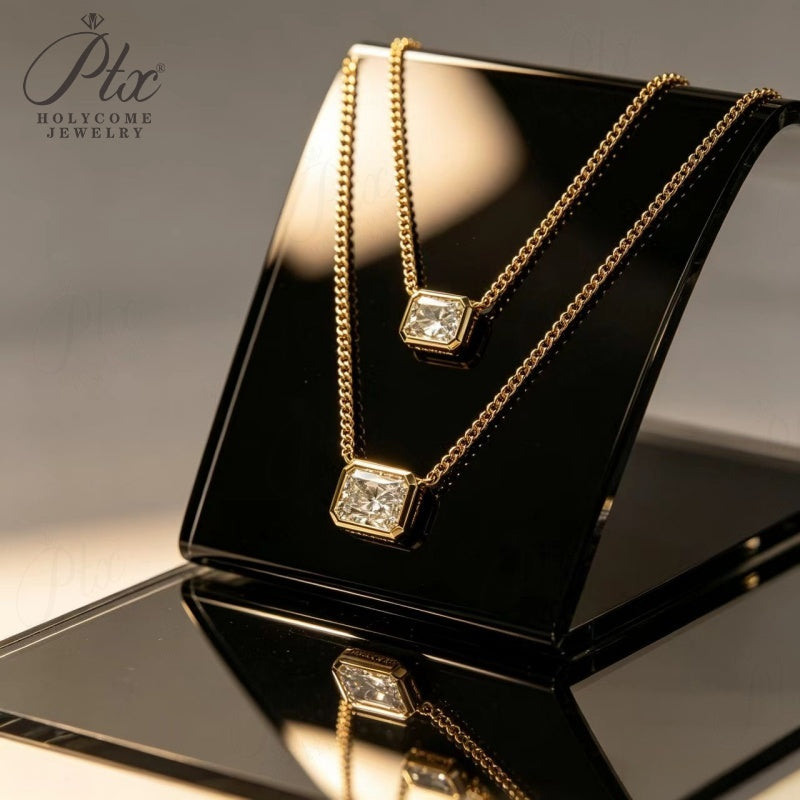
Bezel-set pendants use more metal and protect the stone fully, which raises cost. Pavé and micro-pavé work requires skilled hand setting and adds labor. A simple four-prong solitaire pendant is the most affordable way to showcase a lab diamond because it uses the least metal and the least labor. Our lab diamond necklace range spans every setting style so retailers can price tiers across a single brand story.
What Wholesale Buyers Should Expect
For retailers, the practical question is margin. Lab diamonds already carry more favorable wholesale pricing than mined equivalents, and the margin structure on necklaces is healthy because customers are buying a complete finished piece, not just a loose stone. When you source from a manufacturer directly rather than through layers of distributors, you retain the margin that would otherwise disappear. Our wholesale program publishes transparent pricing by carat band, and our QC standards ensure matched stone parcels arrive consistent order after order.
Frequently Asked Questions
Why is a lab diamond necklace cheaper than a ring of the same carat? Necklaces use many small stones, which cost less per carat than one large stone.
Does a longer chain cost more? The chain length affects metal weight, so longer 18K chains cost slightly more than shorter ones.
Is it worth paying for D-F color? For a single pendant, G-H is plenty. For a tennis necklace, higher color reads more uniformly.
Can I upgrade the diamond later? A pendant setting usually fits one stone size; upgrading means a new setting, so choose your weight carefully.
How Chain Length and Metal Move the Final Price
It is easy to fixate on the diamond and forget the chain, but the chain is a real, separate cost. Because gold is priced by the gram, a longer chain in 18K weighs more and costs more than a shorter one of the same design. A 16-inch cable chain and a 20-inch version of the same necklace may use noticeably different amounts of gold. When comparing quotes, confirm whether the price you are seeing includes a chain, at what length, and in which metal. A “pendant only” price looks cheap until you add a proper 18K chain — at which point the comparison changes completely.
Platinum chains cost more still, and silver or plated chains bring the price down but wear faster. For a necklace marketed as fine jewelry, the chain should match the pendant’s metal and quality; a flimsy chain on a nice pendant undermines the whole piece. When you build a wholesale collection, offer the pendant as a base and the chain as an upgrade so customers can choose their budget, but always show the realistic price of a complete, wearable necklace. Our necklace range prices pendants and chains transparently, and our bulk pricing reflects real metal weight rather than a teaser number.
Where Retailers Should Expect the Best Margin
Necklaces offer a margin advantage over rings because customers are less likely to compare prices granularly. A ring is often cross-shopped intensely; a complete necklace, chosen for how it looks and feels, carries more emotional and styling value. The strongest margins sit in the mid-tier: a 0.25 to 0.50 carat lab diamond pendant on an 18K chain, priced for gifting and self-purchase. This tier is aspirational enough to feel special but accessible enough to sell. Lead with it, and use the smaller solitaire pendants as entry points. Read more about our approach in the wholesale buying guides.
Reading a Necklace Quote the Right Way
When you compare necklace quotes, break them into parts: the center stone, the accent stones, the chain metal and the labor. A quote that seems cheap may exclude the chain, use a plated base, or skimp on stone matching. Ask for the total carat weight, the stone color grade, the chain metal and length, and confirm the clasp type. A transparent quote lists all of these; a vague one hides them in fine print. This habit protects your margin and prevents unhappy customers who expected a complete, finished necklace rather than a loose pendant.