Necklace questions come up over and over in our wholesale inbox. Buyers worry about tangling, loose prongs, whether lab diamonds look real, and how to layer multiple necklaces without a mess. Most of these questions have straightforward answers, and the answers matter because a well-informed customer keeps the necklace for years instead of returning it. Here are the lab diamond necklace questions we hear most, answered plainly.
Do Lab Diamonds Look Different From Mined Ones?
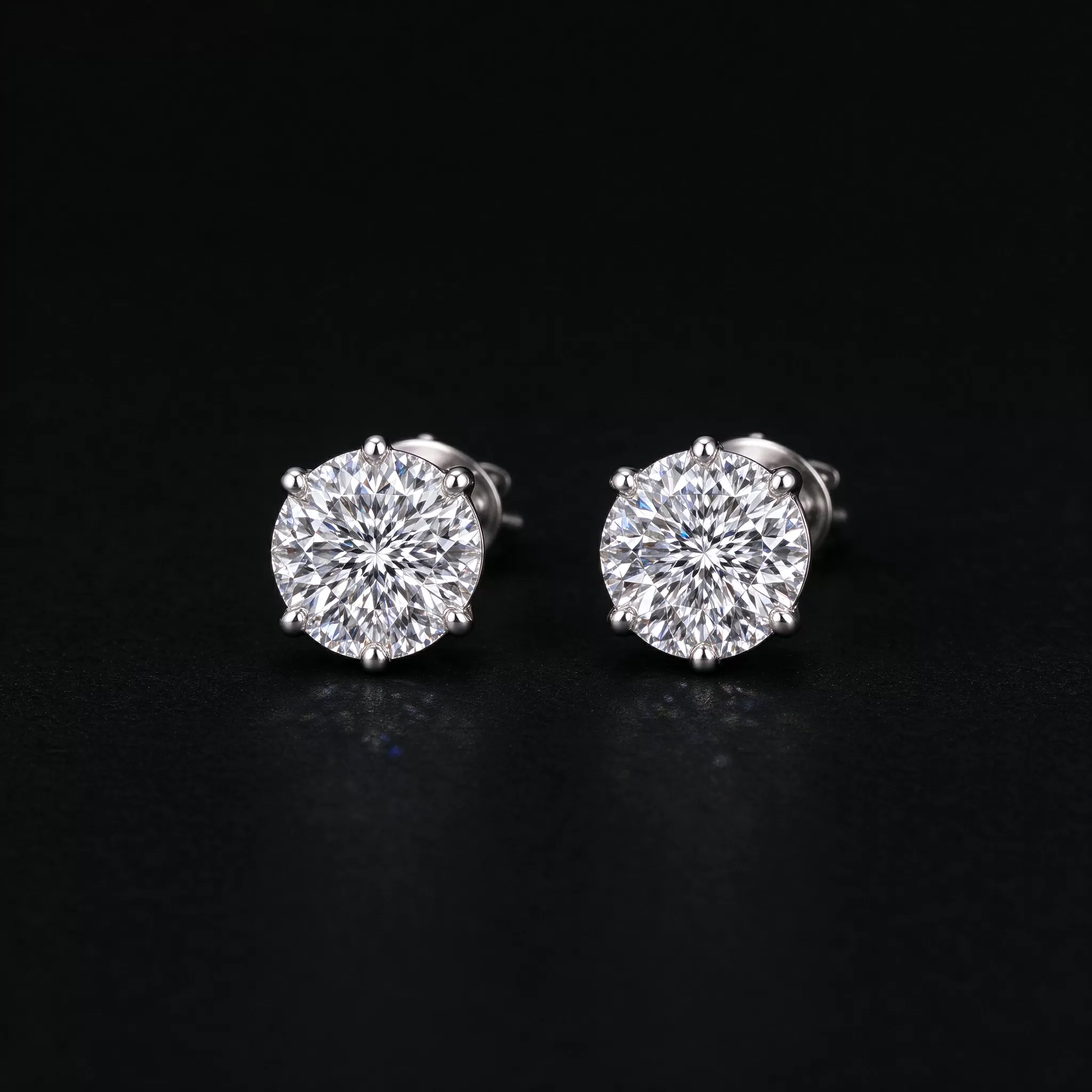
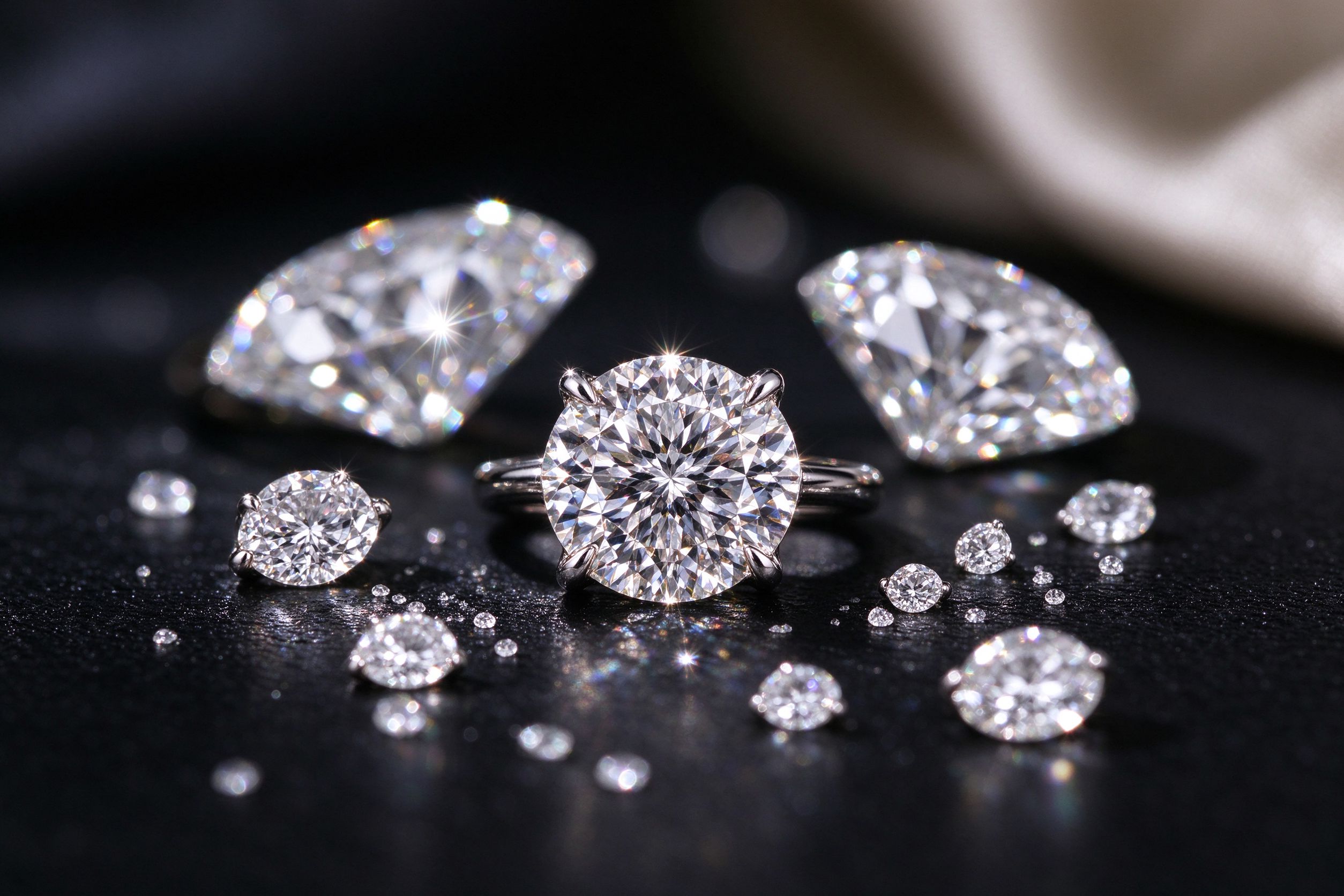
No. A well-cut lab diamond has the same brilliance, fire and scintillation as a mined diamond of the same grade. The difference is in how it was grown, not what it looks like. With the naked eye, even a trained jeweler usually cannot tell them apart. This is why lab diamond necklaces photograph and wear identically to mined versions — the sparkle is the sparkle.
Why Does My Necklace Chain Tangling and How Do I Stop It?
Tangling happens when fine chains twist against each other in motion. The fixes are practical:
- Store chains flat or hung, never knotted in a pile.
- When layering, choose chains of different lengths so pendants do not overlap.
- Use a hand-shaped or snake chain rather than a very delicate cable chain if you twist often.
- Fasten the clasp before putting the necklace on, and unfasten while holding it flat.
A tangle is not damage — it is physics. With a little habit, most people stop fighting their chains within weeks.
What Does It Mean When a Pendant Wobbles or Tugs?
Pendants swing naturally, but a stone that rattles in its setting is a warning. Gently tap the pendant near your ear — a faint click suggests a loose stone. The culprit is usually a worn prong. Over months of daily wear, prongs can catch on hairbrush bristles and sweaters and loosen. This is normal wear, not a flaw, and it is an easy prong-tightening repair. Never keep wearing a pendant with a visibly loose stone; the risk of losing it is real.
Can I Wear a Lab Diamond Necklace Every Day?
Yes. Lab diamonds rate 10 on the Mohs scale, the same as mined diamonds, so they resist scratching and are perfectly suited to daily wear. The weak point is never the stone — it is the chain and the clasp. A fine 18K chain can catch and break, so remove necklaces before sleeping, showering and gym sessions. The diamond itself will outlast the chain several times over.
How Do I Layer Multiple Lab Diamond Necklaces?
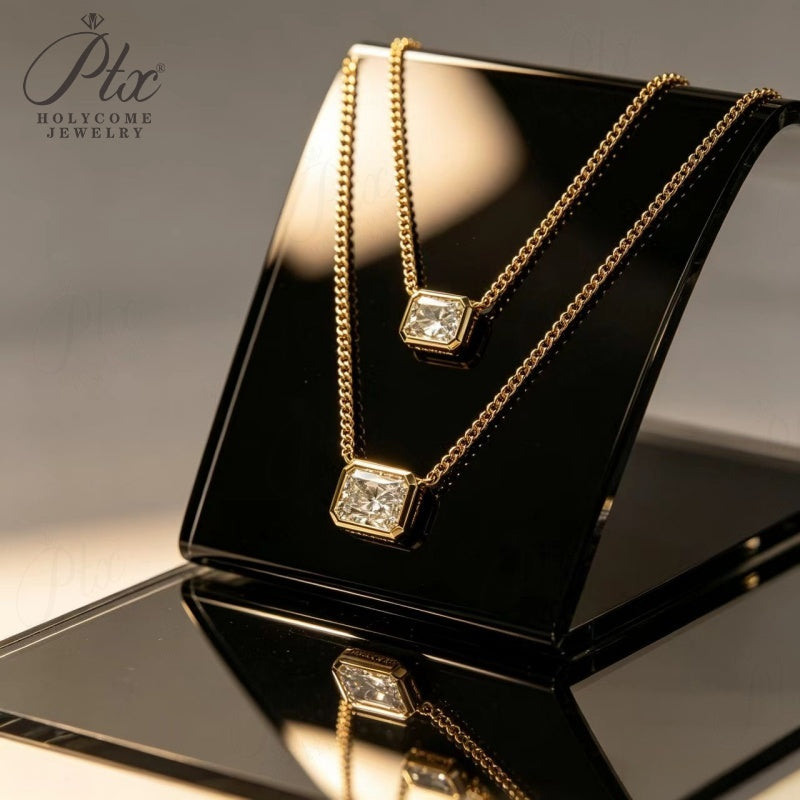
Layering is a styling skill, not a jewelry problem. The formula is spacing: start with a choker-length piece (14 to 16 inches), add a pendant around 18 inches, and finish with a longer station necklace at 22 inches. Keep one piece simple and one detailed so they do not compete. Our necklace collection is built to layer, and we share merchandising tips with wholesale buyers on how to display layered looks.
How Should I Clean a Lab Diamond Necklace?
Warm water, mild soap and a soft brush behind the setting remove the oils that dull diamonds. Avoid ultrasonic cleaners on delicate chains, and never use chlorine. For pendants with a thin chain, hand-washing is safer than any machine. Our broader care guides cover cleaning for every jewelry type.
Quick Answers Summary
Will a lab diamond lose its sparkle? No. Clean it occasionally and it stays brilliant for decades.
Are lab diamonds good value? Yes — typically priced well below mined equivalents for the same visual result.
What if the chain breaks? A jeweler can repair or replace most chains; the diamond pendant itself survives.
Do lab diamonds come with certificates? Reputable pieces include a lab report verifying the stone grade.
How Lab Diamonds Compare to Mined in Real Wear
A question buyers rarely ask but should: does a lab diamond behave differently on the finger or neck? The answer is no. Chemically, optically and physically, a well-grown lab diamond is the same material as a mined one, and it wears identically. It rates 10 on the Mohs scale, resists scratching, and reflects light the same way. The differences are in how it was grown, its price, and its traceability — not in how it looks or survives daily life. This is why a lab diamond necklace can be worn to the office, the gym after hours, and a dinner out, exactly as a mined diamond would.
The one practical difference is value retention. A lab diamond costs far less upfront, and like all finished jewelry it does not resell near retail. That is fine if you buy for beauty and wear, which is how most people buy necklaces anyway. Choose the stone for the look and the budget, not as an investment. Our lab diamond collection and the educational articles in our buying guides explain the comparison in plain terms for your customers.
Cleaning a Necklace Without Tangling It
Cleaning a necklace is where chains tangle, so method matters. Lay the necklace flat on a soft cloth, do not submerse the whole chain in a bowl. Use a soft brush dampened with warm soapy water to gently clean the pendant and behind the setting. Rinse with a damp cloth rather than running the chain under a tap. This keeps the clasp clean without turning the chain into a knot. Once a month is plenty; over-cleaning with chemicals strips the metal. Store it flat or hung, never balled up. These habits keep the pendant bright and the chain tangle-free for years.
Are Lab Diamonds a Good Long-Term Choice?
Yes. A well-grown lab diamond is chemically and optically identical to a mined diamond and wears the same way for decades. It rates 10 on the Mohs scale, so it resists scratches and keeps its brilliance with occasional cleaning. The practical difference is price and traceability, not durability. A lab diamond necklace is made for daily wear, not for investment. Buy it because you love how it looks and feels, and it will serve you beautifully. We provide grading certificates with every piece so the quality is documented.
If you still have a specific question about a lab diamond necklace, our team is happy to walk you through it. Whether you are choosing a first pendant, replacing a chain, or styling a layered look, the right answer depends on how you plan to wear the piece. A little guidance before buying prevents regret later, and it helps you get the most brilliance and wear from your necklace for years to come.