One of the first decisions a new moissanite reseller faces is also one of the most consequential: do you buy loose stones and set them yourself, or do you buy finished rings ready to sell? The answer is not universal, and most successful retailers eventually run a blended mix. The useful way to decide is to price out both paths against your own operation.
What buying loose moissanite actually costs you
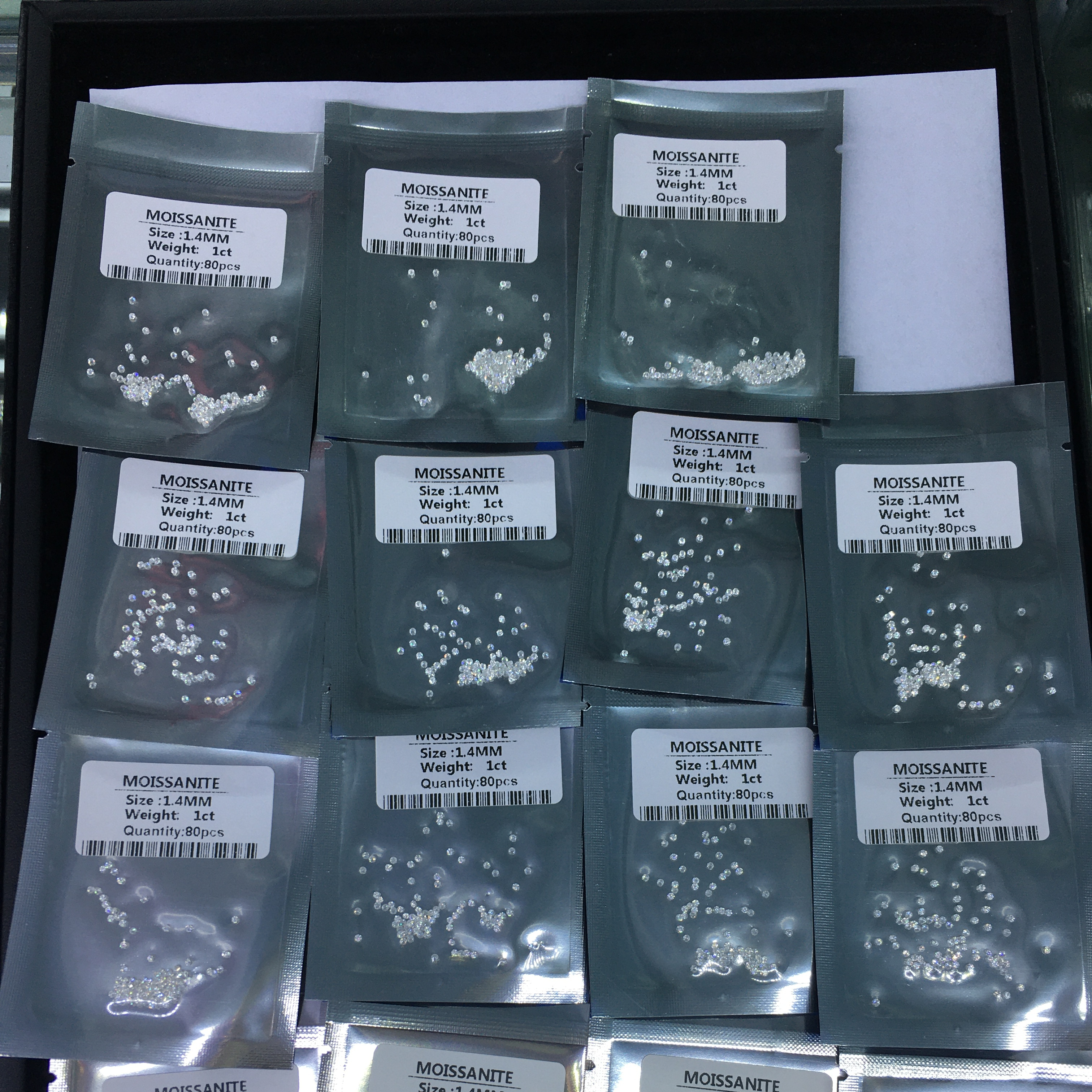
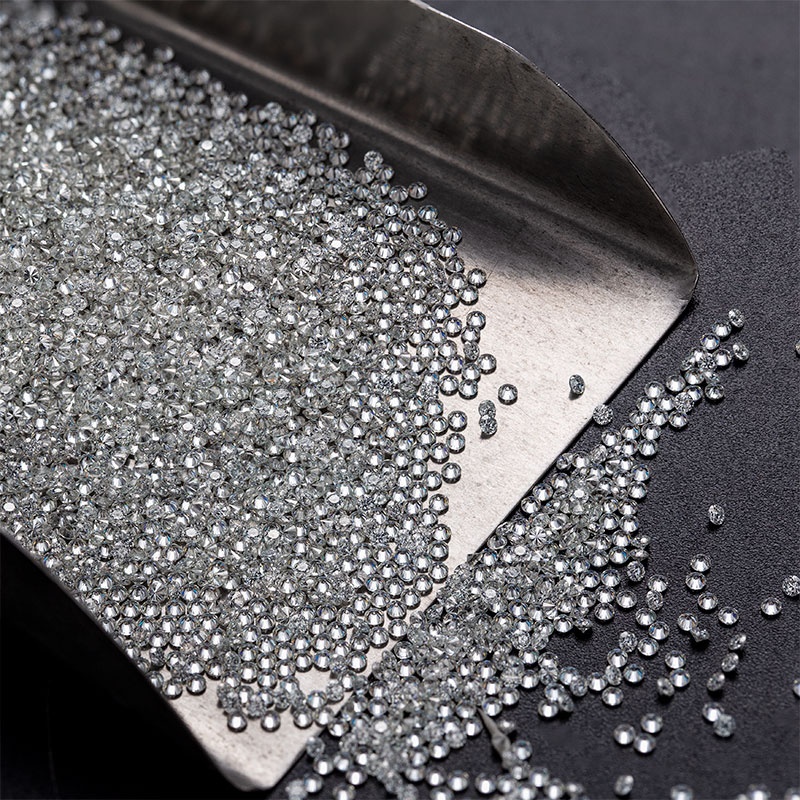
Loose stones are cheaper per carat equivalent than finished jewelry, and they give you the widest design freedom. You can pair a customer's chosen oval with a vintage-style mounting, source a matching pair of stud earrings, or build a custom wedding set. That flexibility is the whole point.
But the stone is only the start of the cost. You also need a mounting, a setter, labor for sizing and finishing, packaging, and time. If you do not have a bench jeweler on staff, you are outsourcing setting anyway, which erases much of the price advantage. Loose buying makes the most sense when you already have setting capability, a steady custom workflow, or a strong relationship with a local bench.
What finished rings save you
Finished, ready-to-sell rings arrive inspected, set, polished, and hallmarked. You can price them, photograph them, and put them on the floor the same week. For a store that wants fast turnover on bridal basics, that speed is worth real money. Finished stock also removes setting-quality risk: a loose stone set poorly becomes a warranty claim, and a finished ring that arrives well-set is a known quantity you can reorder.
The tradeoff is lower per-unit margin and less differentiation. Because many retailers buy the same popular SKUs, finished bridal rings can become a price-competed category. You compensate with presentation, service, and a tightly edited selection rather than with exclusivity.
Compare the true landed cost
Before committing, run the numbers both ways for a representative piece, say a 1-carat-equivalent D-F solitaire.
- Loose path: stone cost + mounting cost + setting labor + finishing + packaging + your time.
- Finished path: wholesale unit price + shipping + your markup over a known cost.
Wholesale moissanite pricing is typically a small fraction of comparable lab-grown diamond pricing, which is the reason the category exists for retailers at all. But margin is a function of what you sell it for, not what you pay. Compare the final retail price your market will bear against both cost paths before you decide which way to lean.
A practical blended plan
Most mature retailers stock 70 to 80 percent finished stock for the bread-and-butter bridal and gifting pieces that move quickly, and reserve the remaining budget for loose stones that feed custom and made-to-order work. The finished stock keeps cash turning; the loose stones let you quote the one-of-one request that a catalog cannot answer. If custom work is new to you, our guide to custom engagement ring trends shows what buyers are asking for, and our piece on common moissanite settings helps you match stones to mountings.
Watch the consistency risk
Whether you buy loose or finished, the recurring risk is grade consistency across reorders. A beautiful sample does not guarantee that your tenth reorder arrives at the same color and clarity. Inspect every batch against the original sample you approved, and keep a reference photo of the approved stone. The retailers who last are the ones who treat their first order as a benchmark they can return to, not a one-off transaction.
Factor in your customer promise
Your sourcing (FTC jewelry industry guides) choice also shapes what you can promise at the counter. If you sell finished rings, you can quote a ready-to-wear piece in minutes and hand it over the same day. If you sell loose-set custom work, you are selling a timeline of one to three weeks. Both are valid, but they attract different buyers and require different sales language. A store that advertises instant bridal delivery cannot quietly pivot to made-to-order and expect the same conversion rate. Decide which promise you want to make, then source to match it.
Remember the cash-flow difference
Loose stones tie up less cash per unit, but they sit as inventory until a customer orders. Finished rings cost more up front but can be sold the week they arrive. For a young store, cash flow often decides the answer more than margin does. A store that cannot wait three weeks for a custom order should lean finished. A store with a steady bridal bench and working capital can use loose stones to build a premium custom offering that no local competitor matches. Run both numbers on a cash basis, not just a margin basis, and the choice usually clarifies itself.
There is no universally correct answer. There is only the answer that matches your bench, your customer mix, and your cash flow. Price both paths, test a small run of each, and let your sell-through tell you where to concentrate next season.
For third-party reference, the Wikipedia article on moissanite details moissanite’s discovery, optical properties and use in jewellery.
Related reading: Buying Lab Diamond Necklaces Wholesale: A Retailer's Sourcing Guide, Wholesale Luxury Earrings: A Retailer's Sourcing and Buying Guide, Sourcing 18K Gold Moissanite Rings Wholesale: What to Check.
Frequently Asked Questions
Is moissanite a good diamond alternative for retail buyers?
Yes for price-sensitive customers who want brilliance and hardness. Moissanite ranks 9.25 on the Mohs scale, holds up to daily wear and costs a fraction of a natural diamond of the same size, so it resells fast in bridal and fashion lines.
What is the minimum order for wholesale moissanite?
MOQ starts at 50 pieces per design for stock items. Custom cuts and private-label settings usually start at 100–300 pieces depending on the mold.
Do you provide certificates with moissanite stones?
Yes. Every parcel ships with GRA or IGI documentation listing carat weight, color grade and cut. We recommend passing the certificate to your end customer for trust.
How long does sample and bulk production take?
Samples ship in 3–5 days. Bulk runs take 15–20 days under 500 pieces, and 25–30 days for custom work.