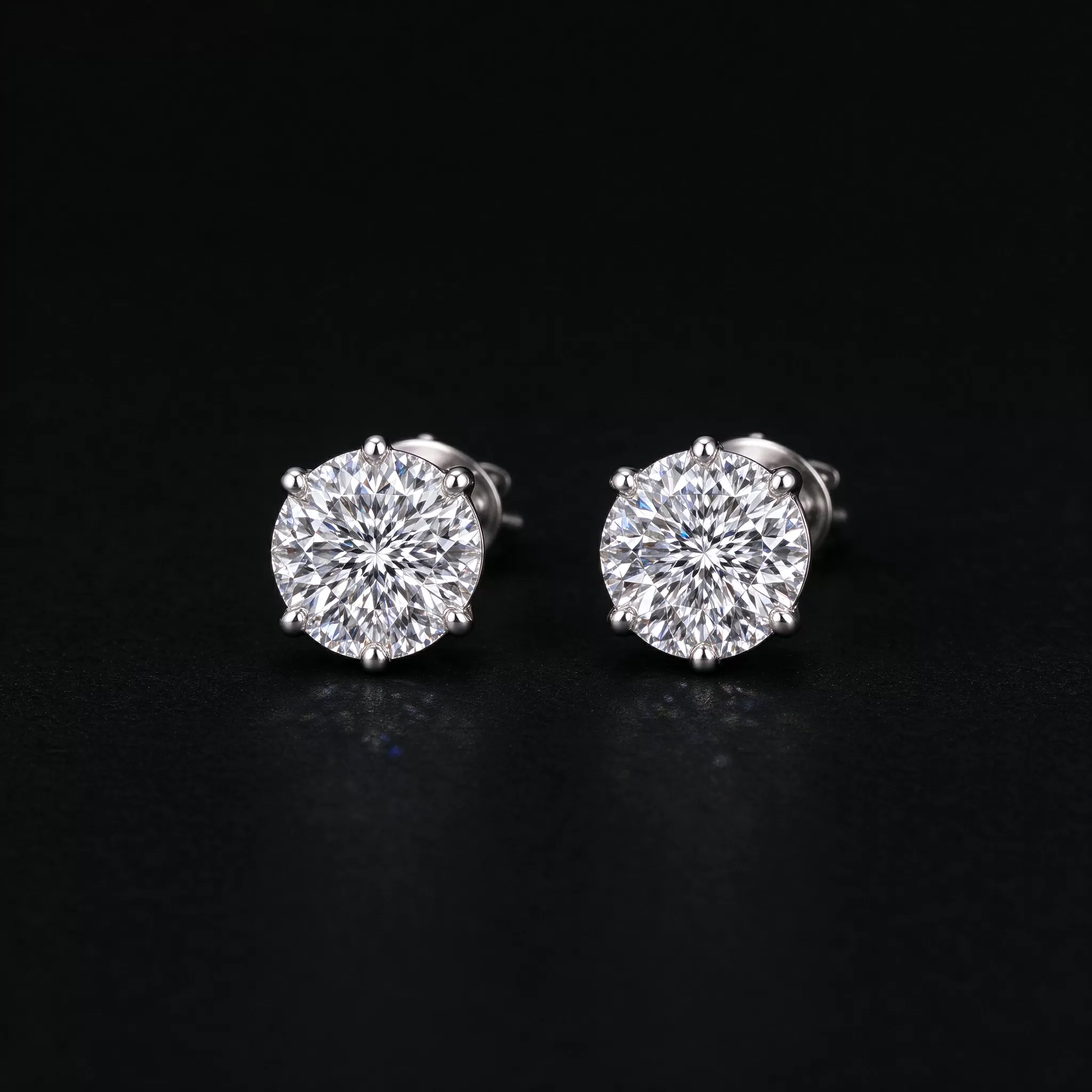
Earrings are the jewelry people wear most often and think about least. They go on in seconds, get knocked by phone calls, caught in hairbrushes and slept in by accident. Over a year, that quiet wear adds up: posts bend, backs loosen, diamonds wobble and gold dulls. A few minutes of routine care keeps luxury earrings looking new and, more importantly, keeps the stones where they belong. Here is the care routine we recommend to every customer and retail partner.
The Parts That Actually Wear Out
Unlike a ring, an earring has moving and flexible parts. Three components take the punishment:
- The post — a thin wire that bends if twisted or slept on.
- The back — butterfly or clutch backs loosen over time and can slip off.
- The hinge or lever — on hoops and drops, the closure wears and can gap.
The diamond or gemstone itself rarely fails. It is the hardware around it that needs attention.

Cleaning Earrings Without Losing Stones
Earring backs trap oil, skin products and earwax against the post, which is why earrings can look dull even when the diamond is clean. Remove the backs and soak the posts and fronts in warm, soapy water for a few minutes. Use a soft brush to clean behind the setting and around the post, then rinse carefully over a bowl — never over an open drain, because a small earring can vanish in seconds.
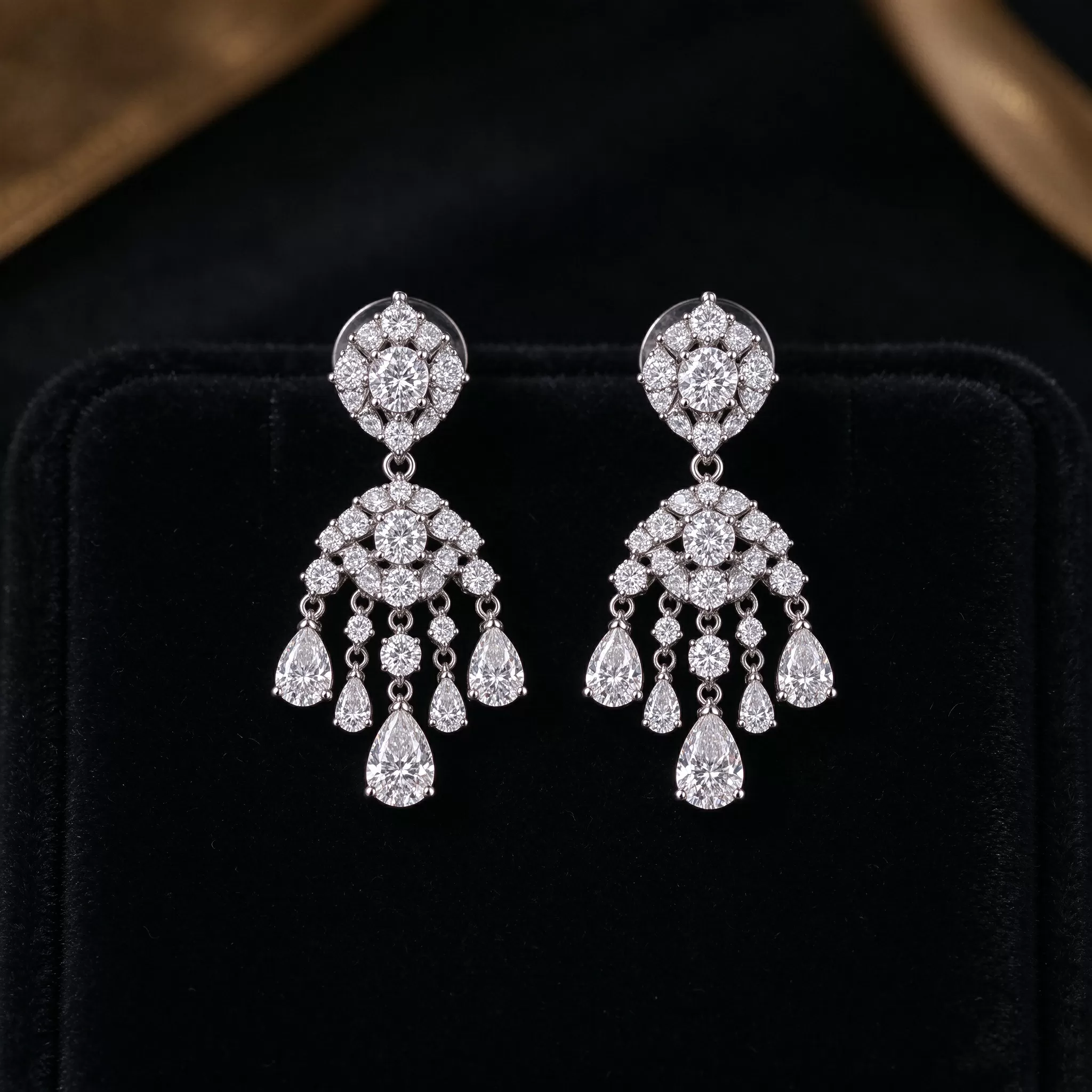
For drops and chandeliers, avoid soaking moving hinges. Wipe them with a damp cloth instead, because water inside a hinge can cause slow corrosion. Our luxury earring range uses secure, well-finished settings, but even the best setting benefits from gentle cleaning.
When to Replace Your Earring Backs
Most people never think about earring backs until they lose an earring. Butterfly backs loosen after months of use because the tension springs inside stretch. If a back slides on and off the post with almost no resistance, it is time to replace it. Swap in a fresh pair of friction backs, or upgrade to screw backs for expensive studs. This tiny, cheap part is the difference between keeping and losing a five-figure earring.
Storage: Keep Pairs Together and Stones Safe
Earrings scratch each other when they jingle loose in a box. Use a divided earring tray with individual slots, or keep each pair in its own pouch. Never toss studs into a dish with rings — harder stones on other pieces will scratch the gold. For travel, a dedicated earring organizer that pins pairs in place prevents the heartbreak of discovering only one stud after a trip.
Signs an Earring Needs a Jeweler
Some issues are beyond home care. Bring earrings to a bench when:
- A diamond rattles or shifts in its setting.
- A post is visibly bent and will not sit straight.
- A hoop hinge gaps or will not click shut.
- White gold has yellowed and needs replating.
For retailers, teaching customers these habits reduces loss complaints and builds trust. We provide care guidance and inspection standards to our wholesale partners, and our QC process checks every pair before shipment so customers start with perfectly straight posts and snug backs.
Frequently Asked Questions
Can I sleep in my earrings? For studs, occasionally is fine, but sleeping on hoops or drops can bend posts and irritate skin.
How often should I clean earrings? Every two to three weeks for daily wear; more if you use hairspray or perfume near them.
Are screw backs worth it? For high-value studs, yes — they cannot slip off accidentally.
Why do my ears feel irritated? Often the back, not the post, reacts. Switch to hypoallergenic backs and keep posts clean.
Why Posts Bend and How to Prevent It
Earring posts bend for one main reason: leverage. A long dangling earring acts as a lever on a thin post, and any sideways pressure — a hug, a turtleneck pulled over the head, sleeping on the ear — twists the post. Once bent, a post no longer sits straight, and the earring tilts. The prevention is simple: take off drop and chandelier earrings before putting on and removing tight clothing, and never sleep in large drops. For everyday studs, the risk is far lower, but even they can bend if you sleep on them or catch them on a face mask or headphone band repeatedly.
If a post does bend, do not try to straighten it yourself with pliers — you will snap or scratch it. A jeweler can realign a post quickly and cheaply. For valuable drops, consider screw backs, which hold the earring more firmly than butterfly backs and reduce the leverage that causes bending in the first place. Our luxury earring range uses straight, well-finished posts, and we advise retail partners on the right back type for each earring style.
Cleaning Behind the Setting Where Oil Hides
The dullness on diamond earrings almost always hides behind the setting, not on the face of the stone. Skin oils, lotion and ear wax build up where the post meets the back, blocking light from entering the diamond. To clean it, remove the back, dab a soft brush in warm soapy water, and gently brush around the basket behind the stone. Rinse with a damp cloth. Do this every two to three weeks for daily wear and the diamond will look far brighter without any other treatment. This one habit solves most “my earrings look dull” complaints. We include this tip on care cards for our private label clients.
When Earrings Should Come Out
Some situations are hard on earrings. Take drops and hoops out before sleeping, before swimming, and before vigorous exercise. Keep them out of the way when you apply perfume, hairspray or lotion, because these products film up the setting. Studs can stay in more easily, but even they should be removed for showering occasionally so you can clean behind the post. Knowing when to take earrings off prevents bent posts, loose stones and dull settings. A few seconds of caution protects pieces that often carry real sentimental and monetary value.
Good earring care is mostly about habit: fresh backs, gentle cleaning, and knowing when to take the pieces out. These small habits prevent bent posts, loose stones and dull settings. Teach them to your customers and they will keep their earrings beautiful for years, which means fewer complaints and more repeat purchases. We supply care cards and guidance to retail partners who want their jewelry to last as long as the memories attached to it.