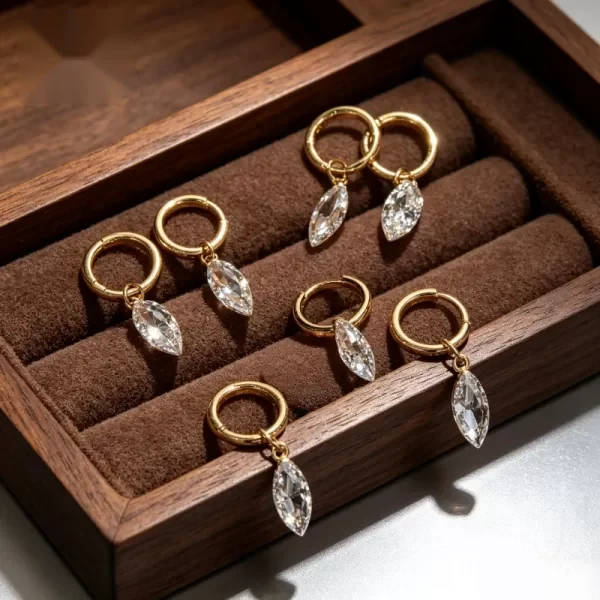
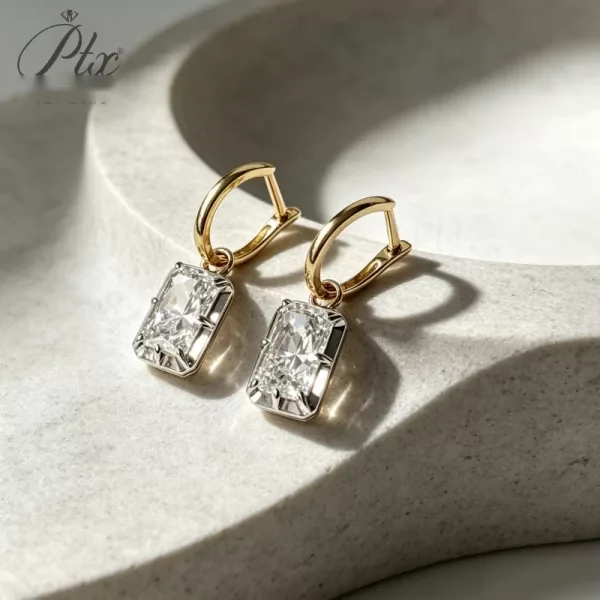
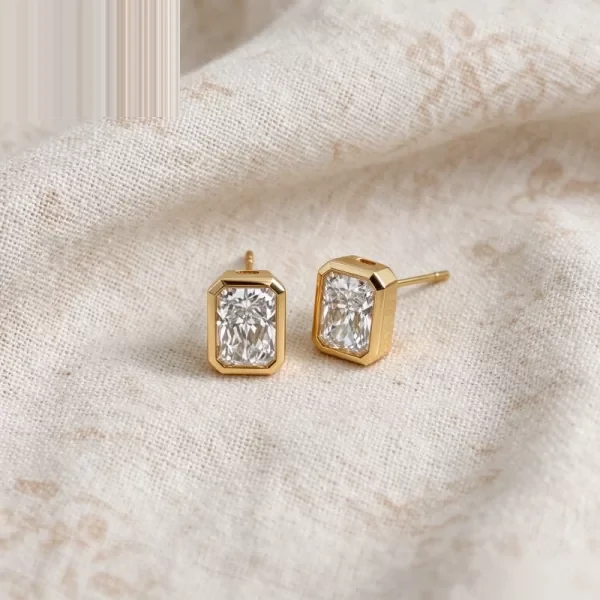
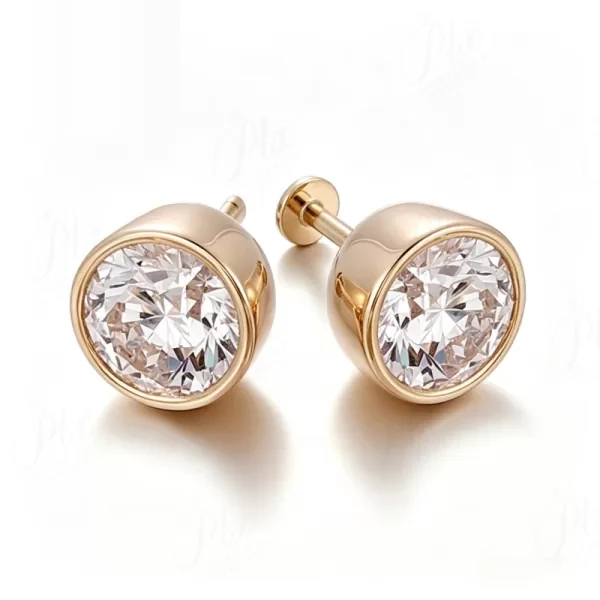
Plating is the cheapest line on a luxury earrings quote and the most expensive to get wrong. A 0.3 micron difference decides whether a piece survives a season or comes back as a tarnish complaint.
What the micron number means
Plating thickness is measured in microns, one thousandth of a millimetre. On luxury earrings, 0.3 micron is a fashion finish, 0.5 is a season, 0.8 to 1.0 is daily wear, and 1.5 and above is the jewelry standard for a plated piece sold as long-wear.
Ask for the number per finish, not per factory. Rhodium, gold tone and e-coat have different targets.
Photograph the first article before the batch runs. A shifted seat or a short prong is cheapest to fix at one piece.
The four failure modes
First, tarnish at the contact points: the shank inner face, the clasp and the ear post. Second, plate skip at the prong tips. Third, colour drift between lots. Fourth, blistering after the e-coat.
Each has a cause: insufficient thickness, poor pre-plate cleaning, bath chemistry drift, or cure temperature. A luxury earrings claim sheet should name the cause, not just the defect.
| Finish | Thickness | Expected life | Use |
|---|---|---|---|
| Rhodium, thin | 0.3 micron | One season | Fashion |
| Rhodium, standard | 0.8 micron | Daily, 12+ months | Core line |
| Gold tone | 0.5-1.0 micron | Season to daily | Core line |
| E-coat over plate | +2-3 micron | Tarnish barrier | Humid markets |
Read the table as a checklist rather than a recommendation. The right row depends on the price band, the wear pattern and the channel you sell into.
Compare five cost lines instead of two totals. Metal, stone, labour, finishing and overhead explain a gap that a single number hides.
Specifying plating in the PO
Write four lines: base metal preparation, plating type, thickness in microns, and the wear test. Add the salt-spray or wear-hour standard you will accept.
Then test the first lot: rub the contact points with a cloth for 30 seconds and check for colour transfer. A simple test catches most thin-plate lots.
Repair and replating policy
Plated goods need a replating path. Ask whether the factory will replate a returned piece and at what cost. A supplier with no replating service leaves you to absorb the return.
For luxury earrings at volume, a replating agreement is worth more than a 3 percent price concession.
Price moves with three inputs: alloy, stone and plating. A quote that holds for ninety days is a quote that has priced those three honestly.
What to check before the order
Run the five checks below in order. The first two protect the money, the last three protect the launch date.
- Ask for microns per finish, not a trade name.
- Test contact points on the first lot.
- Write the wear standard into the PO.
- Agree a replating path and price.
- Check colour drift against the approved sample.
If a supplier cannot answer three of the five, treat the quote as a starting point rather than a plan. Ask again in writing and keep the answer with the PO.
Frequently Asked Questions
How thick should luxury earrings plating be?
0.8 micron rhodium for daily wear, 0.5 for a seasonal line, 1.0 or more for long-wear claims.
Why does plating wear at the shank first?
It is the contact point with skin and other rings. Thickness and pre-plate cleaning decide how long it lasts.
Can plating be reapplied?
Yes, if the base metal is clean. Ask for the replating cost and turnaround before you need it.
Does e-coat change the colour?
It can add a slight warmth. Ask for a coated sample before approving the colour.
Is thicker plating always better?
Up to a point. Too thick a plate can look heavy and can crack at the prong tips if the deposit is stressed.
How do I compare two quotes for this item?
Split both into metal, stone, labour, finishing and overhead, then compare line by line. A single total hides the specification difference.
Send the luxury earrings finish requirement. We return the micron spec per finish, the wear test standard and the replating terms. See the full range at Luxury Earrings and HOLYCOME.
None of this is exotic. It is a document, a measurement and a date, repeated until it becomes a process.