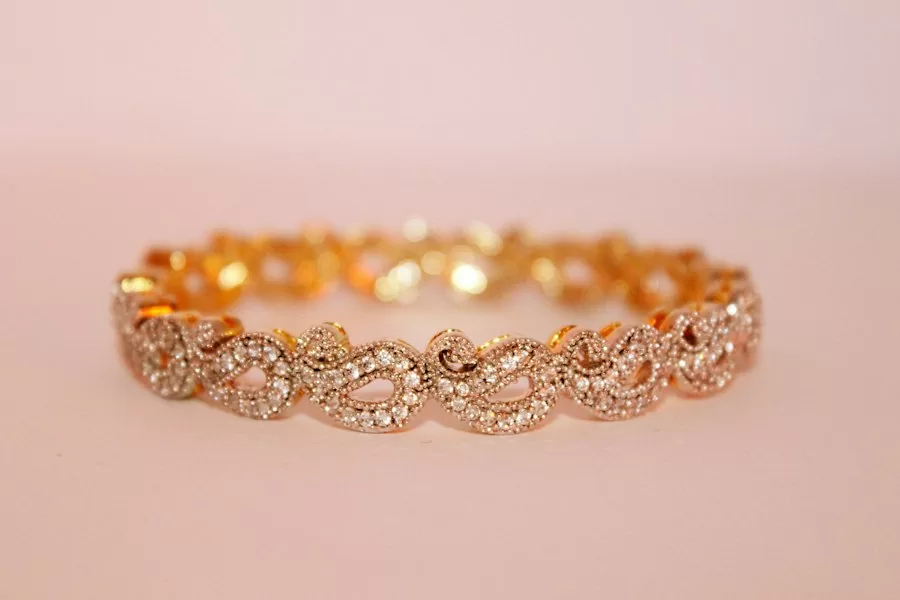
The most profitable sale in a jewelry store is rarely the ring. It is the thirty-dollar add-on the customer says yes to at the counter. Of all the add-ons available, a branded moissanite cleaning kit is the easiest to sell, the cheapest to source, and the one the customer actually uses. Run it as a standard part of the sale, not as an afterthought.
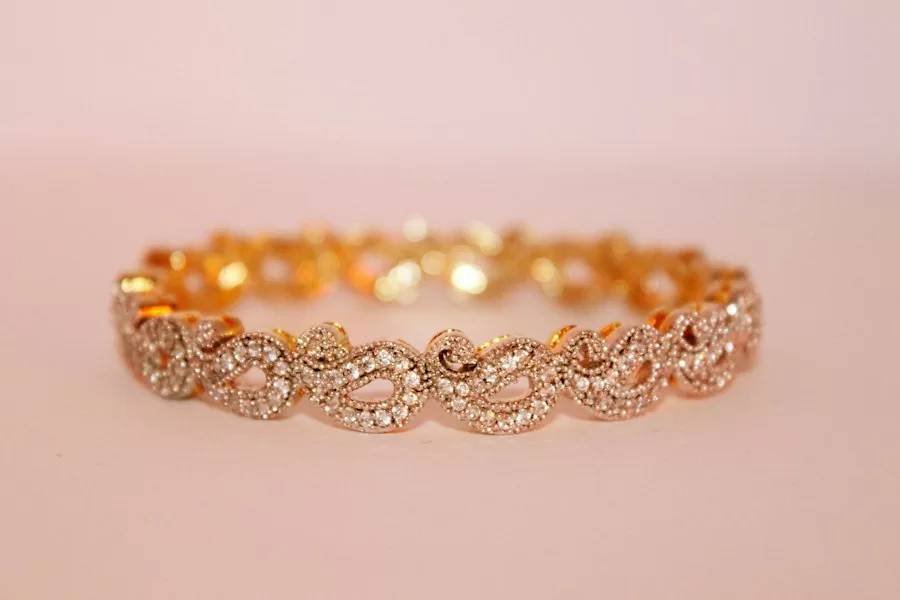
The logic is simple. A moissanite ring stays brilliant when the band and the prongs stay clean. Soap, lotion, and skin oils build up under the stone, dulling the sparkle faster than the stone itself ever wears. A customer who owns a cheap cloth and a gentle solution keeps the ring looking like new, which means she is still showing it off, which means she is still your best referral source. The kit pays for itself in the referrals it generates.
What goes in the kit
You do not need a pharmacy counter of products. A practical kit has four pieces: a small jar of gentle jewelry cleaning solution, a soft-bristled brush, a lint-free polishing cloth, and a printed care card. That is enough to handle ninety-five percent of home maintenance. Avoid adding dips or ultrasonic solutions to a retail kit; those are for the bench, not the kitchen sink.
Print your shop name and phone number on the cloth and the card. Every time the customer cleans the ring, she touches your brand. That is worth more than any email campaign you can send.
Pricing and margin
A basic kit assembled in-house costs a few dollars in materials and retails for fifteen to thirty dollars. The margin is excellent, but the bigger win is that the kit gives the salesperson a reason to extend the conversation at the moment of purchase. A customer who has just spent eight hundred dollars on a ring will not blink at a twenty-dollar kit that protects it.
Train the staff script. The line is not whether you want a cleaning kit. It is most of our customers pick up a care kit so the ring stays this bright; it is twenty dollars and includes a cloth and solution. Frame it as the normal thing buyers do, not as an optional upsell. The yes-rate jumps.
Display it where the buyer sees it
Keep a small stack of kits on the counter where the customer signs the receipt. If the kit only lives on a back shelf, it does not sell. A visible, labeled stack at the register, next to the ring box, gives the staff member a natural reason to mention it. Pair the display with a one-line sign that says keep the sparkle so the idea is already in the buyer head before the script begins.
The kit is a marketing tool, not just a product
Customers who use the kit bring the ring back to your shop for the free annual cleaning you promised on the card. That return visit is where wedding bands, anniversary pendants, and birthday gifts get sold. The twenty-dollar kit quietly funds that relationship.
What not to put in a retail cleaning kit
It is tempting to pack a kit with every product on your supply shelf, but a retail home kit should stay simple. Avoid adding ultrasonic solution, dips, or any chemical that requires gloves. A customer who uses a dip on a gold vermeil piece or on a stone with a coating can cause damage you will hear about later. The home kit is for gentle upkeep, not for deep restoration.
Also avoid scented or colored solutions. A customer does not need the cleaner to smell like lemon. Fragrances leave residues, and the buyer wants the kit to feel clinical and trustworthy, not gimmicky.
Finally, print a one-line warning on the card: remove jewelry before heavy hand work, gardening, or applying lotion. That single instruction prevents more customer damage than any product in the kit. It also positions your shop as careful and knowledgeable, which is exactly the feeling that makes a customer choose you for the next purchase.
Track the add-on rate over three months. If fewer than a third of ring buyers take the kit, the script or the display is not working, not the idea itself. Try moving the stack closer to the receipt printer, or train one staff member to run the add-on pitch for a week and compare the numbers. Small changes to the script usually move the rate within a fortnight.
For the cleaning protocol your staff should teach customers, read professional moissanite cleaning and steam use, and build the kit script into the broader aftercare training covered in moissanite after-sales care: train your staff. Done consistently, the add-on becomes a quiet second revenue line that never requires a single new customer.
Independent background on moissanite — how its hardness and refractive index compare with diamond — is documented in the Wikipedia article on moissanite.
Related reading: How a Moissanite Bridal Gift Registry Drives Repeat Retail Sales, Moissanite Retail Sales: Handling the Toughest Customer Objections, What Retail Customers Are Actually Buying in Moissanite in 2026.
Frequently Asked Questions
Is moissanite a good diamond alternative for retail buyers?
Yes for price-sensitive customers who want brilliance and hardness. Moissanite ranks 9.25 on the Mohs scale, holds up to daily wear and costs a fraction of a natural diamond of the same size, so it resells fast in bridal and fashion lines.
What is the minimum order for wholesale moissanite?
MOQ starts at 50 pieces per design for stock items. Custom cuts and private-label settings usually start at 100–300 pieces depending on the mold.
Do you provide certificates with moissanite stones?
Yes. Every parcel ships with GRA or IGI documentation listing carat weight, color grade and cut. We recommend passing the certificate to your end customer for trust.
How long does sample and bulk production take?
Samples ship in 3–5 days. Bulk runs take 15–20 days under 500 pieces, and 25–30 days for custom work.




