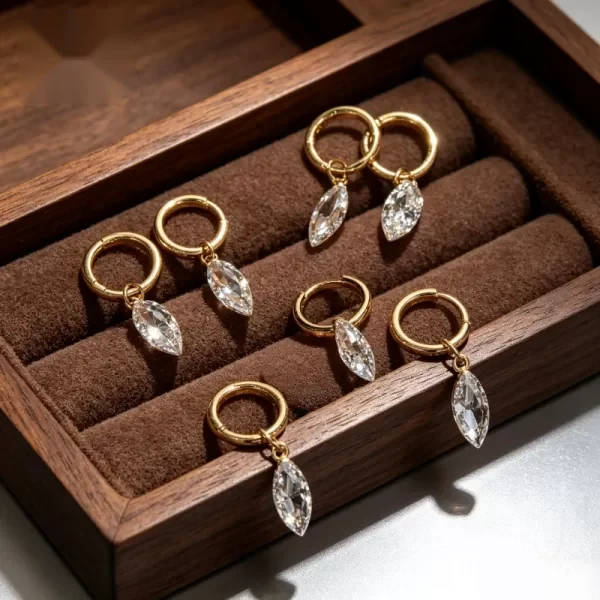
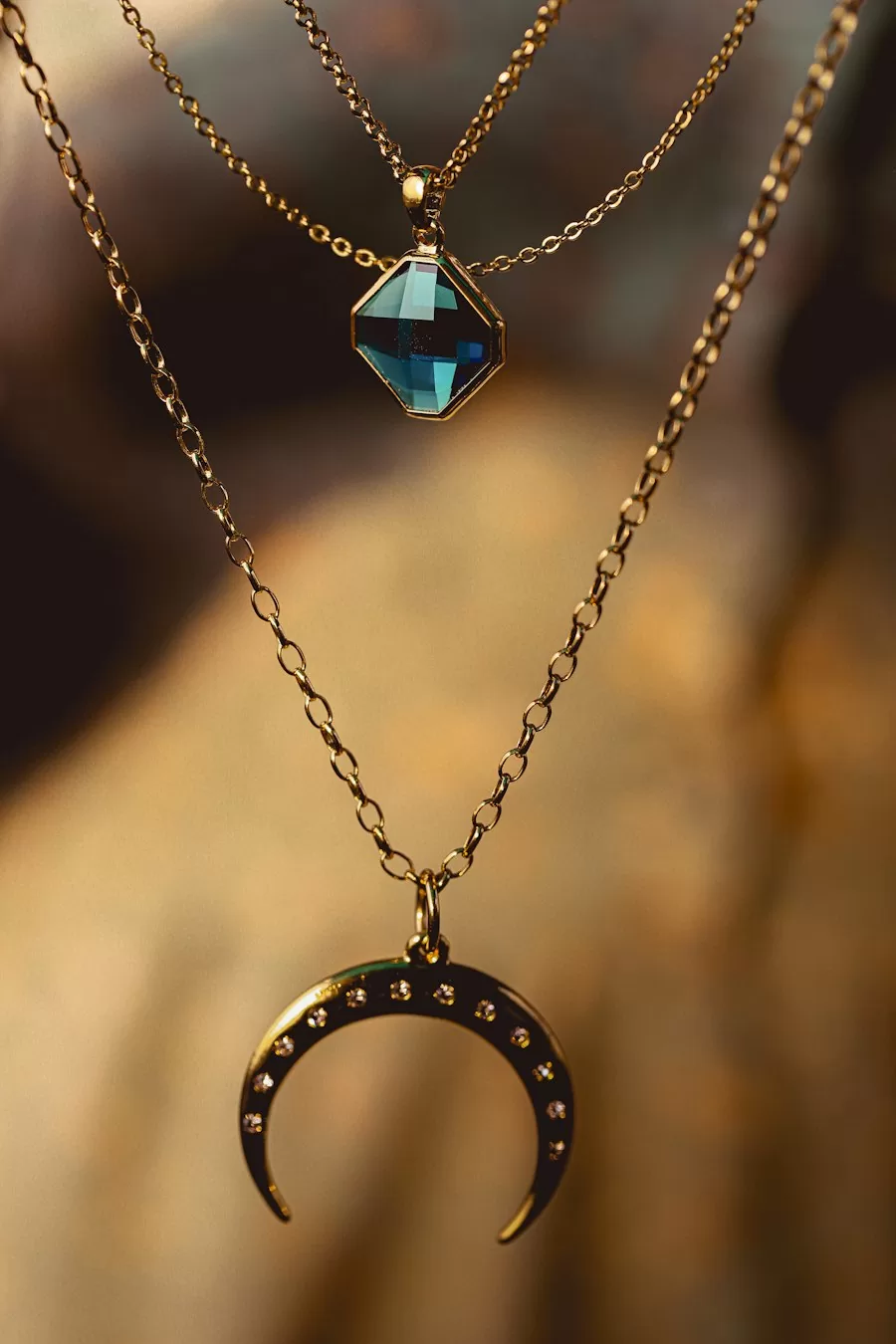
Most wholesale buying works one way: you place a PO, pay the invoice, and the stock is yours. Consignment flips that model. The vendor retains ownership of the jewelry, you display and sell it in your store, and you remit the wholesale cost only on the pieces that actually move. For a small retailer testing the moissanite category, that sounds almost too good. It sounds like free inventory. But consignment is a financing arrangement dressed as a purchase order, and like any financing, it carries a price tag.
How consignment actually works
In a typical consignment arrangement, the supplier sends you a curated selection, often on a memo basis. You agree to display the pieces, usually in a dedicated case area, and to report sales on a fixed schedule such as every thirty or sixty days. At the end of the period, you remit payment for sold items and return the unsold ones, sometimes replacing them with fresh stock. You never own the jewelry until a customer buys it from you.
The margin structure differs from outright wholesale. On consignment, the supplier's wholesale cost is effectively higher relative to retail, because the supplier is carrying the inventory risk and the capital. A retailer who buys outright at a standard wholesale multiple can usually price more competitively and keep a larger gross margin than a retailer on memo. The trade is simple: lower upfront cash outlay in exchange for a thinner per-sale margin.
When consignment helps a young store
Consignment makes the most sense in three situations. First, when you are entering moissanite for the first time and have no data on which shapes, metals, or price points your local clientele prefers. A small memo selection lets you read the market without writing a five-figure check. Second, when you want to display a few high-ticket statement pieces that you could not justify buying outright. Third, during a seasonal ramp, such as before engagement season, when you want a fuller case but do not want to carry the leftovers into a slow quarter.
For a deeper view of the cash tradeoffs, our piece on moissanite retail markup and margin walks through how much more margin you typically give up when you do not own your stock.
The hidden costs of memo inventory
The first hidden cost is margin compression. The second is control. On consignment, you often cannot engrave, resize, or alter a piece without the supplier's approval, because the piece is not yours. That matters when a customer wants a ring sized before purchase. You may also be restricted in how you price and promote the item, which can conflict with your local positioning.
Shrinkage and damage are the third cost. Read every consignment agreement's liability clause. Many hold the retailer responsible for loss, theft, and damage while the goods are in your store, even though you never paid for them. A single stolen halo engagement ring from a memo case can erase the margin from dozens of smaller sales. Confirm whether the supplier carries the transit and display insurance, and confirm what your own rider covers.
The fourth cost is opportunity cost on your display. A case space filled with memo pieces you cannot discount or bundle is case space you cannot use for the stock you actually own and control. High-value real estate in your showcase should usually belong to you.
Outright buying versus consignment
Once you have six to twelve months of sell-through data on your moissanite category, outright buying almost always wins. You lock in a better wholesale price, you own the margin, you can resize and engrave freely, and you can run promotions without asking permission. The lower minimum order quantities now available from experienced moissanite factories mean you can buy outright in reasonably small batches rather than betting the business on a single huge order.
Many retailers use a hybrid. They buy their core evergreen shapes and sizes outright, and run a small rotating memo of trend pieces, colored moissanite, or statement earrings to test demand. The memo tests what to buy next quarter; the outright stock pays the bills this quarter.
Questions to ask before signing a memo agreement
Ask what the consignment wholesale price is versus the outright wholesale price, so you can quantify the financing premium. Ask how often stock rotates and whether slow sellers can be swapped. Ask who carries insurance on the floor and in transit. Ask whether returns are allowed for defects, and how defects are verified. Ask whether you can resize or engrave, and at whose cost. Finally, ask what happens at the end of the consignment term: do you have to buy the leftovers, or ship them back at your expense?
Consignment is a tool, not a default. Used well, it lets a cautious retailer enter a category with limited risk. Used as a permanent strategy, it quietly caps your margin and your control. Treat memo as a research budget, graduate to outright buying once you know your sell-through, and the arrangement stops being a crutch and starts being a launchpad.
For third-party reference, the Wikipedia article on moissanite details moissanite’s discovery, optical properties and use in jewellery.
Related reading: Drop-Shipping vs. Wholesale Moissanite: Which Model Fits Your Store, Consignment vs. Buyout: Choosing the Right Wholesale Model, Dropshipping vs. Wholesale Inventory: Which Model Fits Your Moissanite.
Frequently Asked Questions
Is moissanite a good diamond alternative for retail buyers?
Yes for price-sensitive customers who want brilliance and hardness. Moissanite ranks 9.25 on the Mohs scale, holds up to daily wear and costs a fraction of a natural diamond of the same size, so it resells fast in bridal and fashion lines.
What is the minimum order for wholesale moissanite?
MOQ starts at 50 pieces per design for stock items. Custom cuts and private-label settings usually start at 100–300 pieces depending on the mold.
Do you provide certificates with moissanite stones?
Yes. Every parcel ships with GRA or IGI documentation listing carat weight, color grade and cut. We recommend passing the certificate to your end customer for trust.
How long does sample and bulk production take?
Samples ship in 3–5 days. Bulk runs take 15–20 days under 500 pieces, and 25–30 days for custom work.