Buyers do not fail on moissanite because the design is wrong; they fail because the range was never read as a range.

Most first orders are sized by guesswork
The usual pattern is a small trial buy, a reorder within weeks, and a third order that finally reflects real demand. That is two orders of working capital spent on learning. The range holds 1131 designs in this category.
The alternative is to size the first order from what the range already covers, so the trial is also a usable assortment.
With 1131 designs on file, the reorder path usually exists before the first order is placed.
Building the assortment
| Slot | Purpose | Designs from this range |
|---|---|---|
| Opening price | Traffic and trial | One entry build |
| Core look | Main volume | Two to three volume builds |
| Stretch | Differentiation | One design outside the norm |
| Reorder anchor | Continuity | The design most likely to repeat |
How many units per design
Units per design should follow the number of designs you carry, not the other way round. A narrow shortlist justifies deeper units because each design has to carry the category; a wide shortlist justifies shallow units because the range does the work.
What to leave out of the first order
- Designs with a stone that has to be sourced per order
- Custom sizes that have not been sampled
- Finishes that were described but not shown
- Anything the spec sheet cannot confirm
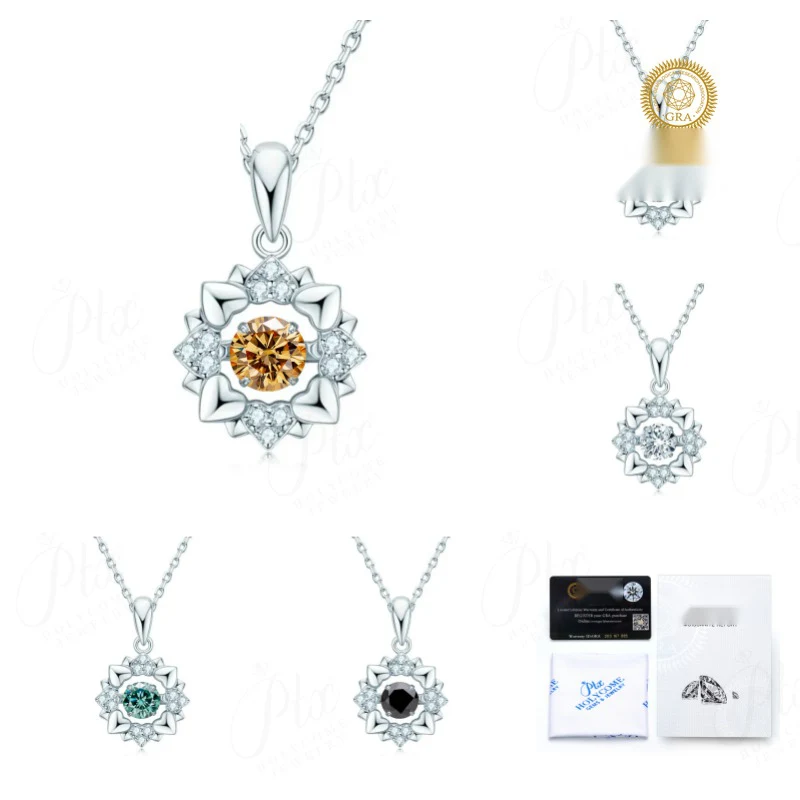
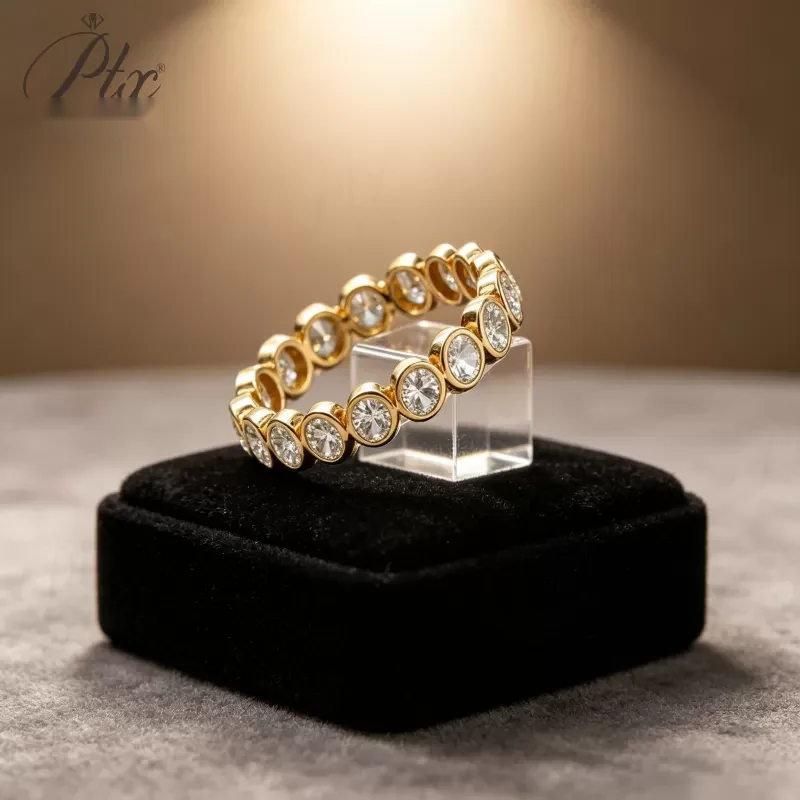
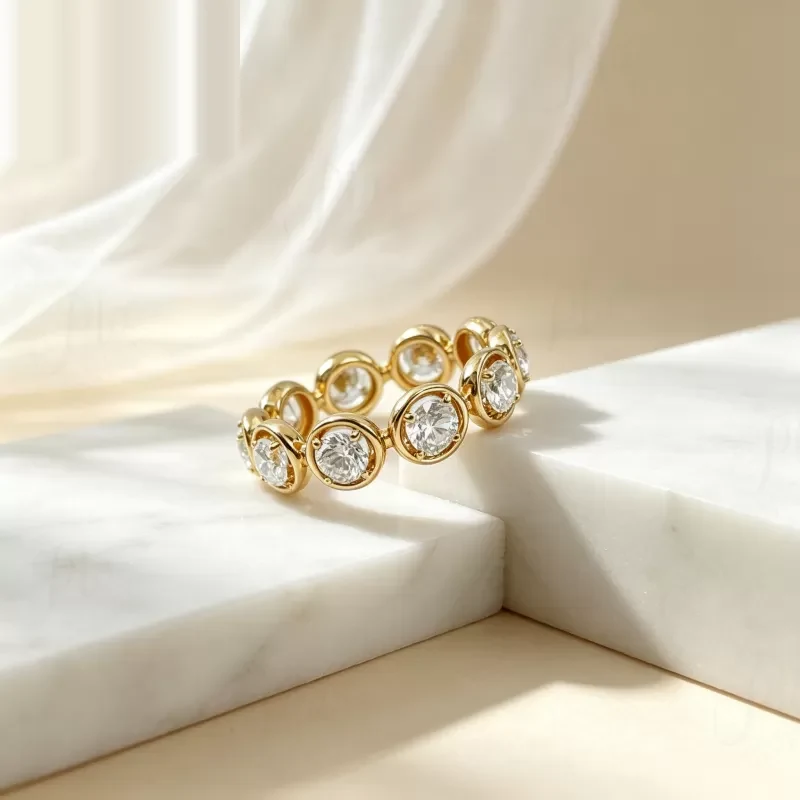
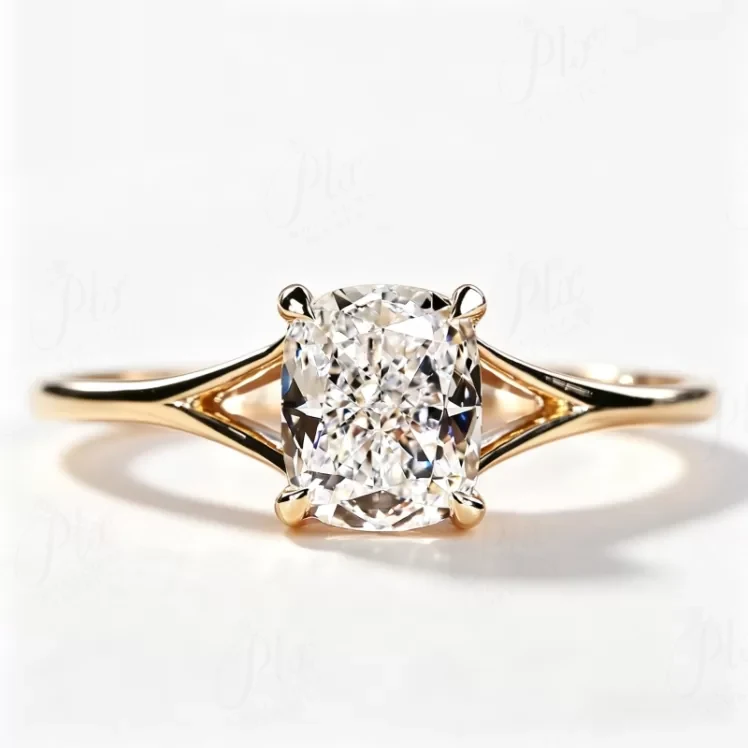
Reference designs in the range include 3/2.5/2mm GRA Moissanite Tennis Bracelet; Total 0.5ct Marquise Moissanite Tennis Bracelet; 1ct Round Cut D Color GRA Moissanite Ring.
The reorder plan belongs in the first order
Decide now which two designs will be reordered if they sell, and which will be dropped. That decision is much cheaper to make before the buy than after the sell-through report.
Range snapshot: Moissanite by the numbers
| Dimension | Reading | Buying note |
|---|---|---|
| Designs on file | 1131 | Shortlist can come from stock patterns |
Read the snapshot before the shortlist: a category that is narrow in metal but deep in cut behaves differently from one that is the other way round.
Frequently Asked Questions
What is a realistic first order size?
Small enough to test the finishing, wide enough to cover more than one price point. A single design rarely tests a factory.
Should the first order include custom work?
Better to keep custom work for the second order, once the standard build has been verified on your own customer base.
How do I avoid dead stock on a first order?
Keep units shallow across more designs, and pre-decide the reorder pair before the goods arrive.
Does a first order get better pricing?
Sometimes, but price is less important than confirming the build. Ask for the volume tier structure so the second order is priced correctly.
What should I measure after the first order?
Sell-through by design, return reasons, and which spec field customers asked about. Those three decide the reorder.
If you want to work from the current range rather than from a catalogue PDF, send the two price slots you sell and the size bands you stock. We will reply with the designs that fit, the build on each, and the reorder path. HOLYCOME keeps the full range in one place.
The checklist below is the short version of everything above, and it is worth running before the quote rather than after the order.
- Confirm the design is a stock pattern and not a new build
- Match the base metal and finish against the spec sheet
- Check the stone origin wording before it goes on a listing
- Quote every design at the same MOQ tier before comparing
- Ask which design in the same price slot absorbs a stock-out