A customer who leaves your store with a new moissanite ring and no paperwork is a customer who cannot insure it. Most renters and homeowners insurance policies require a written appraisal or receipt to cover jewelry above a small threshold, and a surprising number of buyers discover this only after the piece is already lost. Retailers who hand over clean, professional documentation at the moment of sale remove that worry, look more credible, and give the customer one more reason to choose them over a cheaper online competitor.
What the customer actually needs
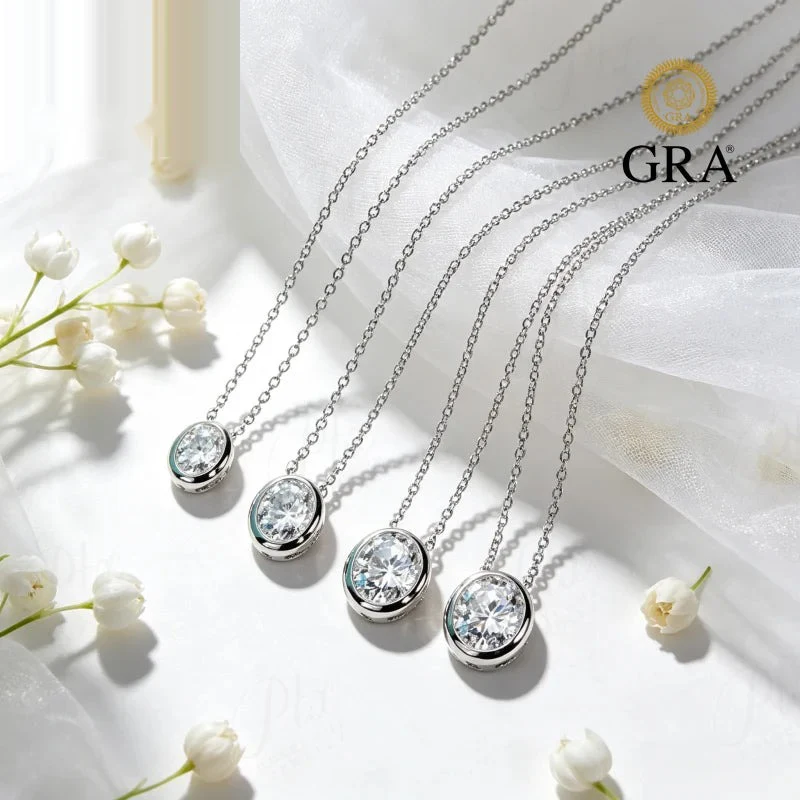
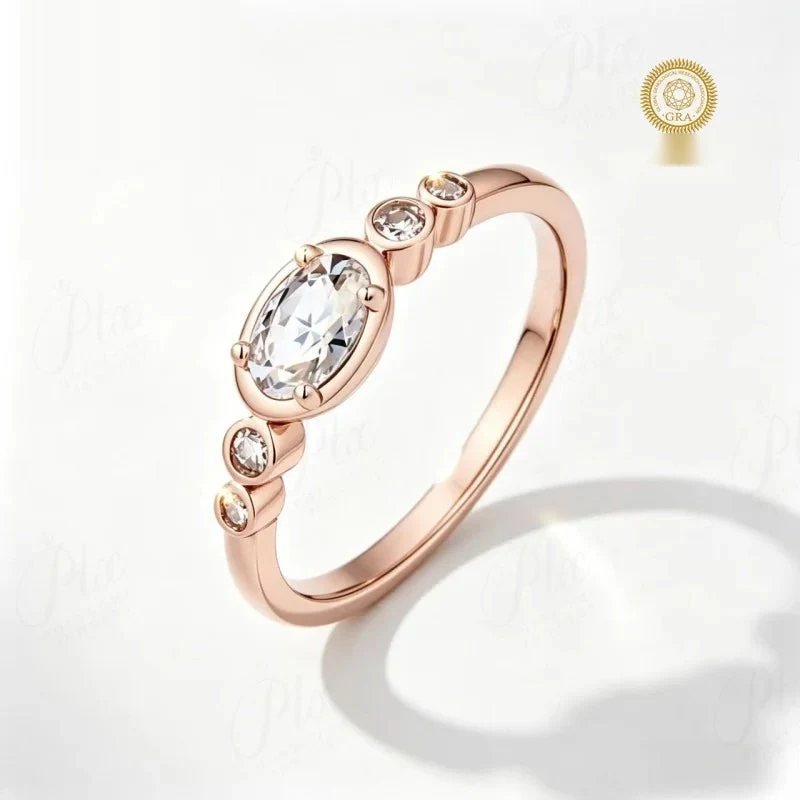
For insurance, most carriers accept either a detailed retail receipt or a formal appraisal. The receipt should state the metal and karat, the moissanite shape and size in millimeters, the total carat-equivalent weight, the color and clarity grade where applicable, and the purchase price. A formal appraisal adds a replacement-value estimate and a description detailed enough to identify the exact piece if it is lost. For a moissanite sale, the factory-supplied certification (FTC jewelry industry guides), such as a GRA certificate for the stone, is the natural companion document; keep a copy with the customer's record.
How insurers value moissanite
This is the point most retailers get wrong. Insurance covers replacement, not the wholesale cost. The replacement value of a moissanite piece is what it would cost to buy a comparable piece at retail today, including the metal and the craftsmanship, not the original wholesale price you paid. When you write a replacement value on an appraisal, base it on the retail replacement cost, not on what the customer paid. Over-inflating the value does not help the customer; it raises their premium and invites a claim dispute later. Be realistic and consistent, and the insurer will accept the document without argument.
Describe the stone accurately
Honesty in documentation protects you as much as it protects the customer. State clearly that the stone is moissanite, a lab-created diamond alternative, not a natural diamond or a lab-grown diamond. Insurers and, more importantly, the customer deserve that clarity. Moissanite's properties, including its strong fire and its thermal conductivity, are described in our clarity characteristics guide, and the distinction between moissanite and simulants is covered in diamond terminology for simulants and synthetics. Mislabeling a stone on an appraisal is the one error that can turn a service benefit into a liability.
Make the document part of the sale, not an upsell
The smoothest retailers include a basic documentation packet with every bridal sale: the receipt, the stone certificate, and a one-page care and insurance summary. Offer a formal written appraisal as an optional paid service for higher-value pieces. Do not gate the receipt paperwork behind a charge; that creates friction at the exact moment the customer is happiest. The goal is to make insuring the ring feel automatic, because a customer who cannot insure the piece will quietly doubt the purchase.
Keep your own records
Retain a copy of every appraisal and certificate in the customer file, tied to the SKU and the sale date. When that customer returns in three years for a warranty claim, a resizing, or an upgrade program, you can pull the exact specification of the piece they bought. This is the same record-keeping discipline that powers the warranty program in moissanite warranty programs; the two systems share a database.
Coach the customer on the next step
Most buyers do not know how to insure jewelry. Spend sixty seconds explaining: add the piece as a scheduled item to their existing policy, or take out a standalone jewelry policy, and keep the appraisal in a safe place. That short conversation is what customers remember when a friend asks where they bought their ring. It costs you nothing and it positions you as the expert, not just the seller. When the policy renewal comes around a year later, the customer already has the paperwork filed and knows exactly what the piece is covered for.
Handle the resale and trade-in conversation honestly
Customers sometimes ask whether a moissanite piece holds resale value the way a diamond does. It does not, and the appraisal paperwork is the moment to say so plainly. Moissanite is a beautiful, durable alternative, but it is not a traded commodity with a secondary market the way diamond is. Frame the value of the piece as wearable joy and craft, not as an investment. That honesty prevents an awkward conversation two years later when a customer tries to resell and finds no diamond-like buyback. Retailers who over-promise on resale value damage trust far faster than those who set expectations up front.
Appraisal and insurance paperwork is a service you already have the materials to deliver. Give the customer an accurate receipt, a clear stone description, a realistic replacement value, and a quick explanation of how to insure the piece. Done as a standard part of every sale, it builds trust that pays back in referrals and return visits for years.
For background on how lab-grown diamonds are produced, the Wikipedia article on synthetic diamonds explains the HPHT and CVD growth methods.
Frequently Asked Questions
Is moissanite a good diamond alternative for retail buyers?
Yes for price-sensitive customers who want brilliance and hardness. Moissanite ranks 9.25 on the Mohs scale, holds up to daily wear and costs a fraction of a natural diamond of the same size, so it resells fast in bridal and fashion lines.
What is the minimum order for wholesale moissanite?
MOQ starts at 50 pieces per design for stock items. Custom cuts and private-label settings usually start at 100–300 pieces depending on the mold.
Do you provide certificates with moissanite stones?
Yes. Every parcel ships with GRA or IGI documentation listing carat weight, color grade and cut. We recommend passing the certificate to your end customer for trust.
How long does sample and bulk production take?
Samples ship in 3–5 days. Bulk runs take 15–20 days under 500 pieces, and 25–30 days for custom work.