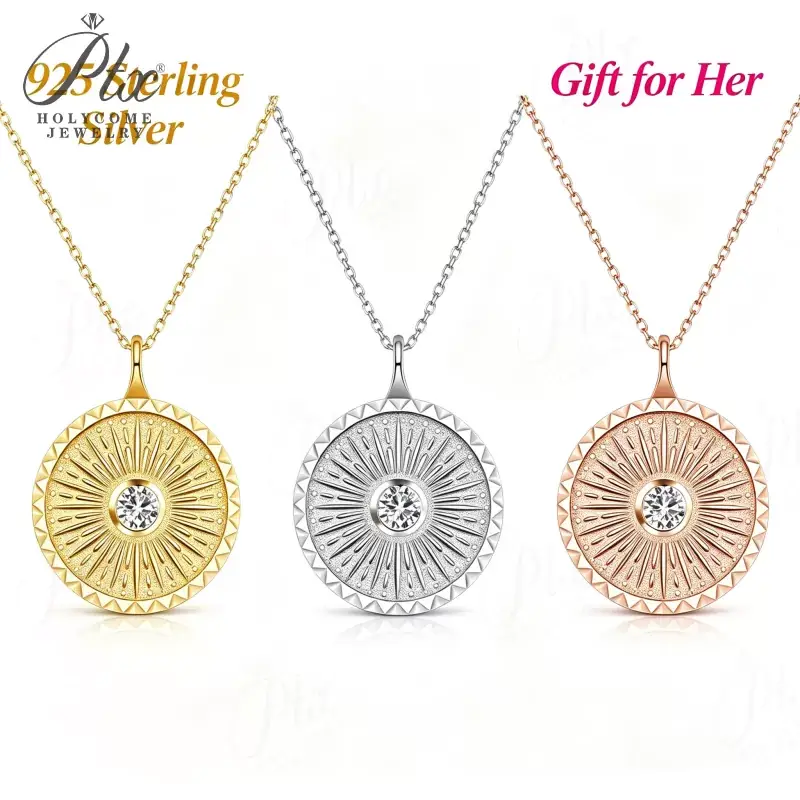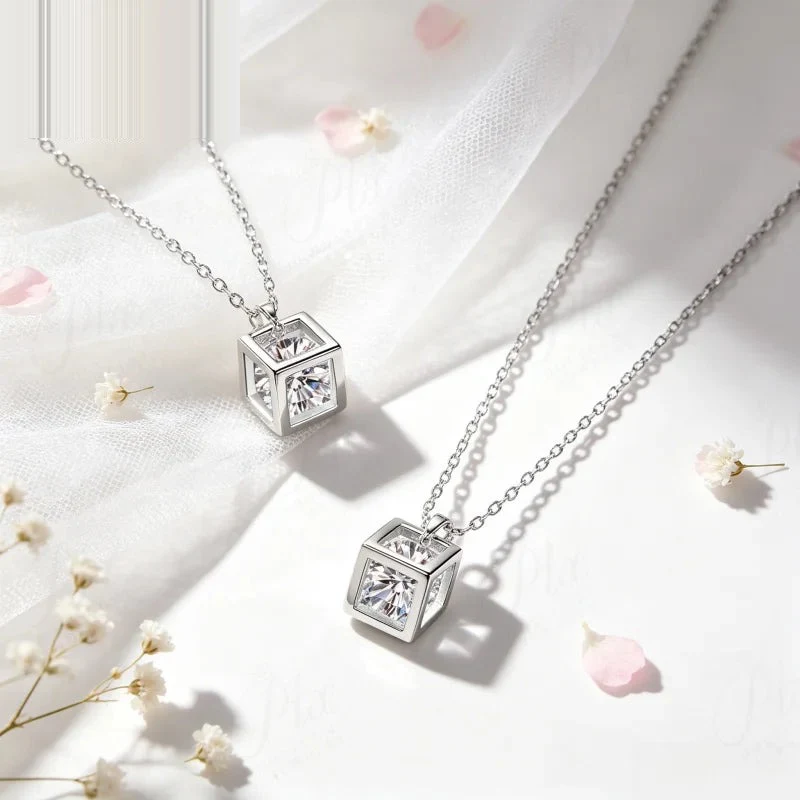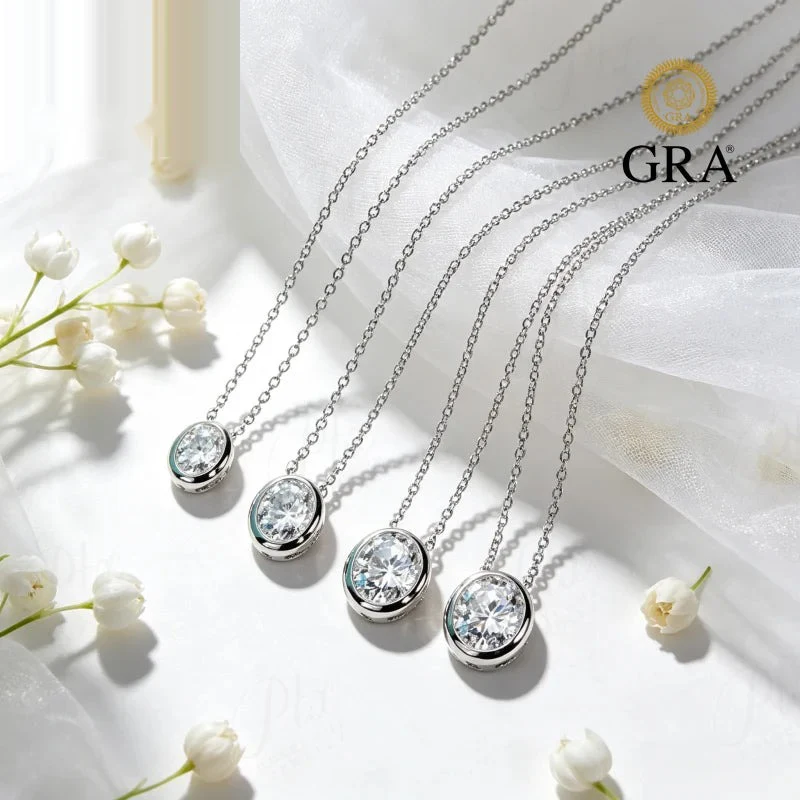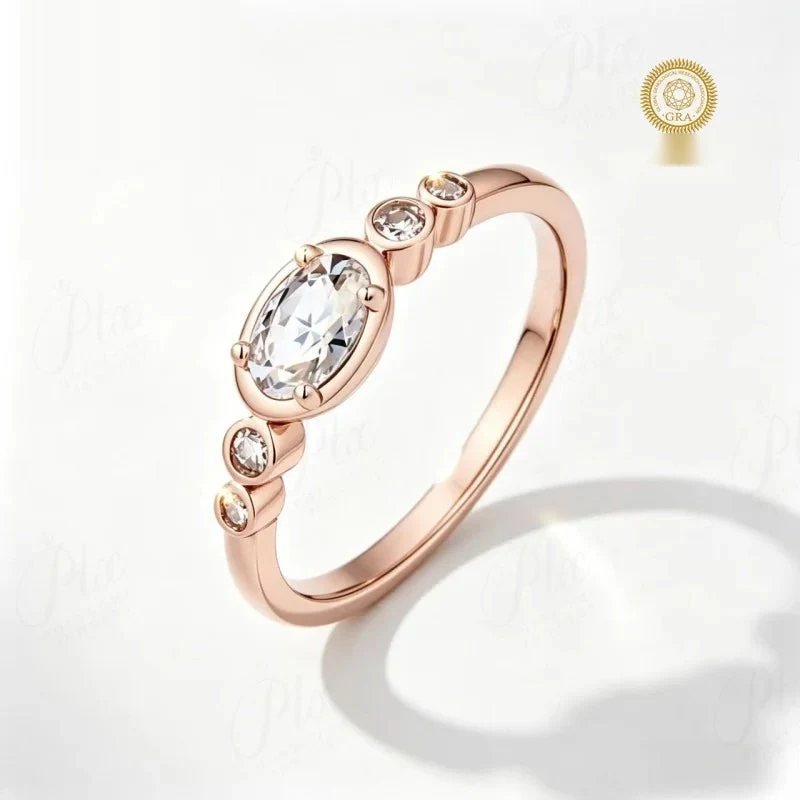
A customer leaves your store wearing a moissanite engagement ring and never thinks again about what would happen if it slipped off at the gym or was lost on a trip. That gap between purchase and protection is a real one, and it is also an opportunity for retailers who handle the conversation well. Talking jewelry insurance is not upselling; it is helping a customer protect a significant purchase. Done correctly, it strengthens the relationship rather than complicating the sale.
What insurance actually covers
Standard homeowners or renters insurance usually covers jewelry only up to a small sub-limit, and often only for theft, not loss or mysterious disappearance. The standard solution is a scheduled personal property rider, or a standalone jewelry policy from a specialist insurer. These policies cover loss, theft, damage, and sometimes disappearance, and they require the piece to be appraised and scheduled by its value. For a couple buying an engagement ring, this is the realistic protection path.
How moissanite affects the conversation
Because moissanite carries a lower retail replacement value than a comparable natural diamond, premiums are typically lower as well. That is a selling point you can use. A customer who might balk at insuring a five-figure diamond at two percent of value per year is often comfortable insuring a moissanite piece at the same rate, because the base number is smaller. Be transparent about this: do not hide the lower replacement value, and do not inflate appraisals to match diamond pricing. Insurers verify, and an overstated appraisal creates a claim problem later.
The appraisal question
Most insurance companies require a recent appraisal, typically within the last two to three years, describing the piece: metal weight, stone type, stone dimensions, cut, color, clarity, and retail replacement value. As a retailer, you can offer in-house appraisals for pieces you sold, or refer customers to an independent gemologist. Be honest about what you are and are not qualified to write on the document. If your jurisdiction requires a licensed appraiser for insurance purposes, say so rather than improvising.
One practical point: appraisals should reflect replacement value, not what the customer paid. If a customer bought at a promotional price, the appraisal still reflects what it would cost to replace the piece today. Document the moissanite by its measured millimeter size and grade rather than by a carat equivalent, because insurers increasingly treat moissanite and diamonds as separate categories.
How to bring it up without feeling pushy
The best moment to mention insurance is at the point of sale, when the customer is still thinking about how to care for the piece. A simple line works: "Most of our customers add a scheduled policy for peace of mind; it runs roughly a percentage point or two of the value each year, and I can give you a referral to a specialist." Frame it as information, not a product. Customers who want it will ask for the referral; customers who do not will still appreciate that you raised the topic.
Keep a one-page handout or a saved link on your phone to two or three reputable options. Do not push one insurer exclusively; that can create a perceived conflict of interest. Give customers the lay of the land and let them choose.
Documenting the sale for the customer
When a customer buys an insurable piece, hand over a document that makes the insurance process easy: the SKU, a description of metal and stone, the measured millimeter size of the moissanite, the purchase price, and your stamp as the retailer. This sheet is what most insurers need to issue a binder. Retailers who hand the customer a printed receipt on thermal paper three years later are doing that customer a disservice, because the ink fades. A clean PDF or printed certificate with the piece's details makes the policy simple to write and simple to claim against. It also reinforces that you sold a real, documented product, not an anonymous impulse buy.
Why this matters for your reputation
A customer whose ring is lost and who realizes she was never insured may blame the store, even though you did not sell the policy. A customer you gently advised toward insurance, who then makes a claim and is made whole, remembers you as the jeweler who looked out for her. Over years, those small trust moments compound. Insurance education is, in practice, a low-cost retention tactic dressed up as a service.
Keep the conversation brief and factual. You are not selling a policy, and you are not earning a commission. You are flagging a protection gap that most customers would otherwise overlook. That framing is what makes the advice feel like care rather than upsell, and it is the framing that keeps customers coming back when they are ready for their next piece. The documentation you hand over pairs naturally with the stone's own paperwork; if you sell certified stones, our overview of GRA certification for moissanite explains what that card does and does not prove.
Gemstone grading terminology used here follows the Gemological Institute of America’s gem encyclopedia.
Frequently Asked Questions
Is moissanite a good diamond alternative for retail buyers?
Yes for price-sensitive customers who want brilliance and hardness. Moissanite ranks 9.25 on the Mohs scale, holds up to daily wear and costs a fraction of a natural diamond of the same size, so it resells fast in bridal and fashion lines.
What is the minimum order for wholesale moissanite?
MOQ starts at 50 pieces per design for stock items. Custom cuts and private-label settings usually start at 100–300 pieces depending on the mold.
Do you provide certificates with moissanite stones?
Yes. Every parcel ships with GRA or IGI documentation listing carat weight, color grade and cut. We recommend passing the certificate to your end customer for trust.
How long does sample and bulk production take?
Samples ship in 3–5 days. Bulk runs take 15–20 days under 500 pieces, and 25–30 days for custom work.