Moissanite has come a long way, but old myths about it still follow the category around. Buyers hesitate because they heard moissanite looks “too sparkly,” scratches easily, or has no resale value. Some of these claims were true twenty years ago; none of them describe the high-end moissanite sold today. Let us debunk the seven myths we hear most, so retailers can answer customers confidently and buyers can decide without outdated information.
Myth 1: Moissanite Is Just Fancy Cubic Zirconia
This is the biggest and most persistent confusion. Cubic zirconia (CZ) is a cheap, soft simulalant that scratches and clouds within months. Moissanite is a completely different material — silicon carbide — that rates 9.25 on the Mohs scale, just below a diamond’s 10. It is durable enough for daily wear, while CZ is not. A premium moissanite stone lasts decades; a CZ looks tired within a year.
Myth 2: Moissanite Sparkles Too Much, It Looks Fake
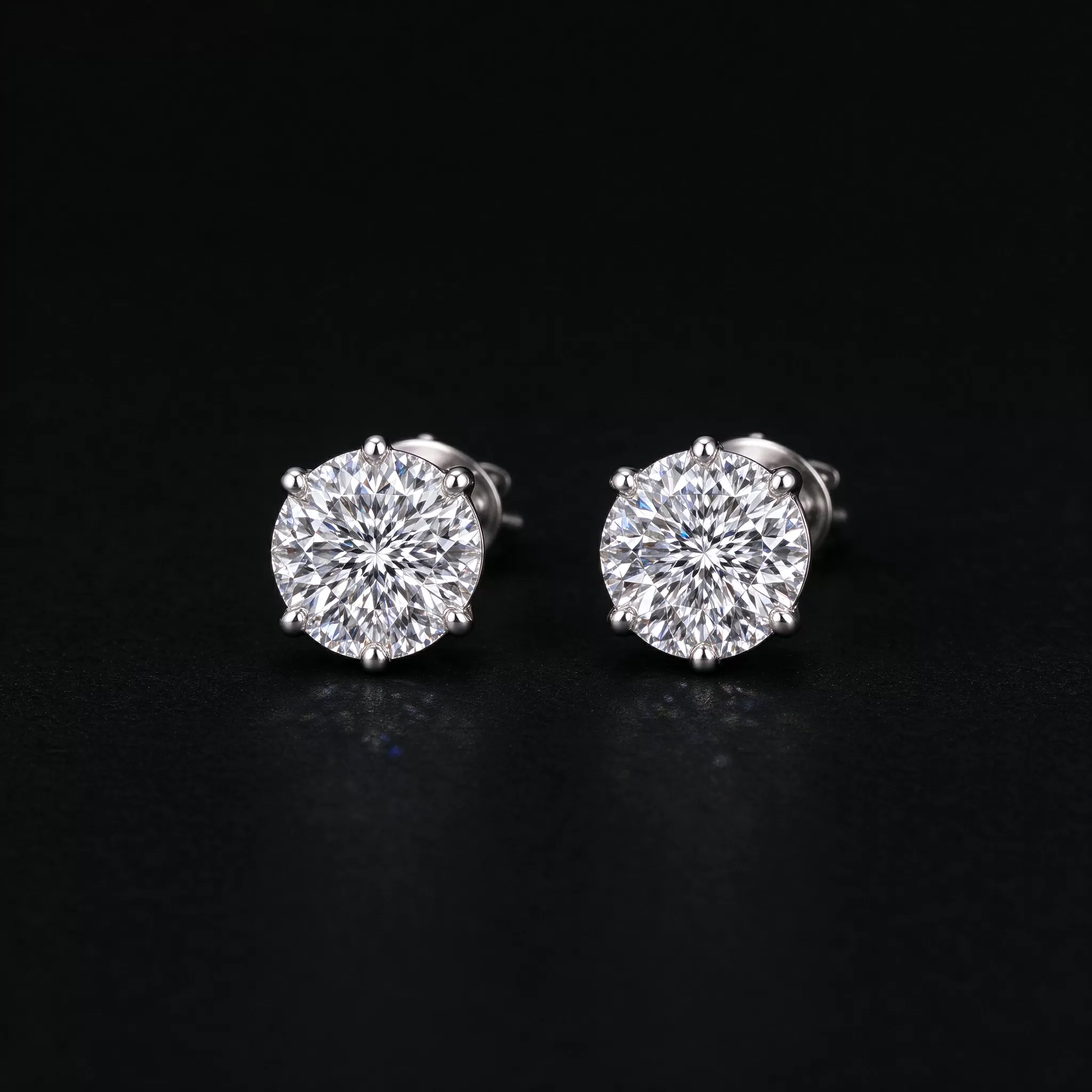
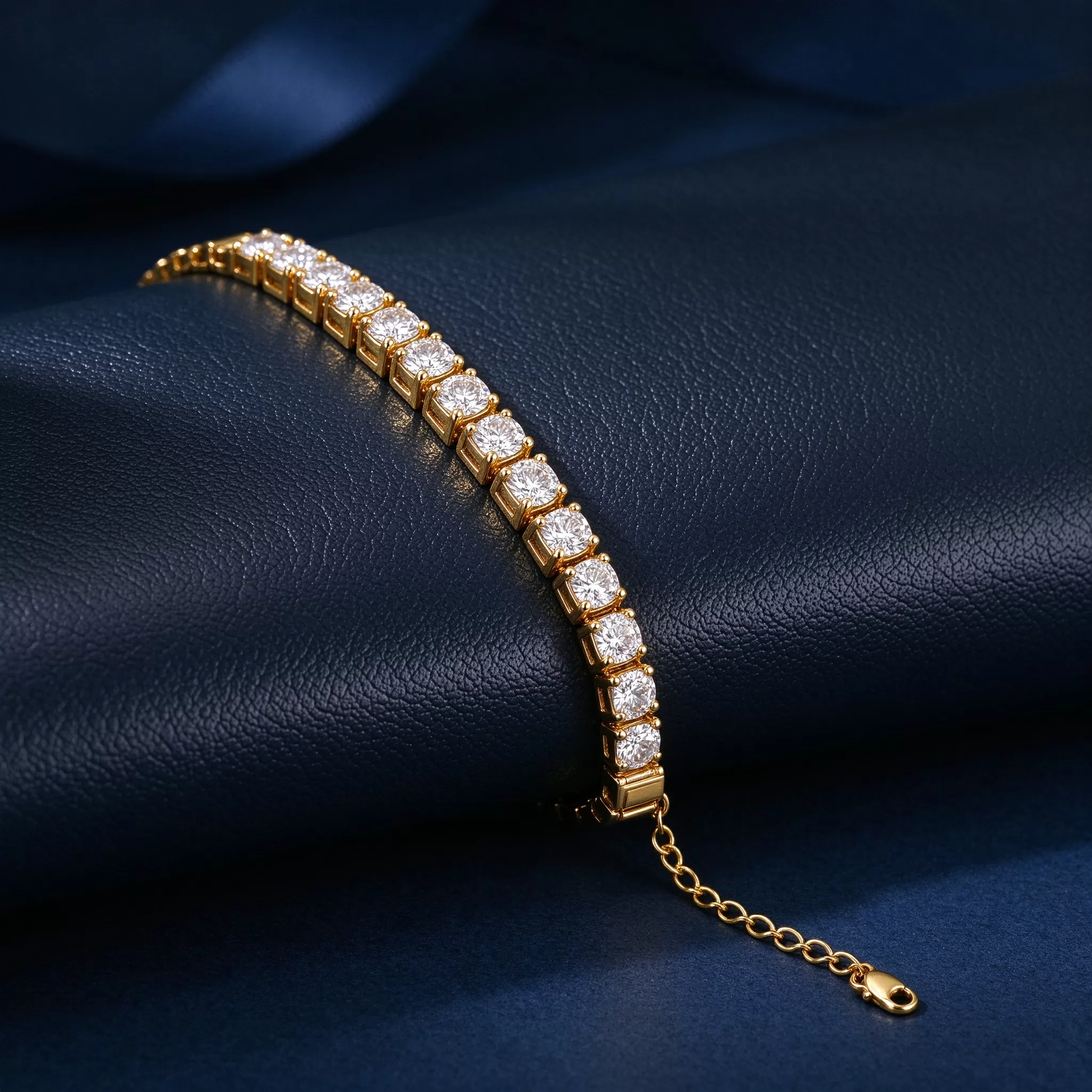
Moissanite does refract light more strongly than diamond, which gives it visible fire — those flashes of rainbow color. Early low-quality moissanite was cut poorly and looked over-bright. Modern premium moissanite is cut to balanced proportions, so the sparkle is brilliant rather than gaudy. The result looks lively and beautiful, not costume. In person, most viewers cannot distinguish it from a fine diamond.
Myth 3: Moissanite Scratches Easily
At 9.25 on the Mohs scale, moissanite is second only to diamond and sapphire in everyday durability. It resists the scratches that cloud softer simulants. It will not scratch from normal wear. What can mark it is another diamond — diamonds scratch everything softer, including moissanite. Store it separately and it stays brilliant.
Myth 4: It Has No Resale Value
Fine jewelry generally has limited resale value regardless of stone, because the retail markup is paid to craftsmanship and setting. Moissanite is bought for beauty and affordability, not investment. Buyers should choose it because it looks incredible for a fraction of diamond cost, not as a wealth store. That is a fair, honest framing.
Myth 5: All Moissanite Looks the Same
There are huge differences in quality. Premium moissanite is graded for color (D-F near-colorless) and cut symmetry; bargain moissanite can be gray, included or poorly faceted. The price gap reflects real differences. Our high-end moissanite line stocks only near-colorless, precision-cut stones, and we explain grades to every buyer.
Myth 6: You Can Tell Moissanite With a Simple Tester
Basic diamond testers confuse moissanite for diamond because both conduct heat. That is actually good news for buyers: a moissanite ring cannot be dismissed by a quick tester. More importantly, it means quality cannot be faked by a cheap tool — buy from a reputable source with a certificate.
Myth 7: It Is a Compromise for People Who Cannot Afford a Diamond
Increasingly, people choose moissanite on purpose. It offers a larger, conflict-free, brilliant stone at a price that lets buyers spend more on the setting. Many couples who could afford a diamond choose moissanite for the value and ethics. It is a preference, not a consolation prize.
For retailers, we provide training materials and certificates to help customers understand the real story. Our grading standards and wholesale program make it easy to stock premium moissanite with confidence.
Frequently Asked Questions
Is moissanite a real gemstone? Yes — it is a real, durable gemstone, first discovered in a meteor crater and now grown in controlled labs.
Will moissanite cloud over time? No, if cleaned occasionally. It resists the clouding that ruins CZ.
Can I resize a moissanite ring? Yes, the stone is fully stable under normal resizing heat.
Does it come with a certificate? Premium moissanite includes a grading card; always verify before buying.
The Real Difference Between Cheap and Premium Moissanite
Not all moissanite is the same, and the myth that “all moissanite looks like plastic” really refers to cheap, poorly cut stones. Premium moissanite is graded for color and cut precision; bargain moissanite can be grayish, included or unevenly faceted. The price gap reflects real differences. A D-F color, precision-cut stone has the clean white brilliance customers expect, while a cheap stone can look dark or over-rainbowy. When buying, ask for the color grade and a photo in natural light, and always require a grading card. Our high-end moissanite line stocks only near-colorless, well-cut stones, which is why it photographs and wears like a premium piece.
This distinction matters for retailers. Customers who had a bad experience with cheap moissanite often generalize the dislike to the whole category. Educate them: show a premium stone next to a cheap one, explain the grading, and the difference becomes obvious. The market is increasingly sophisticated, and buyers who understand the grade gap become loyal repeat customers. We supply certificates and comparison materials to retail partners so they can make this case confidently.
Moissanite Ethics and Storytelling
Modern buyers care about how their jewelry is made, and moissanite has a strong story. It is laboratory-grown, conflict-free, and produced with a far smaller footprint per carat than mined diamonds. For brands that want an ethical, affordable bridal option, moissanite is a natural fit. It is also durable enough for daily wear, so the ethics do not come at the cost of practicality. Frame the story honestly: moissanite is not a diamond, and it does not pretend to be; it is a beautiful, responsible stone in its own right. That honesty resonates more than pretending it is something it is not. Read our educational buying guides for the full comparison.
How to Recognize Real Premium Moissanite
Not all moissanite is equal, and the best way to avoid disappointment is to buy graded, certified stones. Premium moissanite is near-colorless and precision-cut; cheaper versions can look gray, dark or over-rainbowy. Ask for a grading card and a photo in natural light. The difference between a premium stone and a bargain one is visible to anyone who compares them side by side. When customers understand this distinction, they stop generalizing that moissanite looks cheap. We stock only near-colorless, well-cut stones and provide certificates with every order.
The bottom line is simple: buy graded, certified moissanite from a reputable source, and you will not be disappointed. The myths persist because people confuse cheap simulants with real premium moissanite. Once you see the two side by side, the difference is obvious. We stock only near-colorless, well-cut stones and back every piece with documentation, so you can sell or wear it with confidence.