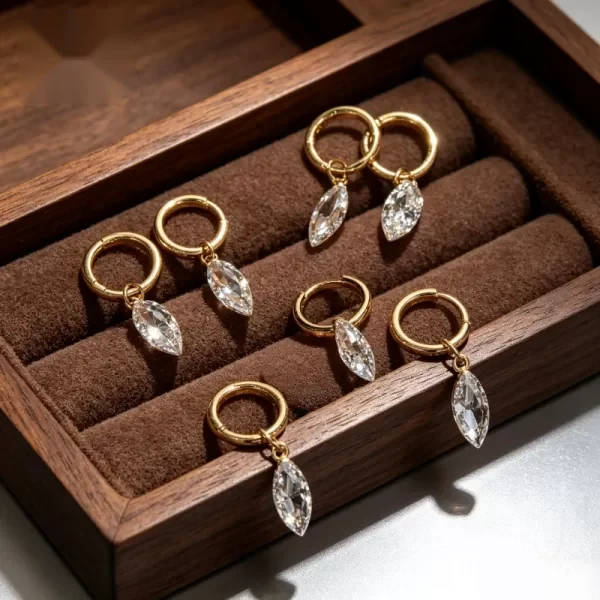
When a retail customer walks in and asks for a three-carat oval moissanite engagement ring in a rose gold hidden halo, the question you cannot shrug off is simple: how soon can I get it? Lead time quietly decides whether you close the sale today or lose it to a competitor who has the piece in stock. For wholesale buyers sourcing from a moissanite factory, understanding production timelines is not an administrative detail. It is one of the core levers of your cash flow and your credibility with your own customers.
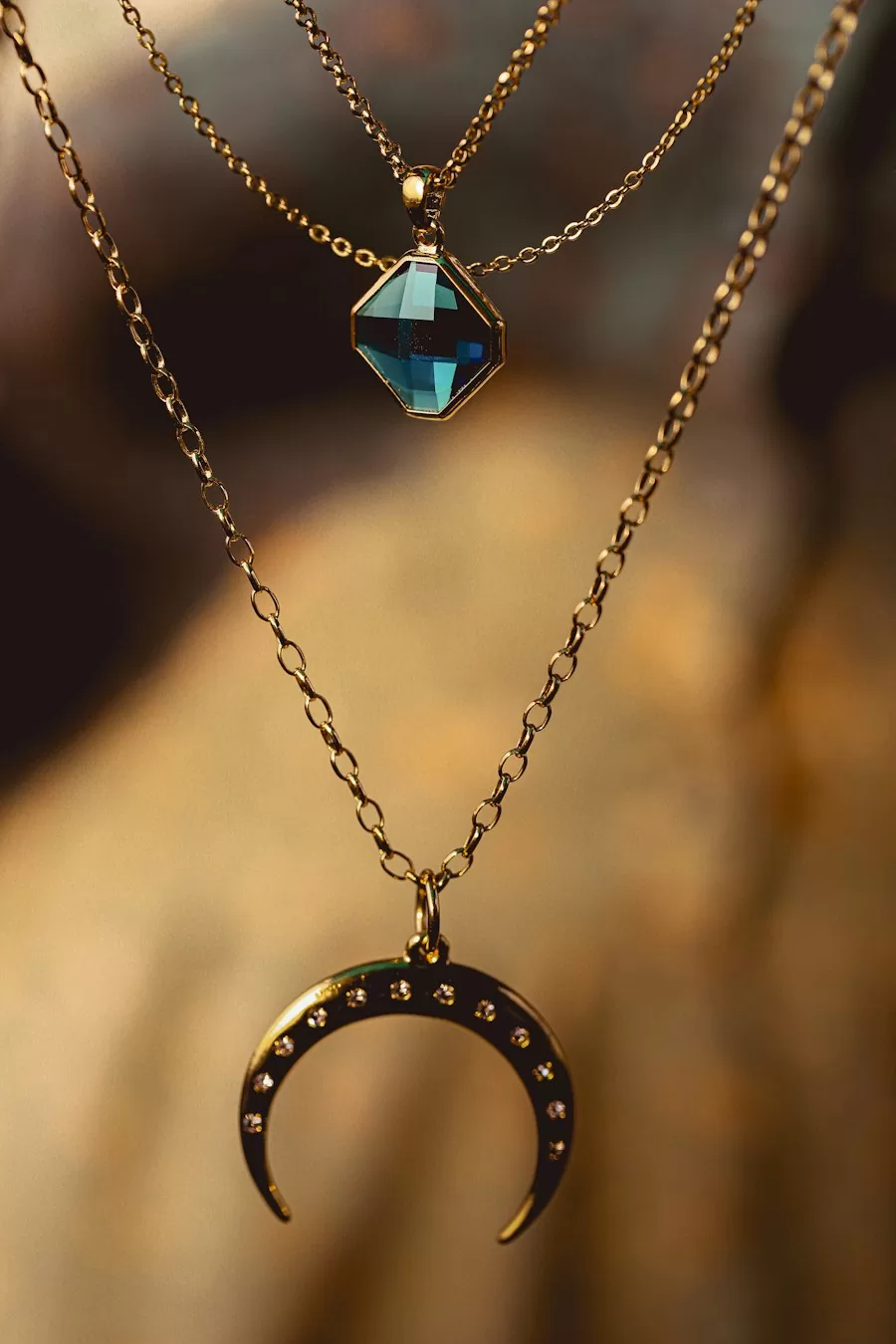
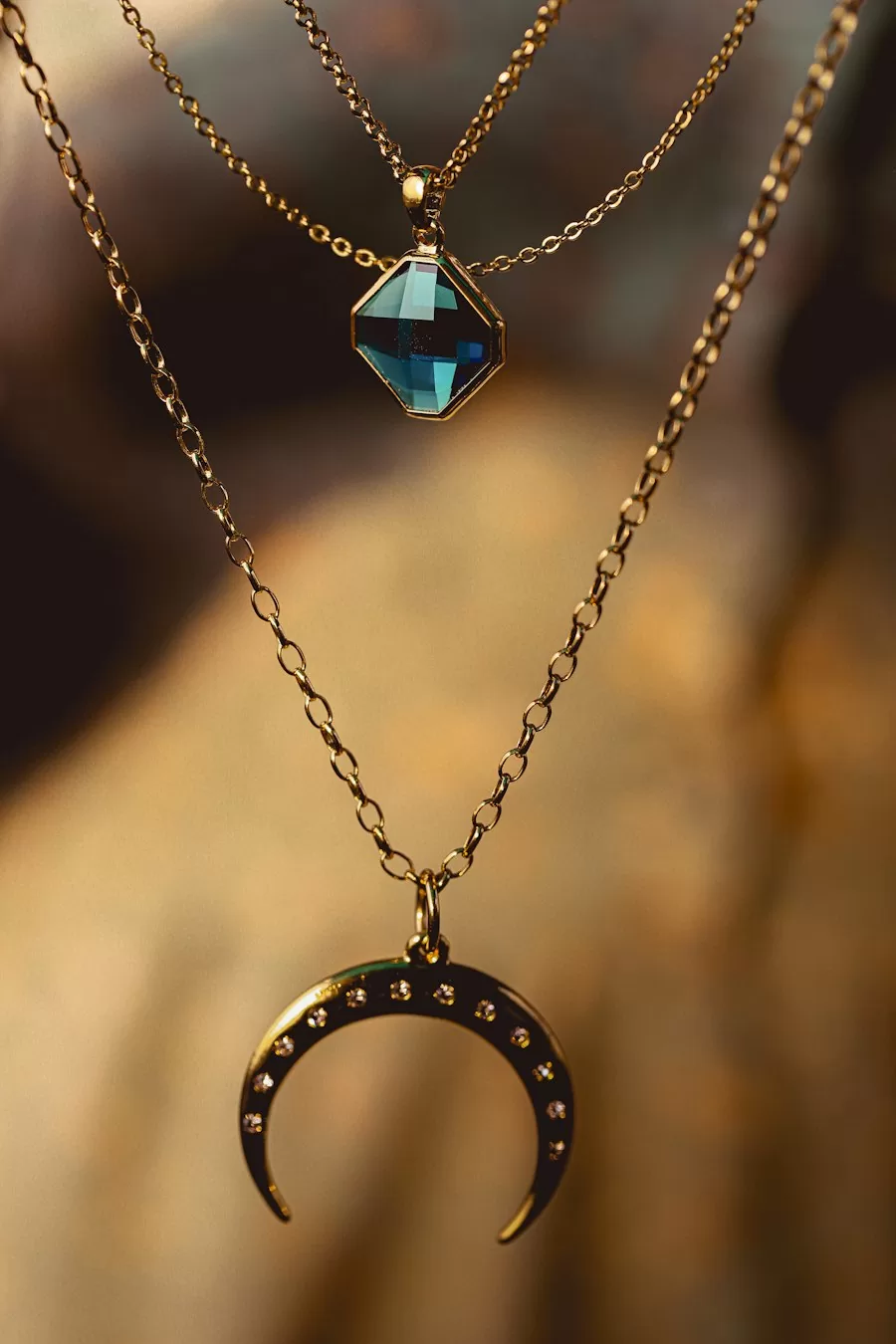
Lead times vary sharply depending on what you are ordering. The single biggest mistake retailers make is treating every order the same way and quoting their customers a one-size-fits-all number. A ready-to-ship stock ring and a fully custom engraved wedding set live on completely different clocks. Let us break down the realistic ranges for each order type, measured from the moment your purchase order and payment terms are confirmed.
Ready stock and loose stone orders
If you are ordering from a published wholesale stock list, the clock is short. Most loose moissanite inventory and finished stock rings that are already graded, set, and photographed can move within one to two business days for inspection, packing, and dispatch. Add international shipping and you are typically looking at five to ten days door to door for express courier, depending on your country and customs clearance. This is the order type you should lean on for restocking fast sellers and filling immediate customer demand.
Stock orders are also your lowest-risk way to test a new shape or metal color. We explain how to judge best-selling moissanite inventory so you are not tying working capital into slow-moving SKUs. When a stone is already in the warehouse, there is no casting, no setting queue, and no polishing bottleneck slowing you down.
Semi-custom and modified stock orders
The most common wholesale order sits in the middle. A retailer likes a stock design but wants a different metal, a different center stone shape, a prong change, or an engraving. These semi-custom jobs usually take ten to twenty working days. The extra time comes from resizing the shank, re-finishing the metal, and sometimes re-setting a new stone into an existing model. Engraving adds only a day or two once the ring reaches the final finishing bench, but it cannot happen until the piece itself is assembled.
If your customer wants a ring resized more than two sizes up or down, budget closer to the twenty-day end, because significant sizing can require adding or removing metal and re-doing the polish. We cover the limits of this in our guide to moissanite ring resizing and repair.
Fully custom and CAD-designed orders
Fully custom work, where a design starts from a sketch or a customer reference and goes through CAD modeling, wax printing, casting, stone setting, and finishing, is a different commitment. Expect thirty to forty-five working days for a properly executed custom piece. The CAD approval loop alone can add several days if your customer requests changes to the head, the gallery, or the band profile. A good factory will send rendered images or a 3D-printed resin model before casting, because once the metal is poured, revisions become expensive.
During peak bridal season, roughly from November through February in the Northern Hemisphere, these queues stretch. Factories that run at ninety percent capacity during engagement season are not slower on purpose. They are simply booked. If your customer has a May or June wedding, place the custom order no later than the end of February. Rushing a custom ring in peak season is how prongs get rushed and QC steps get skipped.
What actually drives the timeline
A handful of production stages sit on the critical path. Casting and the associated burnout cycle take a full day and cannot be hurried without porosity risk. Stone setting, especially for pave and halo work, is slow, hand-driven labor. Rhodium plating on white gold is a final step that must happen after all setting and finishing, because setting scuffs the plating. Polishing, ultrasonic cleaning, and final inspection round out the process. Any one of these stages can become a bottleneck if the factory is short on bench time.
Payment confirmation is the other silent clock-starter. Most factories do not begin material reservation or production scheduling until the deposit is cleared. If your PO sits in accounting for five days waiting on a wire, those five days come out of your delivery window, not the factory's.
Planning around lead times
Smart retailers build a two-tier inventory model. Keep fast-moving, evergreen SKUs in your own store as stock orders so you can sell today. Keep the longer, higher-ticket custom engagements as made-to-order promises with a clearly communicated window. Train your sales floor to quote the conservative end of the range and then deliver early, rather than promising a quick date and apologizing later.
When you are negotiating MOQ and terms, ask explicitly about rush surcharges and whether the factory holds a small buffer of common sizes and shapes for urgent reorders. A vendor that can pull a D-color VVS oval from loose stock within a day is worth more than the vendor who is five percent cheaper but makes you wait three weeks for every repeat order.
Lead time is not a barrier to your business. It is a variable you can quote, plan around, and use as a selling point. Customers who understand that a custom ring takes four weeks are far more patient than customers who assumed it takes four days. Set the expectation correctly up front, and the timeline works for you instead of against you.
For HS classification of jewellery in customs and export documentation, the WCO Harmonized System nomenclature is the authoritative nomenclature.
Authoritative References
For buyers who need to verify the technical and regulatory basis of this guide, the following independent institutions publish authoritative reference data:
- GIA Gem Encyclopedia - independent grading and identification reference for natural and lab-grown gems.
- Wikipedia: Moissanite - peer-reviewed background on moissanite chemistry, optics and history.
Related reading: Tracking a Wholesale Moissanite Order: What Updates to Expect, Moissanite Wholesale Lead Times: How to Plan Orders Without Stockouts, How to Order Wholesale Moissanite: A Step-by-Step for New Buyers.
Frequently Asked Questions
Is moissanite a good diamond alternative for retail buyers?
Yes for price-sensitive customers who want brilliance and hardness. Moissanite ranks 9.25 on the Mohs scale, holds up to daily wear and costs a fraction of a natural diamond of the same size, so it resells fast in bridal and fashion lines.
What is the minimum order for wholesale moissanite?
MOQ starts at 50 pieces per design for stock items. Custom cuts and private-label settings usually start at 100–300 pieces depending on the mold.
Do you provide certificates with moissanite stones?
Yes. Every parcel ships with GRA or IGI documentation listing carat weight, color grade and cut. We recommend passing the certificate to your end customer for trust.
How long does sample and bulk production take?
Samples ship in 3–5 days. Bulk runs take 15–20 days under 500 pieces, and 25–30 days for custom work.