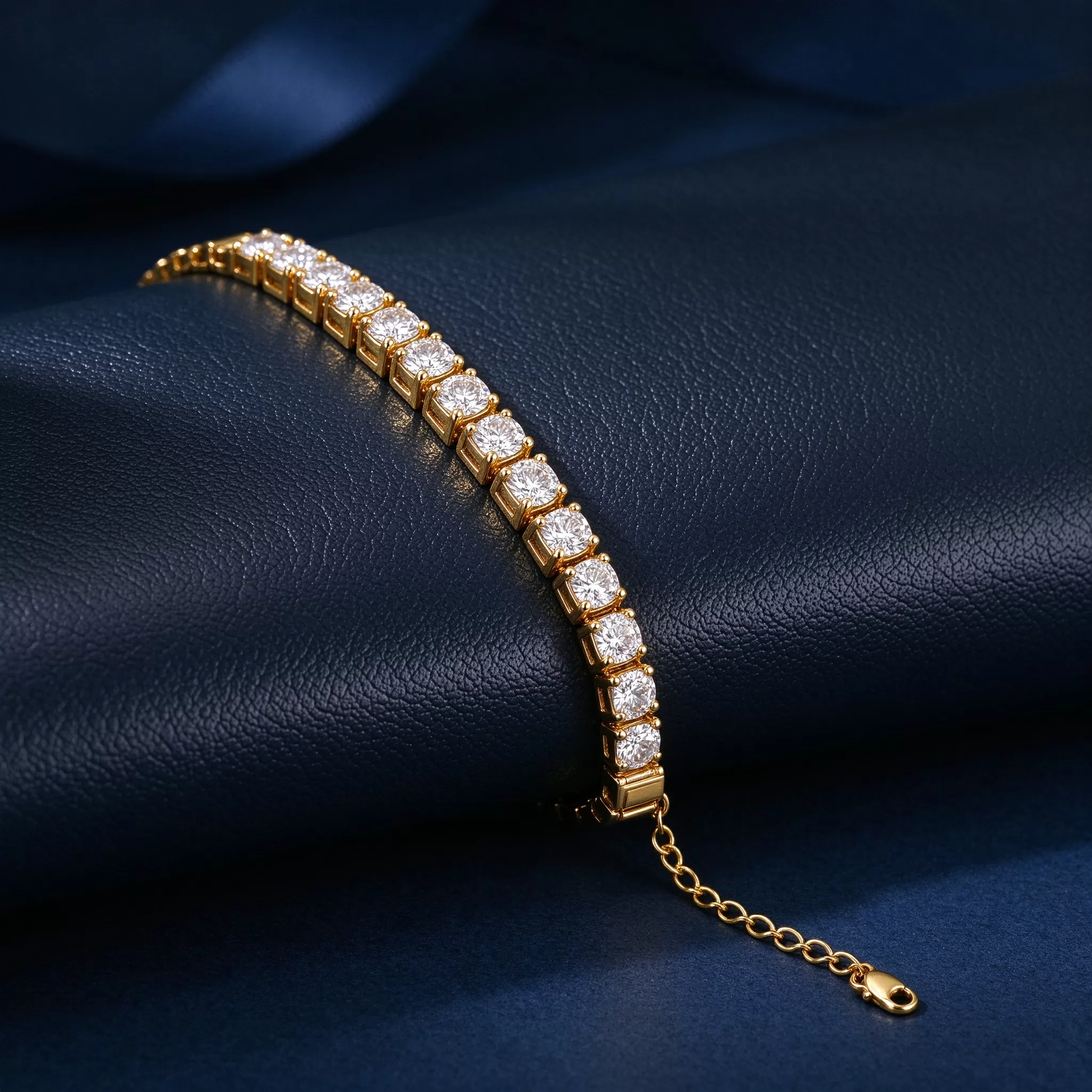
A moissanite ring is not a lifetime purchase without maintenance. Fingers change size over years, prongs loosen with daily wear, and accidents happen. The good news is that moissanite rings repair and resize very much like diamond rings — but there are a few specific things to know so you do not damage the stone or the setting. Whether you are a customer wondering about resizing or a jeweler advising a client, here is the practical guide to moissanite ring repair.
Can You Resize a Moissanite Ring?
Yes. Moissanite is stable under the moderate heat used in resizing. A jeweler can stretch, add or remove bands just as with a diamond ring. The stone itself will not be harmed by normal resizing temperatures. What matters is the setting: a ring with pavé stones along the band is harder to resize because the additional stones may shift, and a ring with a very wide or intricate shank may need more careful work. Simple solitaire bands resize easily by one or two sizes up or down.
Prong Tightening: The Most Common Repair
Over months of wear, prongs catch on fabric and loosen. A moissanite center stone is held by the same prongs as a diamond, and a loose stone must be tightened promptly. The repair is quick: the jeweler gently bends each prong back into place around the girdle. We recommend checking prongs once a year — tap the ring near your ear, and a faint rattle signals a loose stone.
Re-Tipping Worn Prongs
Years of wear can wear prongs thin until the metal tip is nearly gone. Re-tipping builds the prong back up with new gold and re-shapes it around the stone. This is normal, expected maintenance, not a sign of poor craftsmanship. It is far cheaper than replacing a lost stone, which is why annual checks matter.
What About Replacing a Moissanite Stone?
If a stone is chipped — rare, since moissanite is hard — it can be replaced. Because moissanite is grown and graded in standard sizes, a matching replacement stone is usually available quickly, unlike a unique mined diamond. This is one of the practical advantages of the material: replacement is straightforward and affordable.
Repairs to Avoid at Home
Some jobs belong on the bench. Do not attempt to tighten prongs yourself with pliers — it is easy to scratch the gold or chip the stone. Avoid ultrasonic cleaning on rings with delicate pavé or treated stones, and never use a jewelry cleaning dip on moissanite set in antique or plated settings. For everyday care, warm soapy water and a soft brush are safe. Our broader care guides cover cleaning routines, and our QC standards ensure stones arrive tightly set.
For Retailers: Educate Customers Early
Customers who understand that resizing and prong checks are normal return for service rather than abandoning the ring. Provide a care card noting annual prong checks and the local jeweler relationship. We support retail partners with repair guidance and resizing-friendly setting designs, so the pieces you sell age gracefully. Browse our moissanite rings to see settings built for long wear.
Frequently Asked Questions
Does resizing damage moissanite? No — the stone tolerates normal resizing heat; the jeweler protects it during work.
How often should I check prongs? Once a year, or sooner if you notice the stone moving.
Can a moissanite ring be resized more than once? Yes, within reason; repeated resizing eventually weakens the shank.
What if my moissanite chips? Replacement stones are readily available and affordable because moissanite is standardized.
How Often Should a Moissanite Ring Be Serviced?
Treat a moissanite ring like a diamond ring when it comes to routine service. Once a year, have a jeweler check the prongs and clean behind the stone. If you wear the ring every day and notice it catching on fabric, bring it in sooner — that catch is a prong signaling for attention. Beyond prong checks, a yearly inspection catches worn finish, stretched shanks and loose side stones before they become problems. A well-maintained moissanite ring stays brilliant and secure for decades, and the small annual service is far cheaper than replacing a lost stone.
What Actually Happens When a Prong Wears Down
Prongs are tiny, but they do the critical job of holding a stone. Over years of wear, a prong tip can thin from catching on fabric and surfaces. When it wears too far, it no longer wraps the stone, and the stone can shift — or fall out. The repair is called re-tipping: a jeweler builds the prong back up with fresh metal and reshapes it over the girdle. It is a normal, expected service, not a sign the ring was poorly made. A well-made moissanite ring will need re-tipping eventually, just as a diamond ring does, because prongs are sacrificial parts that wear so the stone stays safe.
The key is catching it early. Once a stone is loose, every day of wear is a risk. Make it a habit to tap the ring near your ear once a month; a faint rattle means a prong needs attention. Bring it in once a year for a checkup, even if nothing seems wrong. This preventative care is far cheaper than replacing a lost stone. We include prong checks in our inspection standards, and we advise retail partners to teach customers this simple habit.
Resizing a Ring With Pavé or Side Stones
A plain solitaire band resizes easily. A band set with pavé diamonds or moissanite is more delicate, because stretching or compressing the shank can shift the small stones. It still can be resized, but it should be done by an experienced jeweler who will check every side stone afterward. When you order a ring with a stone-set band, size it carefully from the start, because repeated resizing puts repeated stress on the row. If you expect your size to change — after weight changes, pregnancy, or seasonal swelling — tell your jeweler, who may recommend a slightly wider comfort-fit band that tolerates small size changes better. Our custom rings are designed with resizing in mind.
How Often to Service a Moissanite Ring
A moissanite ring needs the same routine care as a diamond ring. Once a year, have a jeweler check the prongs and clean behind the stone. If you wear the ring daily and notice it catching on fabric, bring it in sooner, because that catch is a prong signaling for attention. Beyond prong checks, an annual inspection catches worn finish and loose side stones before they become problems. A well-maintained moissanite ring stays brilliant and secure for decades, and the small annual service is far cheaper than replacing a lost stone. Teach this habit to your customers.