Most buyers open a moissanite category on a price filter and close it on a spec they cannot verify.

Category depth is seasonal, not constant
A Moissanite range that is deep in November is not automatically deep in May. Production schedules, stone supply and freight all move, and the buyer who plans against the calendar gets the depth when it matters. The range holds 1131 designs in this category.
The figure of 1131 is worth reconciling against your own shortlist before the quote, because it sets how much of the buy can be stock.
1131 designs means the shortlist can be assembled from stock patterns rather than from development requests.
Four windows to plan around
| Window | What to secure | Why |
|---|---|---|
| Pre-peak | Core builds and the entry price slot | Production slots fill first |
| Peak | Reorders on proven designs only | New development slows |
| Post-peak | Stretch designs and tests | Capacity returns |
| Quiet | Spec updates and sample runs | Cheapest time to change |
Why the quiet window is the useful one
Changes made in the quiet window arrive before the peak. Changes attempted during the peak arrive after it. That single timing difference explains most of the missed seasons in wholesale.
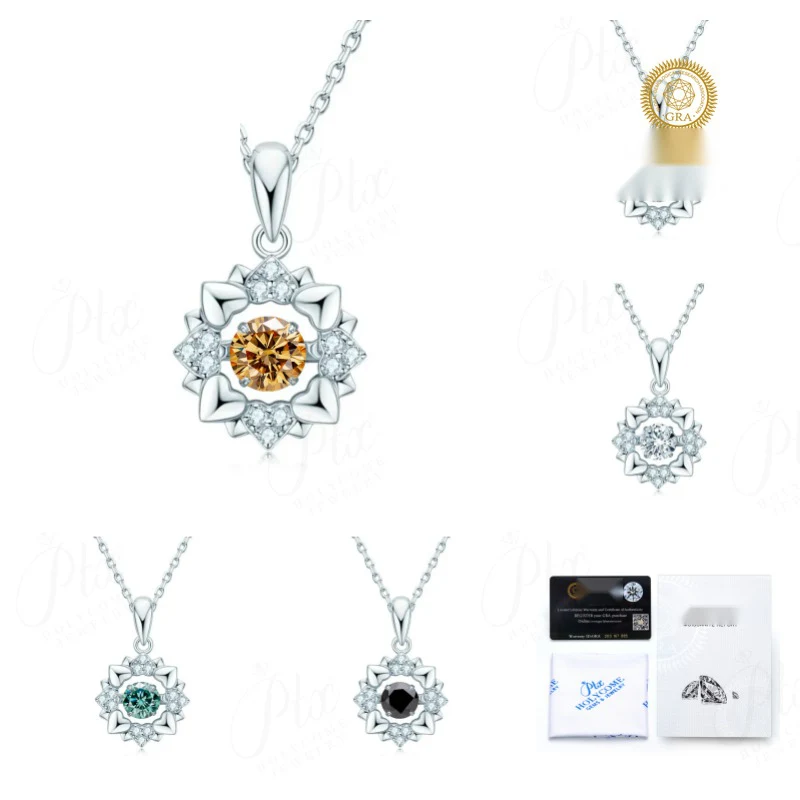
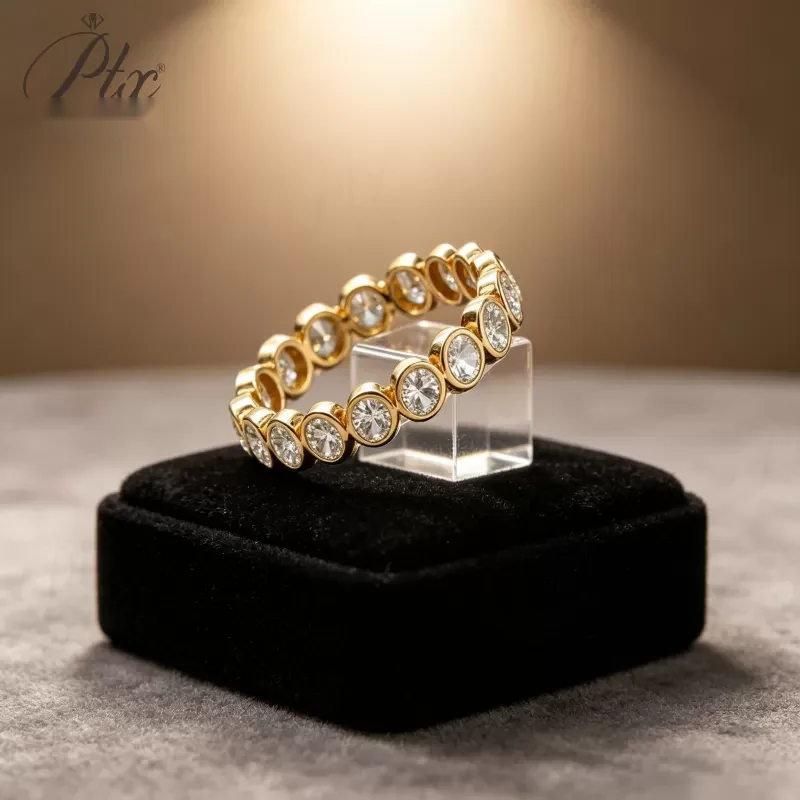
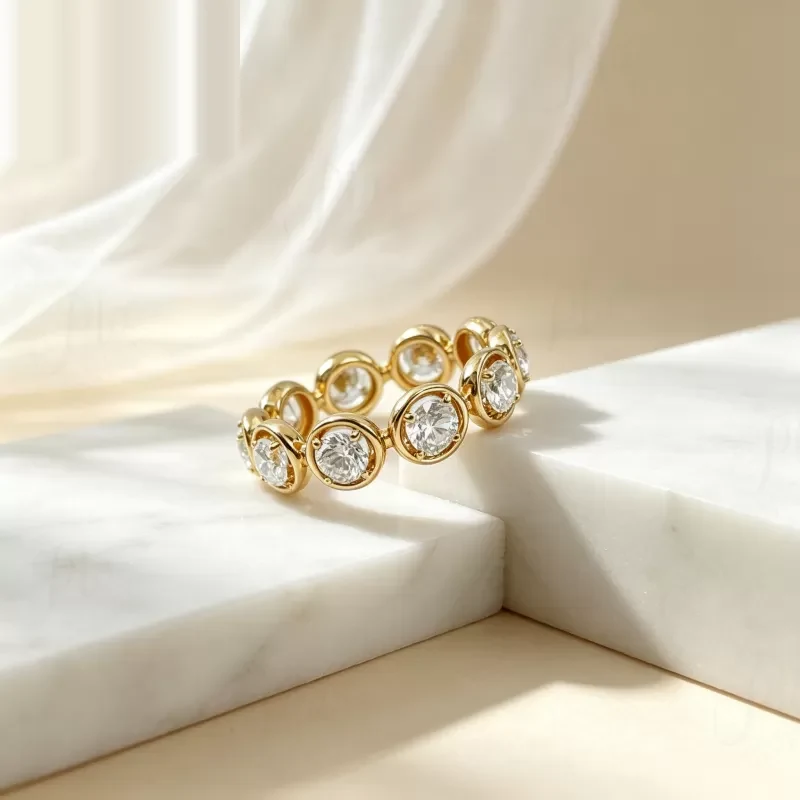
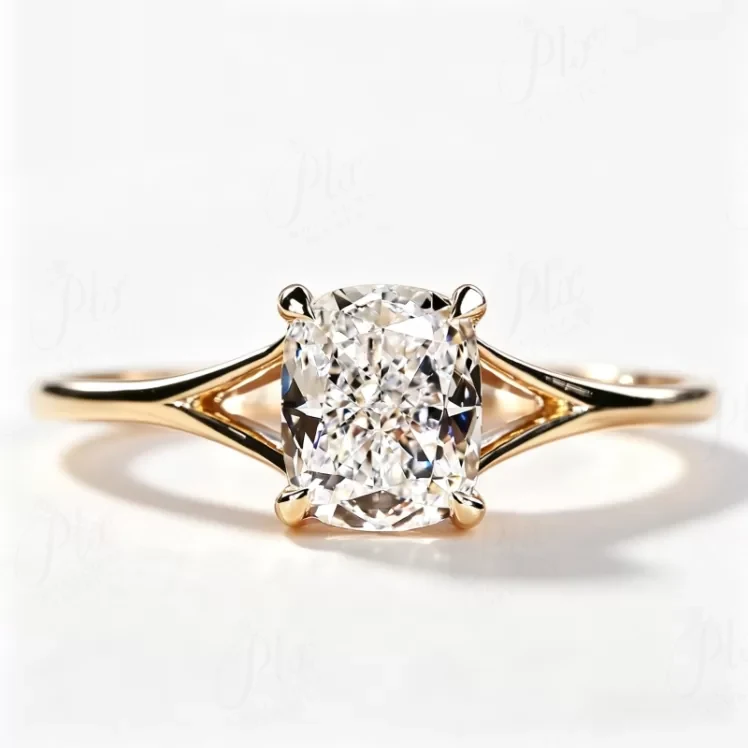
Reference designs in the range include 3/2.5/2mm GRA Moissanite Tennis Bracelet; Total 0.5ct Marquise Moissanite Tennis Bracelet; 1ct Round Cut D Color GRA Moissanite Ring.
Planning the year in five moves
- Fix the price slots before the pre-peak window
- Order samples in the quiet window, not in the peak
- Hold one stretch design for post-peak testing
- Confirm stone availability before committing quantities
- Review the calendar against actual shipment dates
Each move is about timing, not about volume, which is why it costs little to adopt.
What the calendar does to inventory
Seasonal planning turns a single large buy into two or three smaller ones timed to demand. That lowers the capital at risk and raises the chance the right design is in stock when the season starts.
Range snapshot: Moissanite by the numbers
| Dimension | Reading | Buying note |
|---|---|---|
| Designs on file | 1131 | Shortlist can come from stock patterns |
Read the snapshot before the shortlist: a category that is narrow in metal but deep in cut behaves differently from one that is the other way round.
Frequently Asked Questions
When should I place a peak-season order?
Early enough that production slots are still open, which usually means planning before the demand is visible.
Is it cheaper to order in the quiet season?
Often, because capacity is available and sampling does not compete with production.
How do I know the factory's calendar?
Ask for their production windows and compare with your own sell-through pattern. The two rarely align by default.
Should I hold stock through the quiet season?
Only for designs with proven repeat demand. Holding unproven designs through a quiet season is how dead stock is created.
What if the season shifts?
Review against actual shipment dates rather than the plan, and move the next order window accordingly.
If you want to work from the current range rather than from a catalogue PDF, send the two price slots you sell and the size bands you stock. We will reply with the designs that fit, the build on each, and the reorder path. HOLYCOME keeps the full range in one place.
The checklist below is the short version of everything above, and it is worth running before the quote rather than after the order.
- Confirm the design is a stock pattern and not a new build
- Match the base metal and finish against the spec sheet
- Check the stone origin wording before it goes on a listing
- Quote every design at the same MOQ tier before comparing
- Ask which design in the same price slot absorbs a stock-out