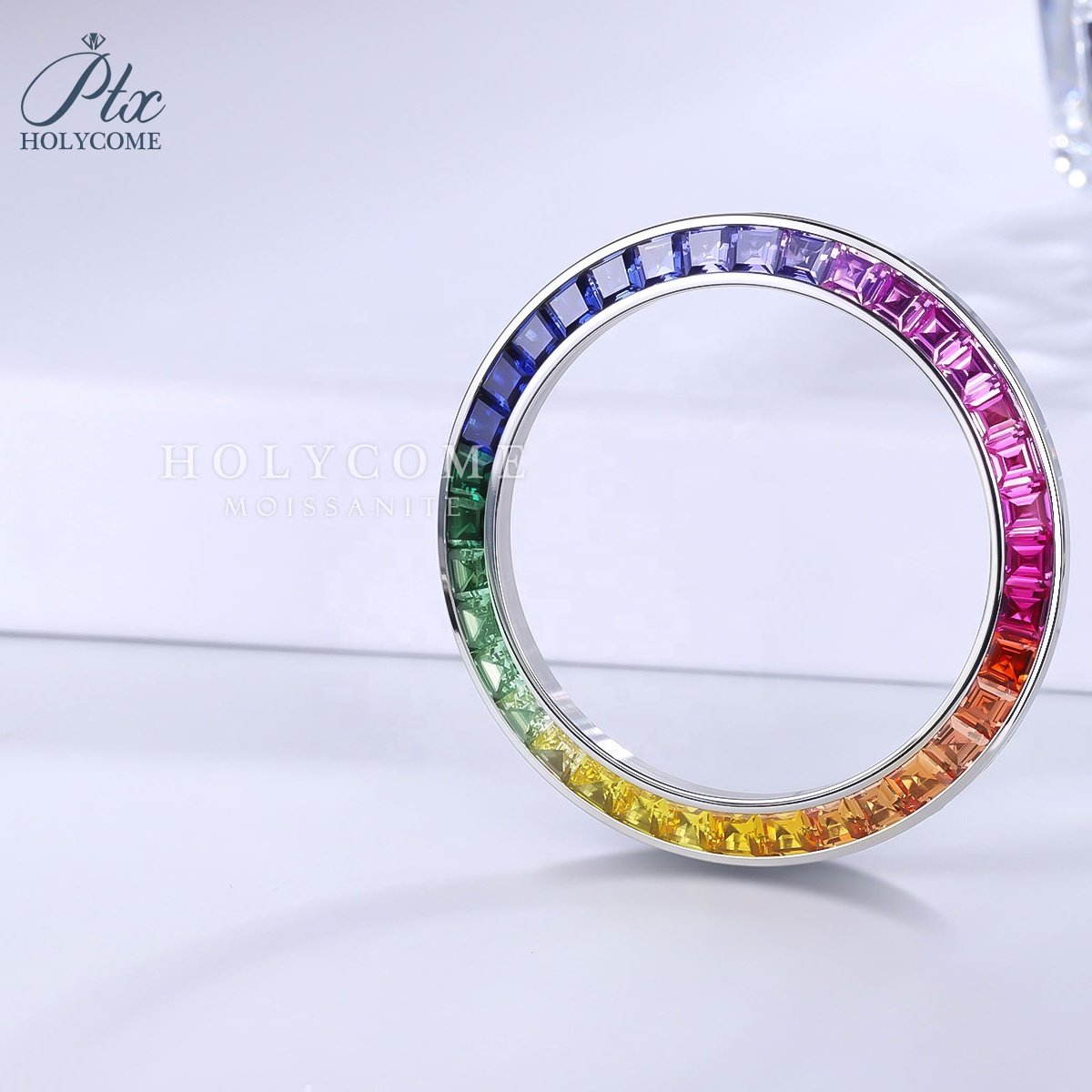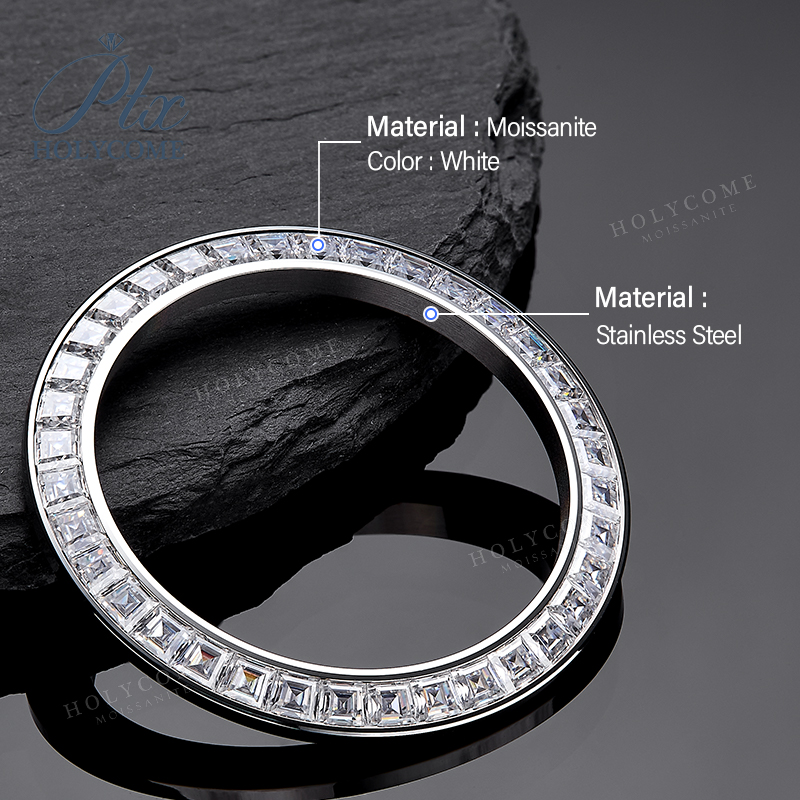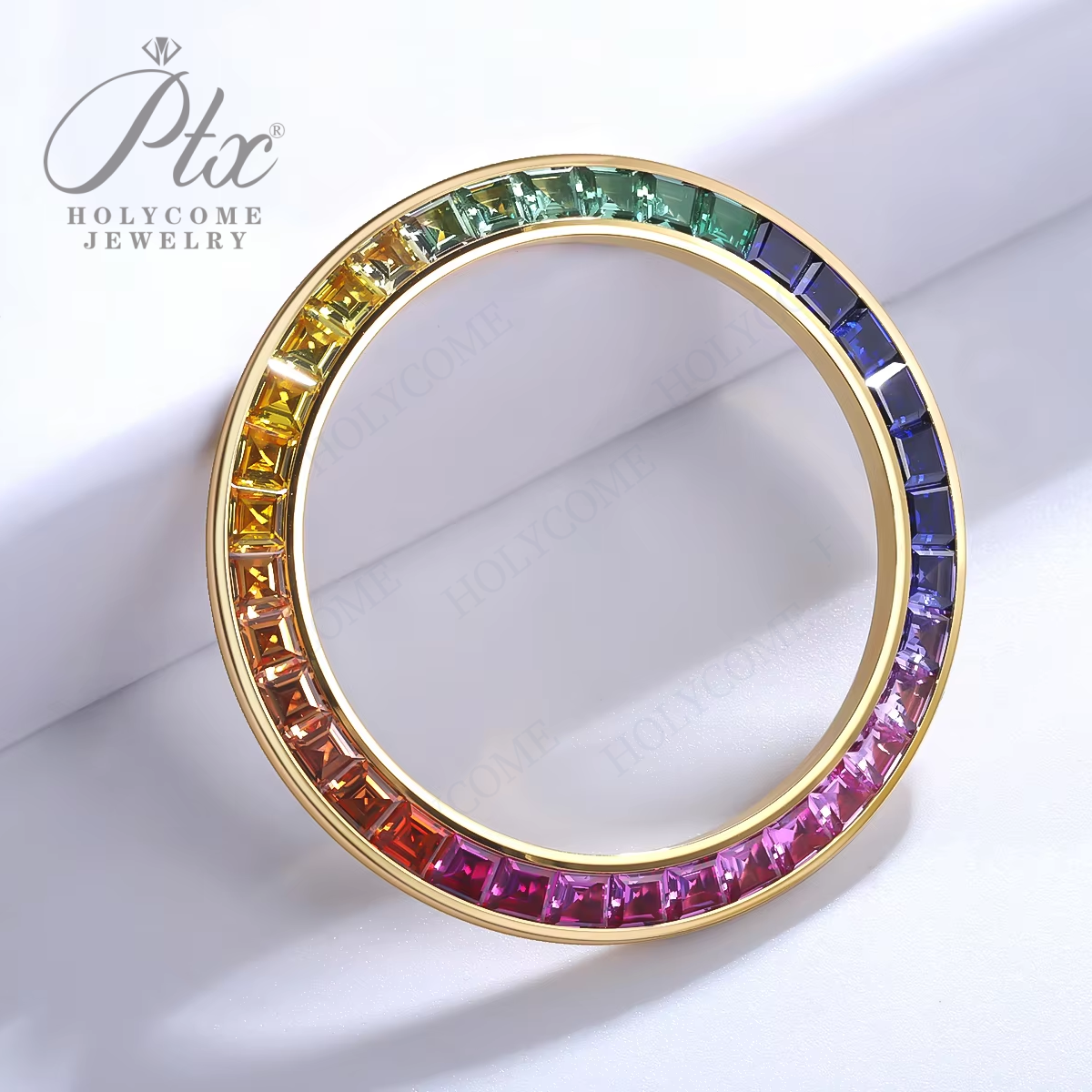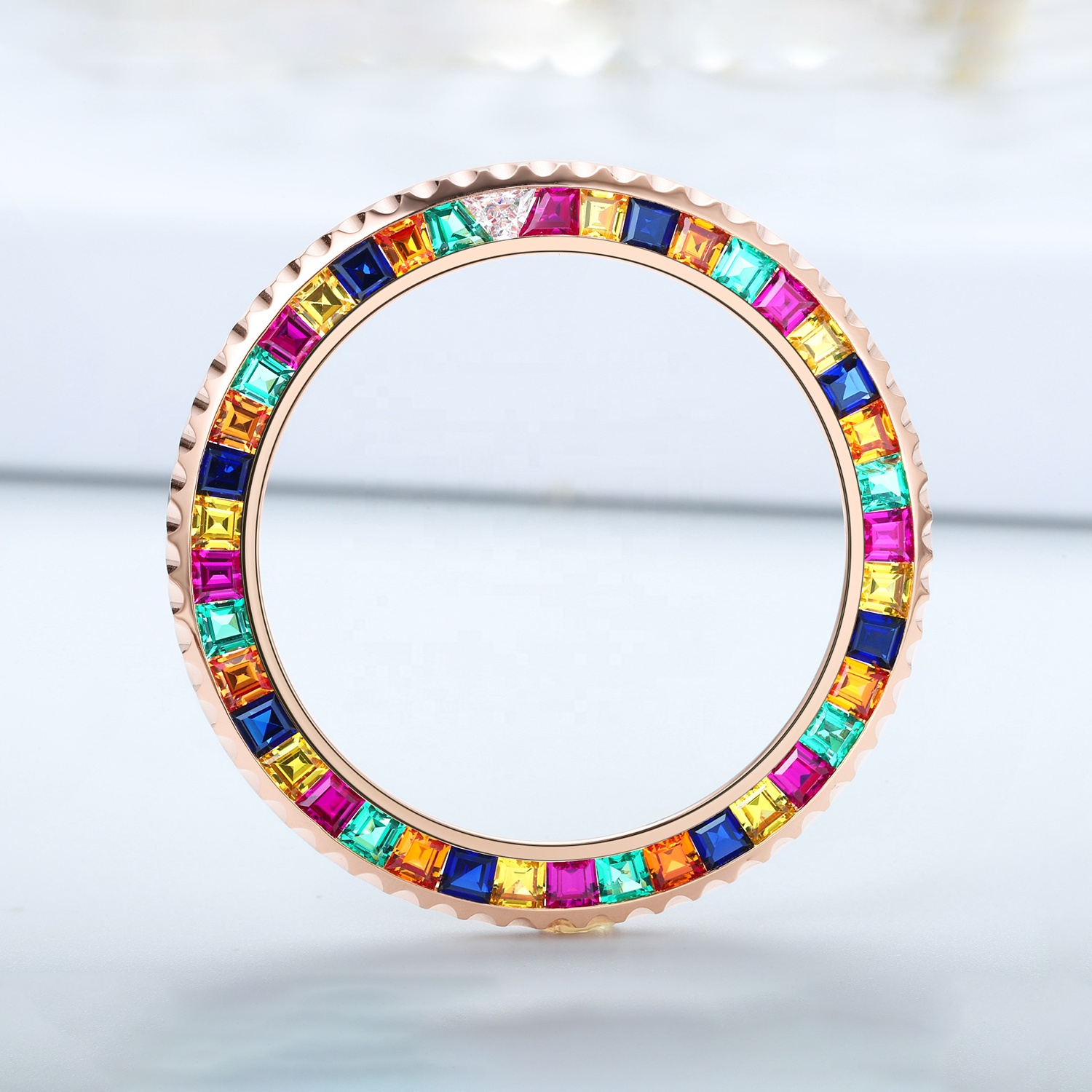
Most jewelry retailers treat a sale as an endpoint. A customer walks out with a ring, and the relationship goes quiet until they need a gift. Smart retailers treat the sale as the start. A stone upgrade or trade-up program is the simplest retention mechanic in the industry, and it works especially well with moissanite because the entry price is low enough that customers feel good about starting, but the upgrade path is clear enough that they come back.
What an upgrade program actually is
The core promise is simple: the customer buys a moissanite engagement ring today. If they return within a set window and trade up to a larger stone or a higher grade (per GIA's diamond grading standards), they receive credit toward the new purchase. In exchange, they keep the original ring in the store, or they turn in the original stone for credit. The customer gets a bigger stone at a discount. The retailer gets a returning customer, a trade-in stone that can be reused or recycled, and usually a follow-on sale on a wedding band or anniversary piece.
Design the rules before you announce them
A program without guardrails is a margin leak. Decide the following up front:
- Credit amount. Most programs credit 70 to 100 percent of the original stone purchase price, not the retail price of the whole ring. Labor, setting, and tax are not credited. This protects your margin on the setting work.
- Time window. Five years is the standard. Longer windows sound generous but tie up credit you cannot recover. Shorter windows reduce the retention effect.
- Eligibility. Credit applies only when the new stone is at least 1.5x or 2x the original stone's retail price. That guarantees you make money on the upgrade transaction.
- Original proof. The customer needs the original receipt, the GRA certificate, and the ring in sellable condition. No receipt, no credit.
- Credit form. Store credit only, not cash. Credit expires after twelve months from issue. This keeps the money in your store.
What to do with the trade-in stone
A traded-in moissanite stone is rarely in original factory condition. It has wear, possible prong marks, and a setting history. Do not resell it as a new stone. Repurpose it into a sample, a stage stone for window displays, or a lower-tier line. If the stone is in excellent shape, it can be recut and repolished, but budget for that cost. Never pass a traded-in stone to a customer as "new."
How to market the program without sounding desperate
Mention the upgrade promise at the moment of sale, not as a hard sell. A natural line: "This ring comes with our upgrade program. If in a few years you want to go to a larger stone, we credit the original stone price toward the new one. Keep your receipt and your certificate." Most customers will not remember the details, but they will remember that you offered a path. That alone brings them back to you instead of a competitor when the anniversary arrives.
Send a reminder email at the three-year and five-year marks. Do not discount heavily on those emails; simply remind them the program exists and invite them in to look at upgrades. The in-store visit is the sale.
Pair it with the rest of your retention stack
An upgrade program works best when it sits inside a broader retention system. Layer it with the strategies in building loyal jewelry clients, the average-order-value plays in increasing average order value, and the anniversary band range in moissanite anniversary and eternity bands. The upgrade customer is already in the store; that is the moment to show them the stacking band they did not know they wanted.
Common upgrade program mistakes
The first mistake is offering credit on the entire ring, including the setting and labor. That sounds generous but destroys margin on the follow-up sale. Credit the stone only, and price the new setting work separately. The second mistake is no proof requirement. Without the original receipt and certificate, you have no way to verify the customer bought the ring from you, and the program becomes a free discount on any trade-in. The third mistake is letting credit expire in a way that feels punitive. A twelve-month expiry from issue is fair, but remind the customer in writing when they receive the credit note, not on the expiry date.
The fourth mistake is refusing to take back a ring with wear. Customers expect their traded-in ring to show some wear; they wore it. Inspect it, set expectations, and credit the stone regardless of scuffs, because the stone itself is what you are reusing. Being reasonable on wear builds the kind of word-of-mouth that no ad buy can match.
A trade-up program costs you almost nothing to run and converts one-time buyers into multi-purchase clients. The retailers who skip it are leaving the next ring on someone else's counter.
Frequently Asked Questions
Is moissanite a good diamond alternative for retail buyers?
Yes for price-sensitive customers who want brilliance and hardness. Moissanite ranks 9.25 on the Mohs scale, holds up to daily wear and costs a fraction of a natural diamond of the same size, so it resells fast in bridal and fashion lines.
What is the minimum order for wholesale moissanite?
MOQ starts at 50 pieces per design for stock items. Custom cuts and private-label settings usually start at 100–300 pieces depending on the mold.
Do you provide certificates with moissanite stones?
Yes. Every parcel ships with GRA or IGI documentation listing carat weight, color grade and cut. We recommend passing the certificate to your end customer for trust.
How long does sample and bulk production take?
Samples ship in 3–5 days. Bulk runs take 15–20 days under 500 pieces, and 25–30 days for custom work.