Diamond retailers who add moissanite (per Wikipedia) usually do one of two things. They either treat it as a discount diamond—priced low, displayed next to solitaires, quietly cannibalizing the bridal ticket—or they treat it as a separate product line with its own customer, its own margin, and its own story. The second approach makes money. The first one erodes the diamond business that paid for the store.
The customer is not the same shopper
A diamond engagement buyer wants a certified, gradeable, heirloom stone. She will pay five figures because the ring is a signal and an investment. A moissanite buyer wants the look of a bridal stone at a price she can pay in cash, and she is not shopping for an heirloom—she is shopping for a ring she will wear daily without anxiety about a lost stone. Those buyers overlap less than you think. Most moissanite buyers would not have bought a diamond at all; they would have bought a CZ or walked away. Treating them as downgraded diamond shoppers insults both groups.
Margin math favors moissanite on the ticket
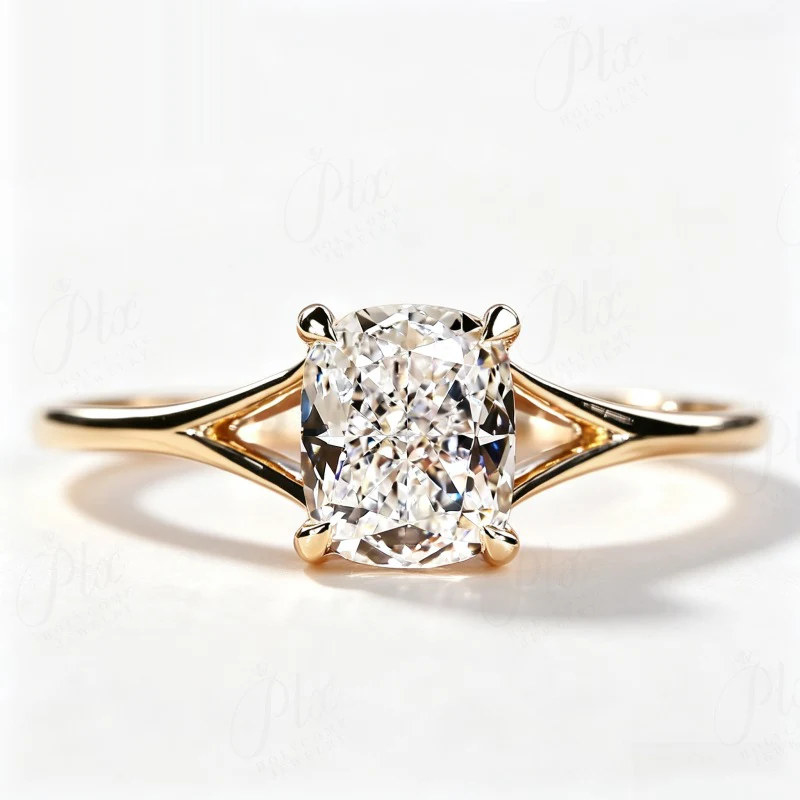
A 6.5mm moissanite solitaire in 14K might wholesale for under a hundred dollars and retail for four to six hundred. A comparable one-carat diamond solitaire wholesales at a few thousand and retails near five figures. The absolute margin on the diamond is larger, but the percentage margin on the moissanite is far healthier, and the cash tied up in inventory is a fraction. For a boutique that cannot tie tens of thousands in a single solitaire, moissanite turns cash faster than diamond can.
Anchor moissanite against diamond, but do not compete
The retail conversation works best when you let the diamond price do the anchoring. A shopper who knows a one-carat diamond is near five figures will naturally understand what a $500 moissanite solitaire means. Do not push the comparison—let the price point do the work. Place the moissanite case in a different section of the store from the diamond bridal wall, with its own signage and its own storytelling. Mixing the two on one tray makes the diamond look overpriced and the moissanite look like a consolation prize.
Position moissanite as everyday luxury and alternative bridal
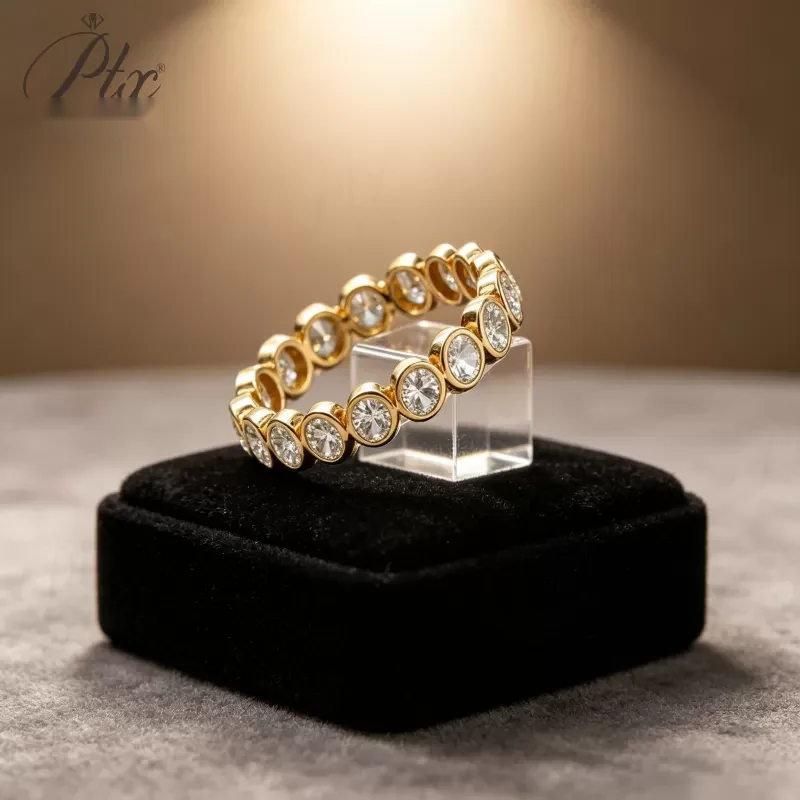
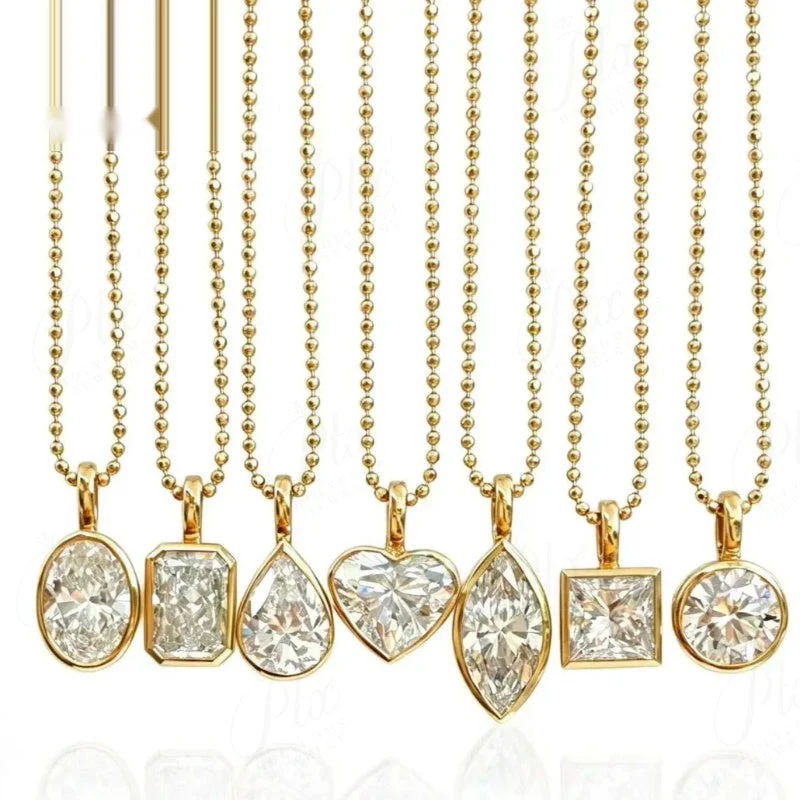
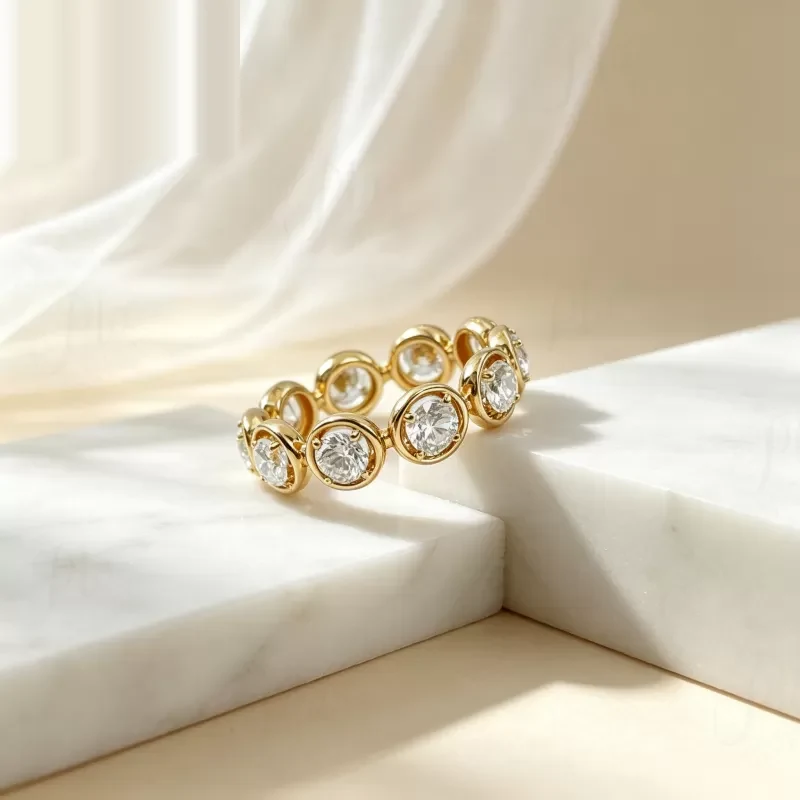
Two customer segments buy moissanite repeatedly. The first is the alternative bride—budget-conscious, sustainability-minded, or allergic to the diamond-mining narrative. The second is the everyday-luxury shopper who wants a 2-carat look on a 6-figure salary. Stock for both: solitaires and bridal sets for the first, tennis bracelets, studs, and fashion rings for the second. The everyday-luxury buyer will spend more across a year than the one-time bride.
Do not discount your way into the line
The temptation when a moissanite SKU sits is to slash the price. Resist. Moissanite prices collapse fast when shoppers see the same ring for $99 online. Hold your price, and if a piece moves slowly, bundle it—a free pair of studs, a free cleaning for a year, a free resize—rather than cutting the ticket. The price you set in year one becomes the price your customers expect in year two.
Train staff to sell both, not to compare them down
The risk when a diamond jeweler adds moissanite is that staff start discounting the diamond against the moissanite in the customer's head. "This diamond is five thousand, but that moissanite is five hundred" sounds helpful and is actually harmful—it plants the doubt that the diamond is overpriced. The cleaner script is to present the two as different answers to different questions. "If you want a certified heirloom stone, here is the diamond wall. If you want a bridal look you can wear every day without worry, here is the moissanite case." Staff trained this way sell both without cannibalizing either.
Defend against online price pressure
Moissanite is sold online at razor-thin margins, and shoppers will bring up a $99 ring they saw on a phone. Your counter has a defense the website does not: the piece in their hand, the certificate on the counter, and a shop that will resize, re-plate, and stand behind the piece for years. Price your moissanite at a level that funds that service, and say so when a shopper compares. "You can buy it cheaper online, but when the stone loosens you will mail it to a warehouse." Most customers, especially brides, will pay for the local option.
Build a service loop that brings both buyers back
Moissanite buyers come back for resizing, re-plating, and matching pieces. That foot traffic is also diamond foot traffic. A customer who bought a moissanite solitaire from you at 25 may walk back at 35 for her first diamond anniversary band. The moissanite sale is not a lost diamond sale—it is the first step in a longer relationship. Buyers who want to see the SKUs that earn that return visit can start from moissanite rings and build out the everyday-luxury wall around them.
Frequently Asked Questions
Is moissanite a good diamond alternative for retail buyers?
Yes for price-sensitive customers who want brilliance and hardness. Moissanite ranks 9.25 on the Mohs scale, holds up to daily wear and costs a fraction of a natural diamond of the same size, so it resells fast in bridal and fashion lines.
What is the minimum order for wholesale moissanite?
MOQ starts at 50 pieces per design for stock items. Custom cuts and private-label settings usually start at 100–300 pieces depending on the mold.
Do you provide certificates with moissanite stones?
Yes. Every parcel ships with GRA or IGI documentation listing carat weight, color grade and cut. We recommend passing the certificate to your end customer for trust.
How long does sample and bulk production take?
Samples ship in 3–5 days. Bulk runs take 15–20 days under 500 pieces, and 25–30 days for custom work.