Buyers do not fail on necklaces because the design is wrong; they fail because the range was never read as a range.

Drift happens between the sheet and the page
The spec sheet says one thing, the product page says another, and the difference is discovered by a customer rather than by the buyer. The range holds 412 designs in this category.
Parity is a maintenance habit, not a one-time edit: every design change has to land on the page the same week.
With 412 designs on file, the reorder path usually exists before the first order is placed.
The figure of 412 is worth reconciling against your own shortlist before the quote, because it sets how much of the buy can be stock.
The fields that drift first
| Field | How it drifts | Fix |
|---|---|---|
| Metal | Plating described as solid | Copy the base metal verbatim |
| Stone | Origin dropped from the title | Name the stone and its origin |
| Carat | Rounded up for emphasis | Use the weighed figure |
| Size | Converted with inconsistent rounding | Publish one conversion table |
| MOQ | Old figure left after a change | Date-stamp every MOQ edit |
Why stone origin drifts most
Origin is the field with legal weight and the field most often softened for readability. A title that drops the word lab-grown reads, to most shoppers, as a natural stone. That is a disclosure failure, not a copy preference.
A parity check that takes an hour
- Pull the spec sheet for every live design
- Compare metal, stone, carat, size and MOQ field by field
- Flag any page where an adjective exceeds the sheet
- Fix the page, not the sheet, unless production changed
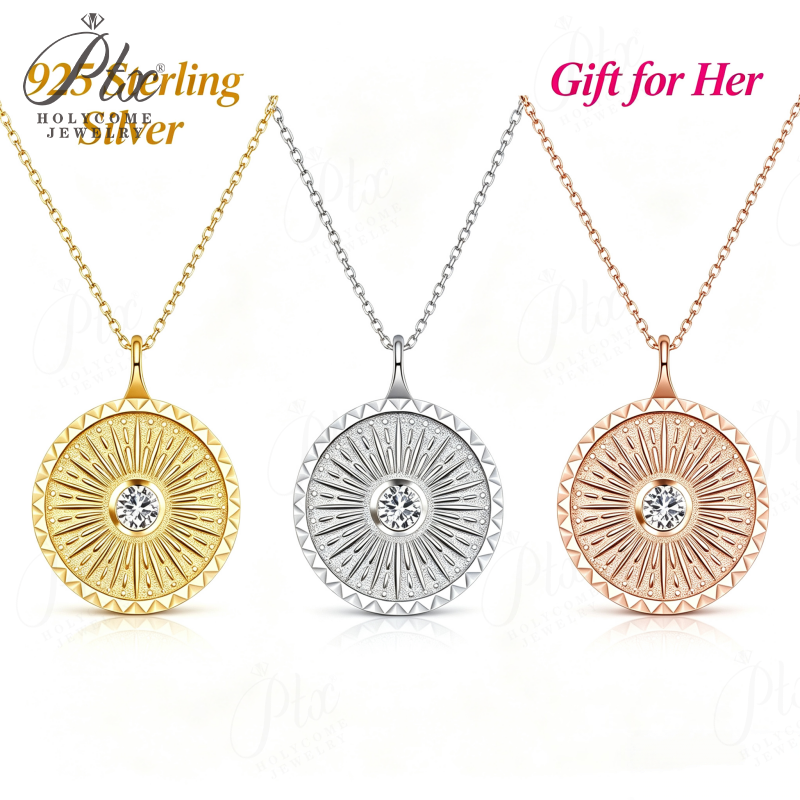
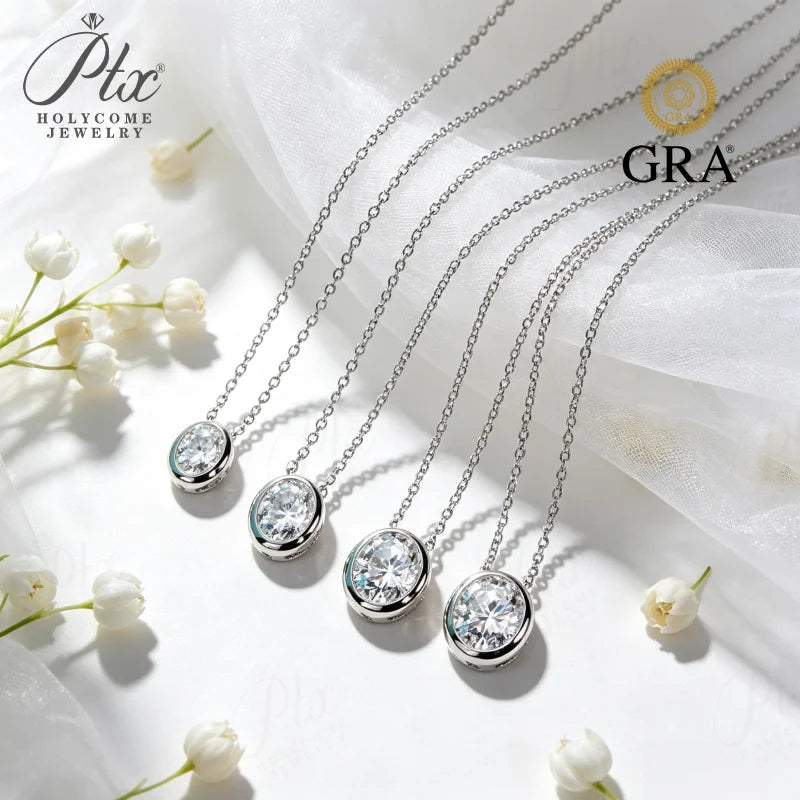
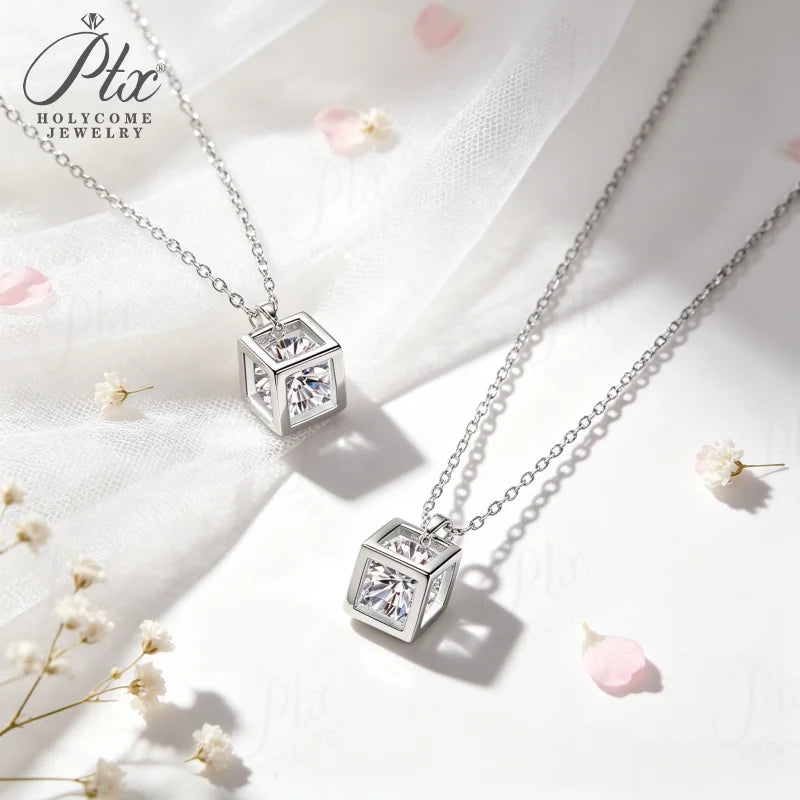
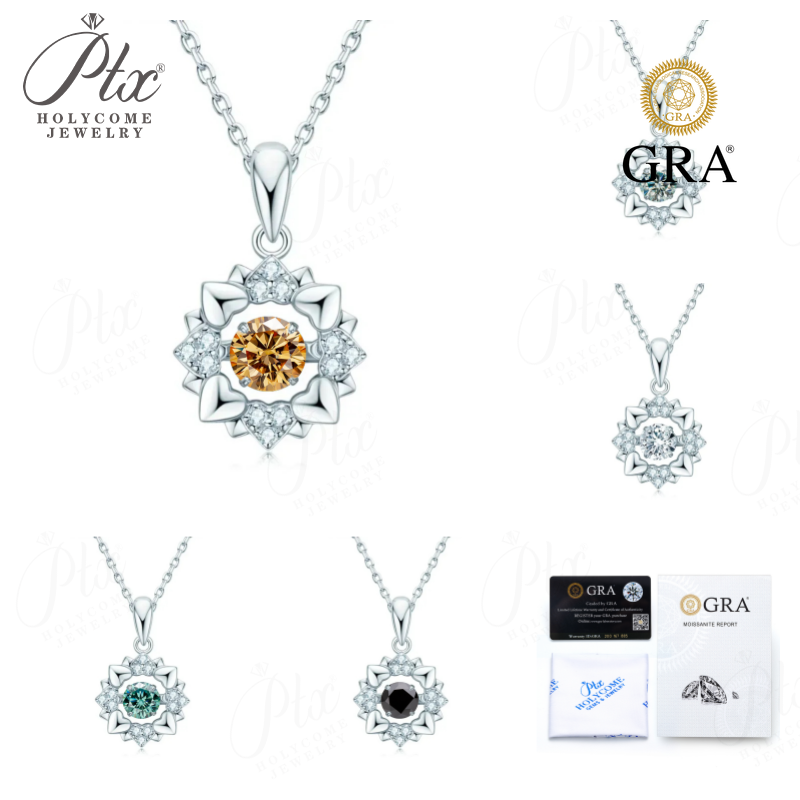
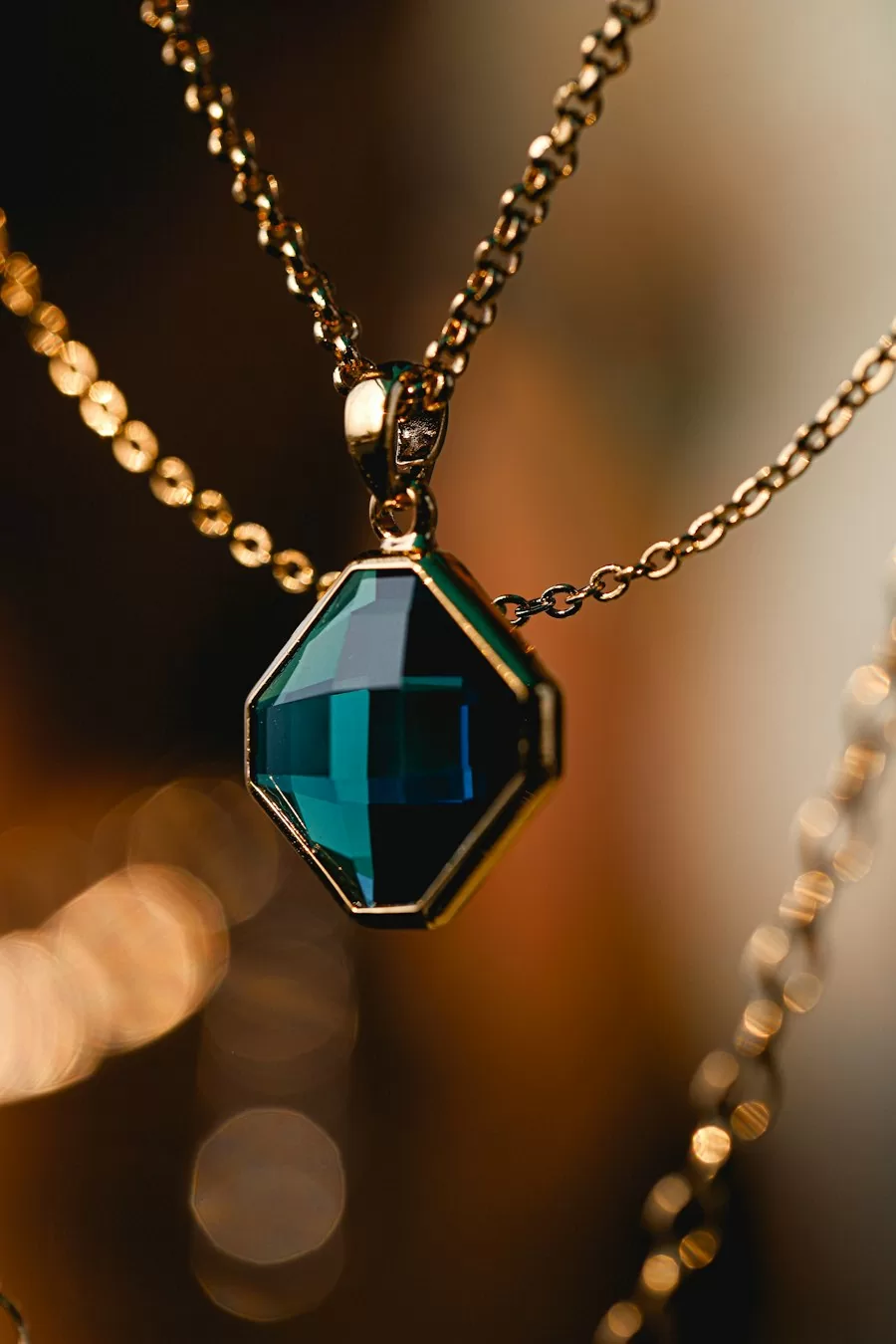
Reference designs in the range include IGI Certified Lab Grown Diamond Marquise Pendant Necklace; 14K/18K Gold Radiant Cut Lab Diamond Necklace; 18K Gold Pear/Emerald Cut Lab Diamond Pendant Necklace.
What parity buys you
Fewer returns, fewer pre-sale questions, and a listing that survives a dispute. It also makes the category page trustworthy enough to carry the price point without a discount.
Range snapshot: Necklaces by the numbers
| Dimension | Reading | Buying note |
|---|---|---|
| Designs on file | 412 | Shortlist can come from stock patterns |
Read the snapshot before the shortlist: a category that is narrow in metal but deep in cut behaves differently from one that is the other way round.
Frequently Asked Questions
How often should listings be re-checked?
Whenever a design changes, and on a fixed cycle for the rest. Parity decays silently otherwise.
Is it acceptable to simplify stone descriptions?
Only if the simplified wording still states the origin. Simplifying the sentence is fine; removing the origin is not.
Who should own parity?
Whoever updates the catalog. If production changes a field, the page change belongs to the same task, not a later one.
Does parity affect SEO?
It affects trust and returns more directly, and inconsistent pages also tend to drift on the terms buyers search for.
What if the sheet itself is wrong?
Fix the sheet first, then the page. Copying a wrong sheet onto a page doubles the error.
If you want to work from the current range rather than from a catalogue PDF, send the two price slots you sell and the size bands you stock. We will reply with the designs that fit, the build on each, and the reorder path. HOLYCOME keeps the full range in one place.
The checklist below is the short version of everything above, and it is worth running before the quote rather than after the order.
- Confirm the design is a stock pattern and not a new build
- Match the base metal and finish against the spec sheet
- Check the stone origin wording before it goes on a listing
- Quote every design at the same MOQ tier before comparing
- Ask which design in the same price slot absorbs a stock-out