Most buyers open an other jewelry category on a price filter and close it on a spec they cannot verify.
Most defects are visible in the first ten minutes
Incoming inspection is not a full re-inspection. It is a fast check against the spec sheet on the fields that fail most often. The range holds 3003 designs in this category.
Ten minutes per carton catches the majority of build drift before it reaches a customer.
A range of 3003 designs is deep enough that a shortlist of six can be drawn without leaving a price slot empty.
The figure of 3003 is worth reconciling against your own shortlist before the quote, because it sets how much of the buy can be stock.
The ten-minute sequence
| Step | Check | Reject signal |
|---|---|---|
| 1 | Count against the packing list | Short or substituted designs |
| 2 | Metal stamp and tone | Stamp missing or tone uneven |
| 3 | Stone seating, reverse side | Any movement under light pressure |
| 4 | Size against the ordered band | More than one size out |
Why the reverse side is the fastest check
Loose stones show at the back first. Tilting the piece under a lamp and looking at the gallery takes seconds and catches the defect that would otherwise become a return.
Recording what you find
- Photograph the defect, not the design
- Record the design code and the carton
- Note whether the defect is build or transit
- Keep a running rate per design, not per shipment
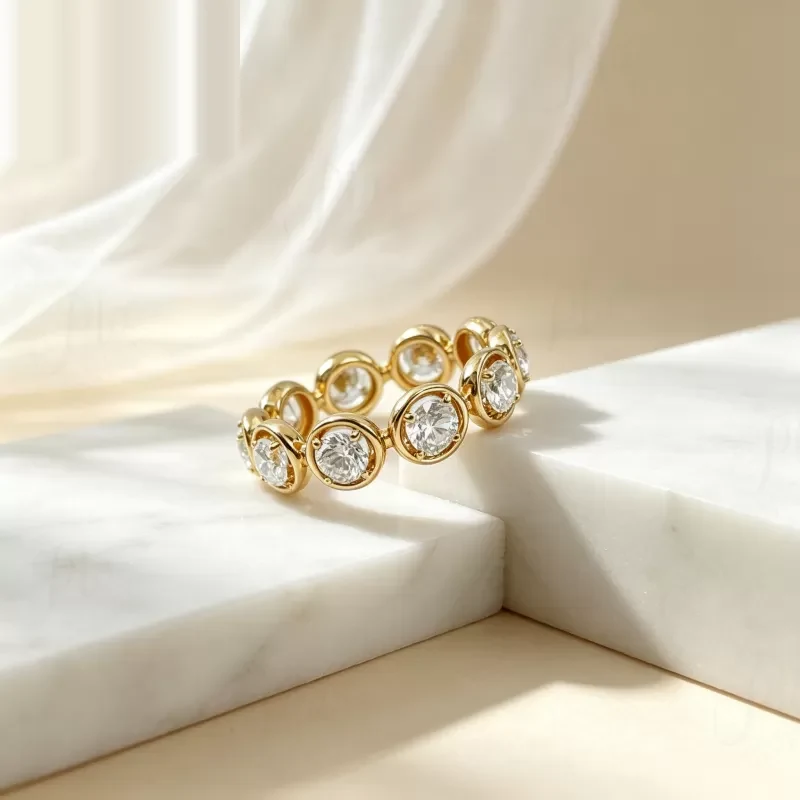
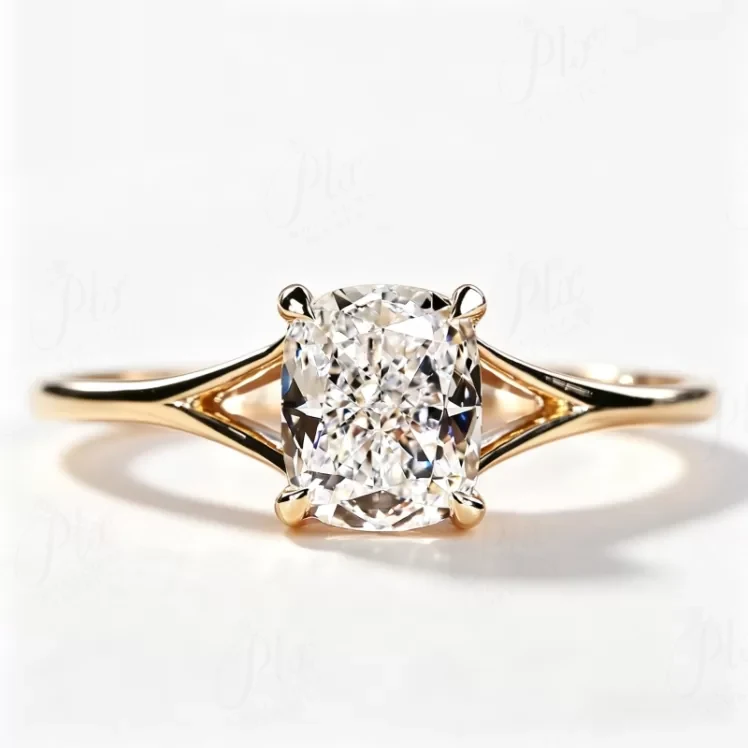
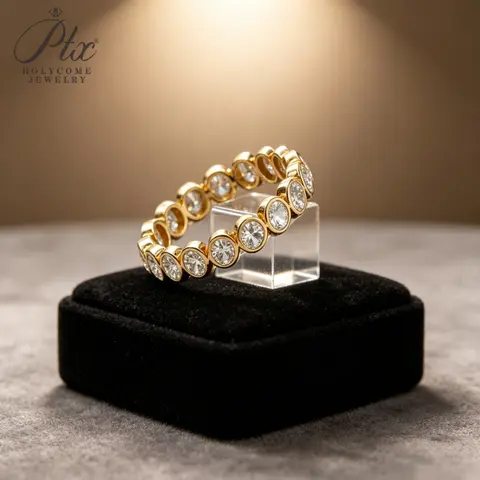
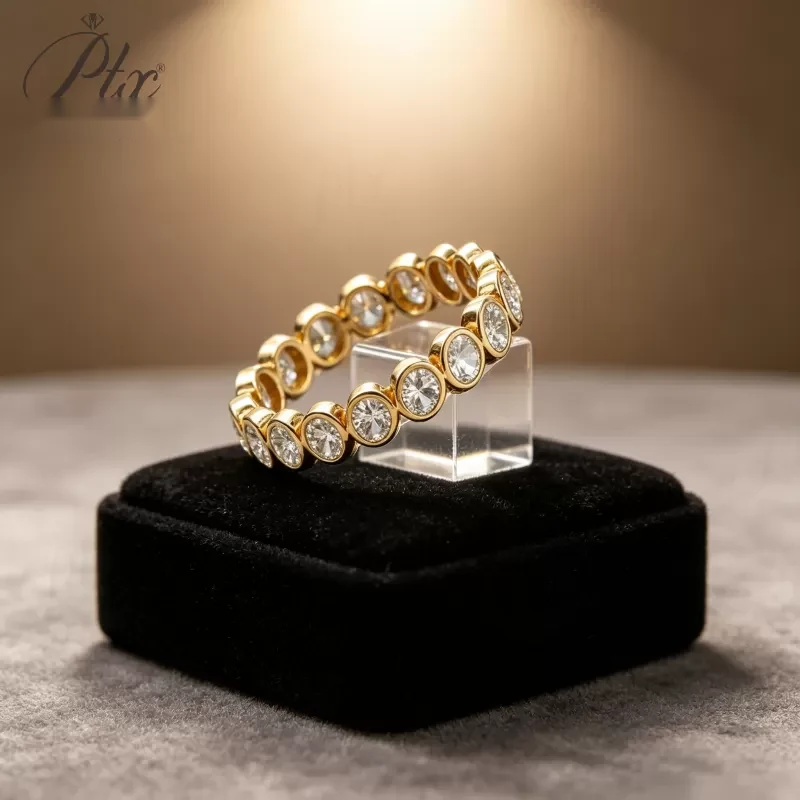
Reference designs in the range include 18K Gold Lab Grown Diamond Oval Cut Engagement Ring; IGI Certified Lab Diamond Round Cut Ring, 14K/18K Gold; 14K/18K Gold IGI Lab Diamond Wedding Band Ring.
What the record changes
A defect rate per design tells you which line to drop and which to keep. A defect rate per shipment only tells you that something went wrong once.
Range snapshot: Other Jewelry by the numbers
| Dimension | Reading | Buying note |
|---|---|---|
| Designs on file | 3003 | Shortlist can come from stock patterns |
Read the snapshot before the shortlist: a category that is narrow in metal but deep in cut behaves differently from one that is the other way round.
Frequently Asked Questions
Do I need to inspect every carton?
Sampling is normal, but the sample has to be random and recorded. Inspecting only the top layer teaches nothing.
What is the most common incoming defect?
Loose stones and plating tone variation. Both are visible in the first minutes if the reverse side is checked.
Should I reject a whole carton for one defect?
Only if the defect is systemic. One piece is a note; the same defect across the carton is a rejection.
How do I track supplier quality over time?
By defect rate per design, not per order. The design-level figure is what informs the reorder.
Is QC the buyer's job or the factory's?
Both, at different stages. Incoming QC is the last cheap point before the customer.
If you want to work from the current range rather than from a catalogue PDF, send the two price slots you sell and the size bands you stock. We will reply with the designs that fit, the build on each, and the reorder path. HOLYCOME keeps the full range in one place.
The checklist below is the short version of everything above, and it is worth running before the quote rather than after the order.
- Confirm the design is a stock pattern and not a new build
- Match the base metal and finish against the spec sheet
- Check the stone origin wording before it goes on a listing
- Quote every design at the same MOQ tier before comparing
- Ask which design in the same price slot absorbs a stock-out