Buyers do not fail on pt950 platinum because the design is wrong; they fail because the range was never read as a range.

The repair path is decided at purchase
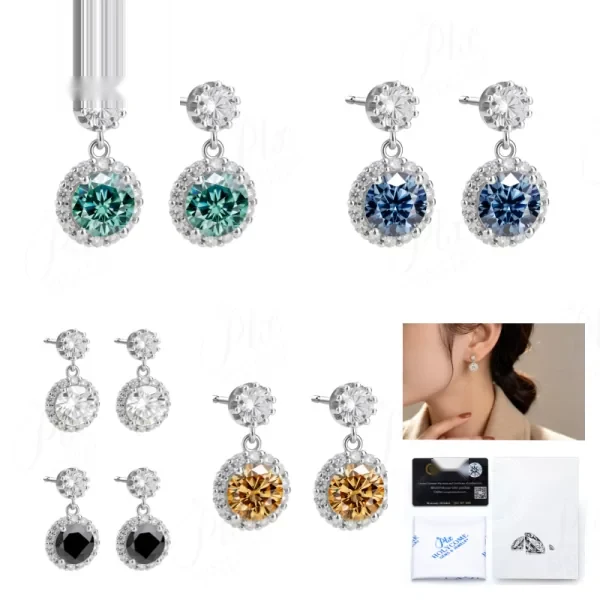
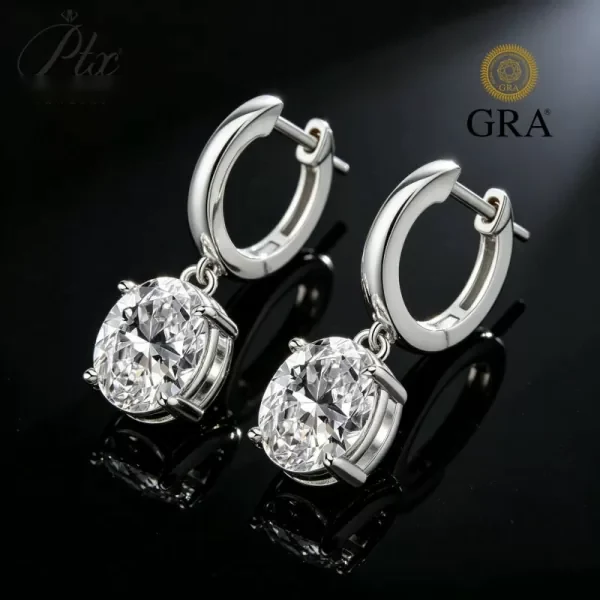
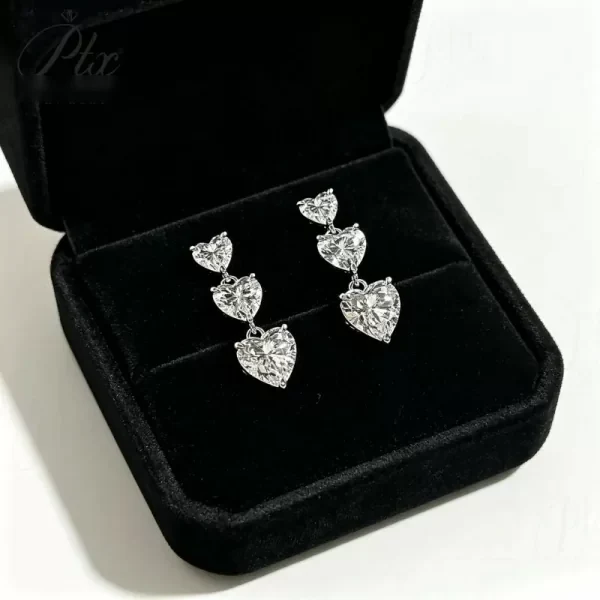
Whether a PT950 Platinum design can be repaired depends on the setting type and the metal, both of which are fixed before the first sale. The range holds 3003 designs in this category.
Buyers who ask about the repair path before ordering tend to have fewer returns than buyers who ask after.
The figure of 3003 is worth reconciling against your own shortlist before the quote, because it sets how much of the buy can be stock.
3003 designs means the shortlist can be assembled from stock patterns rather than from development requests.
What is repairable, by build
| Build | Typical repair | Limit |
|---|---|---|
| Prong setting | Re-tip or replace a stone | Repeated work thins the prongs |
| Bezel setting | Refinish only | Stone replacement needs a rebuild |
| Plated base | Replate once or twice | Each cycle removes base material |
| Solid gold | Resize, re-tip, repolish | Cost scales with metal weight |
Why plating limits the repair path
A plated piece can be refinished, but every cycle takes a little of the base with it. After two cycles the surface starts to show the difference, which is why the wear window has to be explained at the point of sale.
Setting type and stone security
A bezel protects a stone better than prongs and is harder to repair. A prong setting is easy to re-tip and easier to damage. Neither is better in the abstract; the choice depends on how the piece will be worn.
- Ask which setting the range uses before committing
- Confirm whether the stone can be replaced without a rebuild
- Check that the repair cost is quoted per operation, not per hour
Writing the care line that prevents disputes
The care instruction should match the build, not the aspiration. A plated design needs a different line from a solid gold one, and the listing is where that line belongs.
Range snapshot: PT950 Platinum by the numbers
| Dimension | Reading | Buying note |
|---|---|---|
| Designs on file | 3003 | Shortlist can come from stock patterns |
Read the snapshot before the shortlist: a category that is narrow in metal but deep in cut behaves differently from one that is the other way round.
Frequently Asked Questions
Can a plated ring be replated?
Usually yes, once or twice, depending on the base. Each cycle removes a little material, so the finish is not indefinitely renewable.
Is a bezel setting harder to repair?
Stone replacement usually requires a rebuild. Refinishing is straightforward. That trade-off should be part of the buying decision.
Should I offer repairs as a service?
Only if you can quote them per operation and have a bench that can do the work. Otherwise the promise becomes a liability.
What causes the most repair requests?
Loose stones in prong settings and plating wear at the shank. Both are predictable from the build.
Does repair cost affect the retail price?
It affects the total cost of ownership, which is why the care line and the setting choice belong in the same conversation.
If you want to work from the current range rather than from a catalogue PDF, send the two price slots you sell and the size bands you stock. We will reply with the designs that fit, the build on each, and the reorder path. HOLYCOME keeps the full range in one place.
The checklist below is the short version of everything above, and it is worth running before the quote rather than after the order.
- Confirm the design is a stock pattern and not a new build
- Match the base metal and finish against the spec sheet
- Check the stone origin wording before it goes on a listing
- Quote every design at the same MOQ tier before comparing
- Ask which design in the same price slot absorbs a stock-out