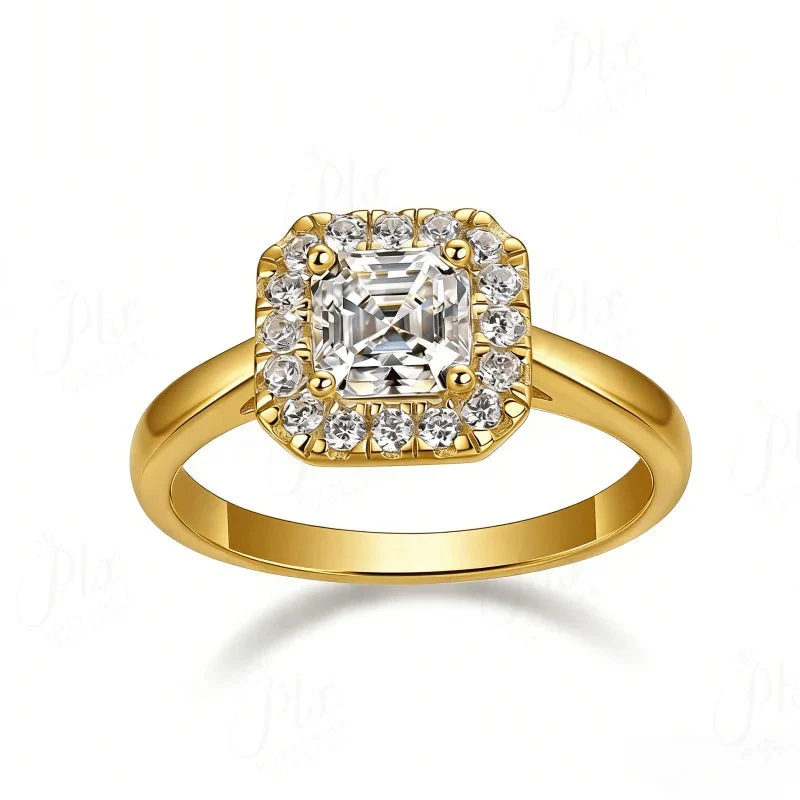
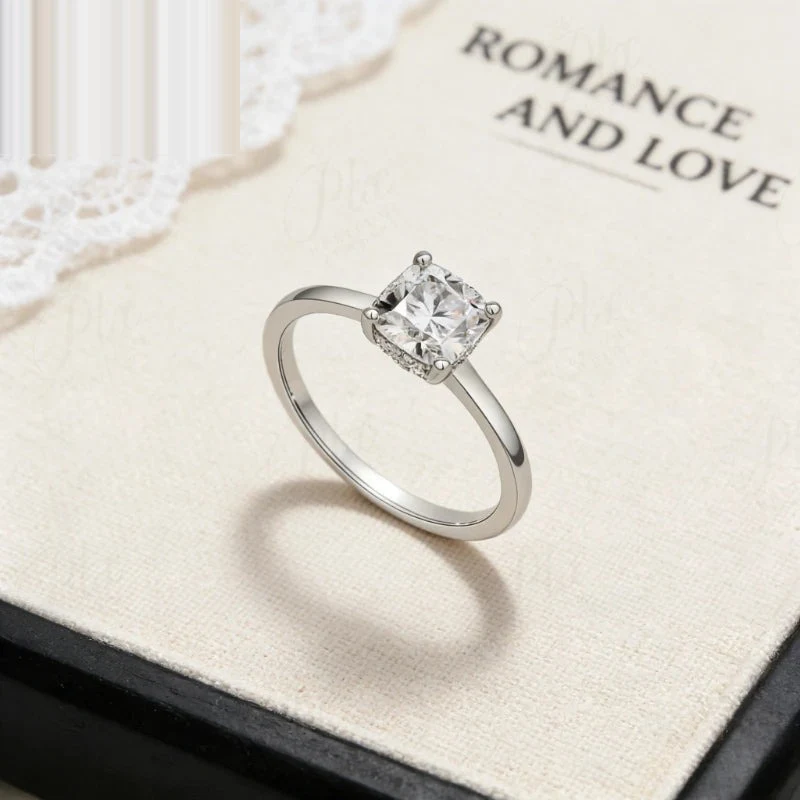
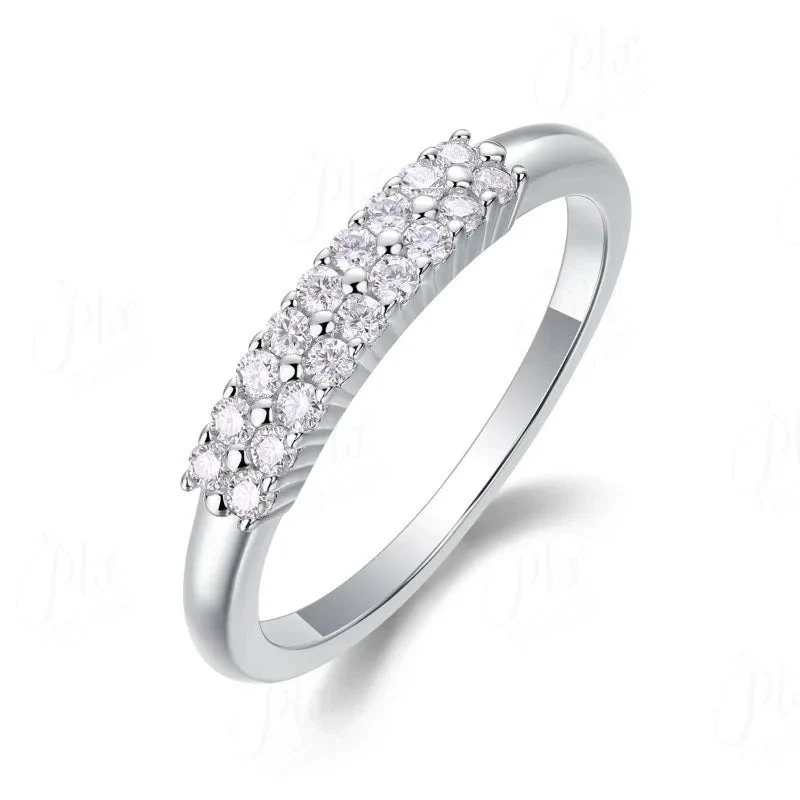
On rings, size is the number one return reason that has nothing to do with taste. A half-size drift inside one lot is enough to turn a clean program into a stream of exchanges.
Where size drift comes from
Three sources: the mould or CAD allowance, the polishing loss at the inner face, and the size stick used at the bench. On rings, a 0.15 mm polishing loss is half a US size on a ring.
Ask which size standard the factory works to, US, UK or EU, and whether the stick is calibrated. Factories that answer vaguely are measuring by feel.
Compare five cost lines instead of two totals. Metal, stone, labour, finishing and overhead explain a gap that a single number hides.
Specifying the size run
Write the size curve, not just the range: for example US 5 to 9 with 20 percent at 6 and 7, 15 percent at 5 and 8, and 10 percent at 9. A flat curve leaves you with the extremes unsold.
Add the tolerance: plus or minus 0.1 mm on the inner diameter, measured after polishing, on rings.
| Measure | Tool | Tolerance | Frequency |
|---|---|---|---|
| Ring inner diameter | Ring gauge | ±0.1 mm | 10 per size |
| Chain length | Tape | ±5 mm | 10 per SKU |
| Clasp opening | Caliper | ±0.2 mm | 5 per SKU |
| Ear post length | Caliper | ±0.5 mm | 10 per SKU |
Read the table as a checklist rather than a recommendation. The right row depends on the price band, the wear pattern and the channel you sell into.
Keep the CAD file and the mould receipt. Ownership is a document, not an understanding.
Incoming measurement
Measure ten pieces per size with a ring gauge or caliper at the inner diameter. Record the result by size. A lot that drifts at one size is a mould problem; a lot that drifts across all sizes is a stick problem.
For chains and bracelets, measure the clasp and the total length, and check the extension chain if the design has one.
Repair and resize policy
Ask whether the design can be resized, and by how many sizes. An eternity band or a full-channel setting often cannot. That limitation belongs in the listing, not in the return conversation.
On rings, a resizable design is worth a small price premium because it removes a whole category of returns.
Capacity is the constraint that price cannot solve. In peak season a cheaper factory with no slot is more expensive than a dearer one with a date.
What to check before the order
Run the five checks below in order. The first two protect the money, the last three protect the launch date.
- Name the size standard in the PO.
- Write the size curve, not only the range.
- Measure after polishing, not before.
- Record drift by size, not as an average.
- State resize limits in the listing.
If a supplier cannot answer three of the five, treat the quote as a starting point rather than a plan. Ask again in writing and keep the answer with the PO.
Frequently Asked Questions
Why do rings sizes vary inside one lot?
Usually polishing loss at the inner face or an uncalibrated size stick. Ask for the post-polish measurement.
Should I use US or EU sizing?
Use the market you sell into. For US retail, US sizing with a stated tolerance is the cleanest.
Can a ring be resized after plating?
Yes, but the plating at the joint needs rework. Ask for the replating cost before you promise a resize.
How many pieces should I measure?
Ten per size for a first lot, five per size after that, plus every piece in a complaint sample.
What tolerance is realistic?
Plus or minus 0.1 mm on the inner diameter after polishing is a fair commercial standard.
Should I buy stock or made to order?
Stock for the top three designs, made to order for the tail. Stock cover is a calculation from sell-through and lead time.
Send the rings size range and market. We return the size curve, the tolerance sheet and the resizing limits for each design. See the full range at Rings and HOLYCOME.
The short version: specify the number, seal the sample, inspect against both. Everything else is negotiation.