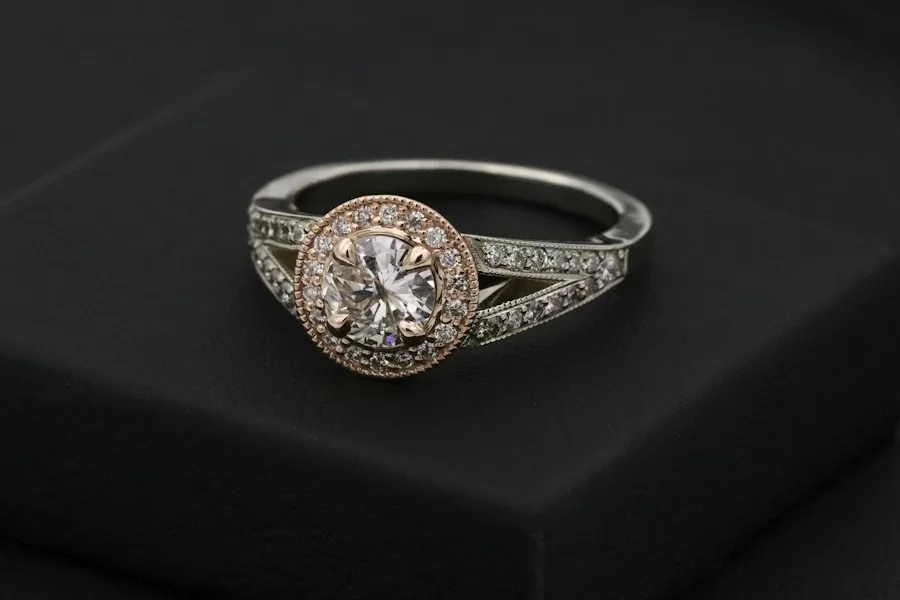
Picture a customer who loves the ring, tries it on, and finds it slightly too loose on the knuckle. If you only stock full sizes in that setting, they leave to "think about it" and rarely come back. A ring that is close but not quite right is one of the quietest reasons engagement sales die at the counter. The fix is not more shapes. It is better sizing.
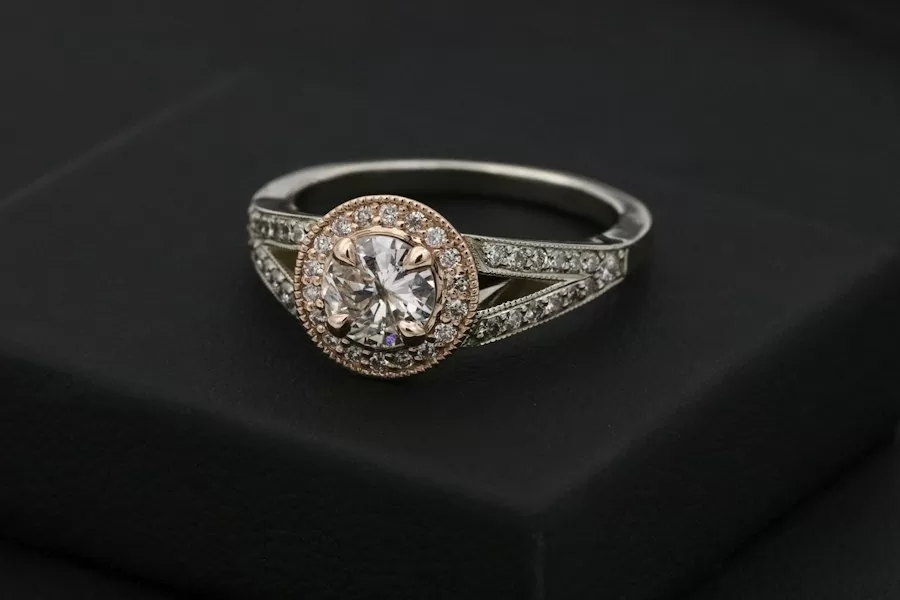
Ring sizing is often treated as an afterthought in buying, but it is one of the highest-leverage decisions in your bridal plan. Get it right and you convert more walk-ins; get it wrong and your best settings sit unsold simply because they never fit the hand in front of you.
Start from your size history
Most buyers fall into a narrow band. Women's engagement rings commonly land between size 5 and 7.5, with 6 and 6.5 being the busiest. Men's bands cluster around 9 to 11. If you have past sales data, pull the sizes that actually sold last season rather than guessing. That history is far more useful than any generic chart, and it should drive where you place your half sizes.
Why half sizes win you sales
A half size is the difference between "feels perfect" and "almost fits." In the most popular sizes, carrying half sizes lets a customer leave with the ring the same day instead of waiting on a resize. That immediacy matters enormously on a proposal timeline, when the buyer wants the ring in hand before a planned date. For your fast-moving solitaire settings, budget half sizes in the middle of the demand band and keep full sizes at the edges where demand is thinner.
Plan for resizing anyway
No assortment fits every customer, so build a resizing plan into your service. Know which settings resize cleanly and which do not. A thin band with a plain shank usually sizes up or down easily. A fully pavé eternity band cannot be resized by more than a hair, which is exactly why those are sold by precise measurement rather than off-the-rack. For more on how fit interacts with design, see our guide to ring sizing and fit.
Loose stones versus finished rings
If you buy mostly loose moissanite stones and set locally, sizing is almost a non-issue because you set to the customer's exact measurement. That flexibility is a real advantage. If you buy finished rings, sizing becomes an inventory problem you have to solve deliberately. Many retailers run a hybrid: a handful of finished bestsellers in common sizes for instant sale, plus a loose-stone library for custom fit. That mirrors the logic in loose moissanite versus finished ring buying strategy.
Pricing resizing into the deal
Decide up front whether resizing is complimentary, a flat fee, or a premium. A modest, clear resizing policy removes friction at the counter. Customers will happily pay a known fee rather than gamble on a ring they hope fits. Staff should always measure the customer's finger properly, never guess—a half-size mistake here is the one sizing error that creates a return visit nobody wants.
Measure properly, every time
A surprising number of sizing problems come from measuring at the wrong moment. Finger size shifts with temperature, time of day, and even salt intake, so measure when the hand is at a normal temperature and not first thing on a cold morning. Use a proper ring mandrel and ask the customer to slide the ring on and off comfortably—it should pass over the knuckle without forcing. Measure the finger in the late afternoon when possible. Getting this right the first time eliminates the single most avoidable reason a beautifully chosen ring ends up back at your bench.
For the buyer ordering from you remotely, sizing is even more sensitive. A partner trying to surprise someone will guess at a ring size, and that guess is usually wrong. Make it easy for them: offer a discreet sizer they can borrow, or a clear resizing policy that lets them swap the size after the proposal without guilt. Stores that remove the fear of getting it wrong win more of those surprise sales than stores that treat sizing as fixed and final.
It is a small detail with outsized payoff: fit is the first thing a customer feels, and it is the easiest one for you to get right.
Treat sizing as a product category on its own. Map your sold sizes, stock half sizes where demand is densest, and know exactly how each setting can be adjusted. Do that and the customer who almost walked out will instead leave wearing the ring—and tell the story of how perfectly it fit.
For third-party reference, the Wikipedia article on moissanite details moissanite’s discovery, optical properties and use in jewellery.
Frequently Asked Questions
Is moissanite a good diamond alternative for retail buyers?
Yes for price-sensitive customers who want brilliance and hardness. Moissanite ranks 9.25 on the Mohs scale, holds up to daily wear and costs a fraction of a natural diamond of the same size, so it resells fast in bridal and fashion lines.
What is the minimum order for wholesale moissanite?
MOQ starts at 50 pieces per design for stock items. Custom cuts and private-label settings usually start at 100–300 pieces depending on the mold.
Do you provide certificates with moissanite stones?
Yes. Every parcel ships with GRA or IGI documentation listing carat weight, color grade and cut. We recommend passing the certificate to your end customer for trust.
How long does sample and bulk production take?
Samples ship in 3–5 days. Bulk runs take 15–20 days under 500 pieces, and 25–30 days for custom work.