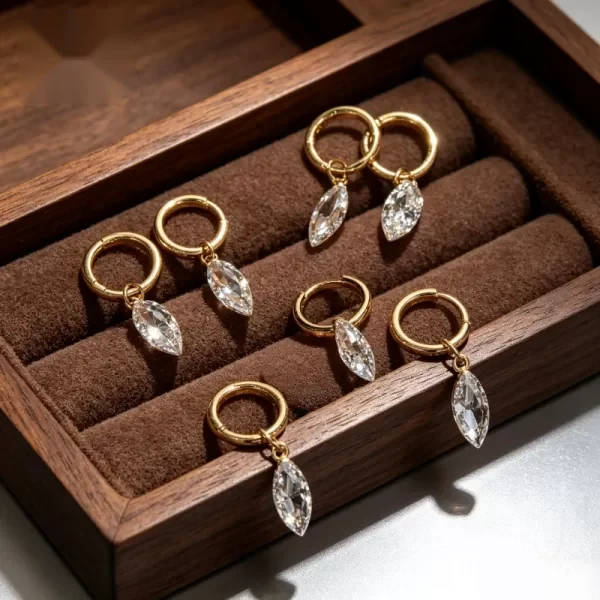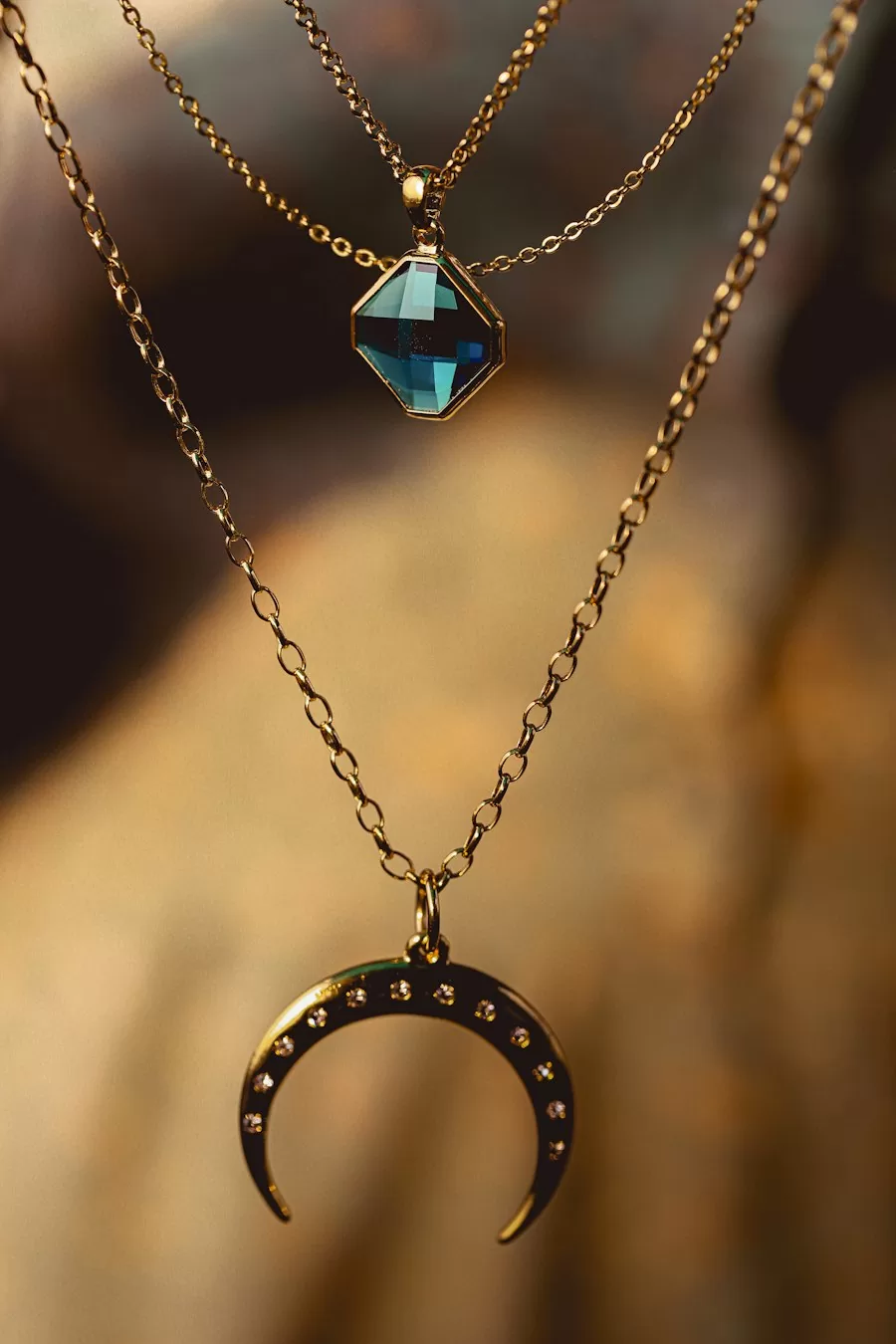
Most independent jewelers treat a bridal sale as a single transaction. The couple buys the engagement ring, maybe a wedding band, and walks out. A small number of forward-thinking stores instead turn that customer into a registry couple, and that decision quietly doubles their lifetime value. A well-run moissanite bridal gift registry keeps your store relevant through the engagement, the wedding, anniversaries, and baby showers.

The mechanics are simpler than many retailers assume. You are not building software. You are building a curated list of giftable pieces that the couple approves, then making it easy for guests to buy from you. Moissanite happens to be an ideal registry category because it covers every price point a guest might need, from a $150 pair of stud earrings to a $3,000 anniversary band.
Why moissanite fits a registry better than diamonds
Guests do not want to overthink a registry purchase. They want something attractive, recognizable as real jewelry, and priced clearly. Moissanite checks all three boxes. A 6.5mm solitaire stud reads as a half-carat diamond to the naked eye, retails well under diamond pricing, and carries the durability to survive daily wear. When a mother of the groom opens your registry and sees a tennis bracelet she can actually afford, she buys it from you instead of from a department store.
The couple also benefits. Because moissanite costs a fraction of a comparable-looking diamond, the registry can include pieces they genuinely want rather than settling for items within an arbitrary budget. A registry populated with moissanite allows guests to contribute meaningfully rather than pooling small amounts toward one impossible item.
What to put on the list
Structure the registry around gifting occasions, not around your best sellers. Guests shop by budget and relationship. Tier the list so there is always an obvious choice:
- Under $200: moissanite stud earrings in 4mm and 5mm, a single moissanite pendant, a thin stacking band.
- $200 to $600: small tennis bracelets, halo studs, layered pendant sets, and plain 18k gold bands for the wedding party.
- $600 to $1,500: moissanite tennis necklaces, three-stone pendants, and matching band sets.
- $1,500 and up: upgrade options like an anniversary eternity band, a heavier tennis bracelet, or a paired earring and necklace set.
Keep the list short, between fifteen and twenty-five items. A registry with eighty pieces confuses guests and dilutes your margin. Fewer, well-chosen items mean fewer SKUs to stock and faster turnover.
Operational basics that make it work
First, get the couple's buy-in at the engagement appointment. Treat registry enrollment as part of the bridal consultation rather than a separate pitch. Ask what their families already collect, whether they prefer yellow or white gold, and whether they host a lot of gift-giving holidays. That conversation alone tells you which pieces to feature.
Second, track purchases rigorously. Mark items as taken off the list the moment a guest buys them, so no couple receives the same pendant twice. Whether you use a paper log or a simple spreadsheet, the rule is the same: the list must be accurate the day a guest calls.
Third, set a clear fulfillment window. Guests expect gifts before the wedding, so confirm you can reorder popular pieces within your normal wholesale lead time. Our small-batch wholesale options make it practical to keep registry staples flowing without tying up floor space.
Turning registry guests into your own customers
Every guest who buys a registry gift is a qualified jewelry buyer in your market. Hand them a small care card, a polishing cloth, and a reason to return: a first-purchase thank-you toward their own next piece. Because moissanite is low-maintenance, post-sale service calls are rare, which keeps your staff focused on selling rather than troubleshooting.
After the wedding, circle back to the couple. Send a short note at the three-month mark offering a free cleaning and inspection. This is the moment they discover that their everyday pieces could use a matching band, a pair of studs, or an upgrade. The registry, originally designed to capture guest spending, quietly becomes your retention engine.
Start small and measure
You do not need a launch event to begin. Pick ten couples you have sold to in the last year, invite them in, and build their lists for free. Track three numbers: registry sign-ups, revenue from guest purchases, and repeat visits by the couple. Most stores that run this properly see registry guests convert to regular customers at rates far above foot traffic alone.
Moissanite lowers the barrier that has always kept couples from registering for fine jewelry. Stock the tiers, keep the list lean, and treat every guest as a future buyer. The registry is not a favor to the couple. It is the cheapest customer-acquisition channel you will ever run.
The International Gem Society moissanite guide explains how moissanite performs in daily wear compared with diamond.
Authoritative References
For buyers who need to verify the technical and regulatory basis of this guide, the following independent institutions publish authoritative reference data:
- GIA Gem Encyclopedia - independent grading and identification reference for natural and lab-grown gems.
- Wikipedia: Moissanite - peer-reviewed background on moissanite chemistry, optics and history.
Frequently Asked Questions
Is moissanite a good diamond alternative for retail buyers?
Yes for price-sensitive customers who want brilliance and hardness. Moissanite ranks 9.25 on the Mohs scale, holds up to daily wear and costs a fraction of a natural diamond of the same size, so it resells fast in bridal and fashion lines.
What is the minimum order for wholesale moissanite?
MOQ starts at 50 pieces per design for stock items. Custom cuts and private-label settings usually start at 100–300 pieces depending on the mold.
Do you provide certificates with moissanite stones?
Yes. Every parcel ships with GRA or IGI documentation listing carat weight, color grade and cut. We recommend passing the certificate to your end customer for trust.
How long does sample and bulk production take?
Samples ship in 3–5 days. Bulk runs take 15–20 days under 500 pieces, and 25–30 days for custom work.