The same jewelry sets needs three different listings. Amazon rewards a scannable title and a barcode; Etsy rewards a story and a photo set; Shopify rewards a page that converts on its own. Supplying all three from one spec sheet is the efficient path.
Amazon: scannable and compliant
Title structure: brand, product type, stone, metal, size, then a differentiator. On jewelry sets, the first 80 characters do the work in search, so the product type and stone belong there.
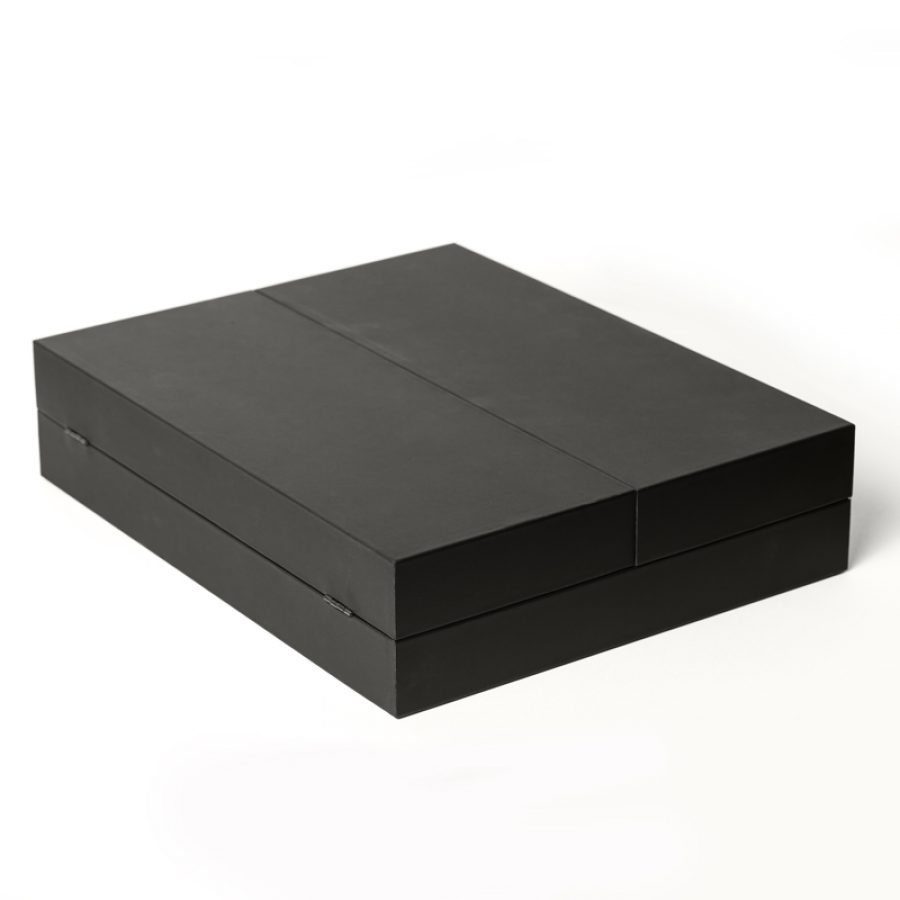
Every unit needs a scannable FNSKU, a poly bag with a suffocation warning, and a spec sheet that matches the listing. Amazon rejects claims it cannot verify.
Put the gram weight per size on the PO, not an average. Cost and feel both follow weight, and an average hides the size that breaks the margin.
Etsy: photo-led and story-led
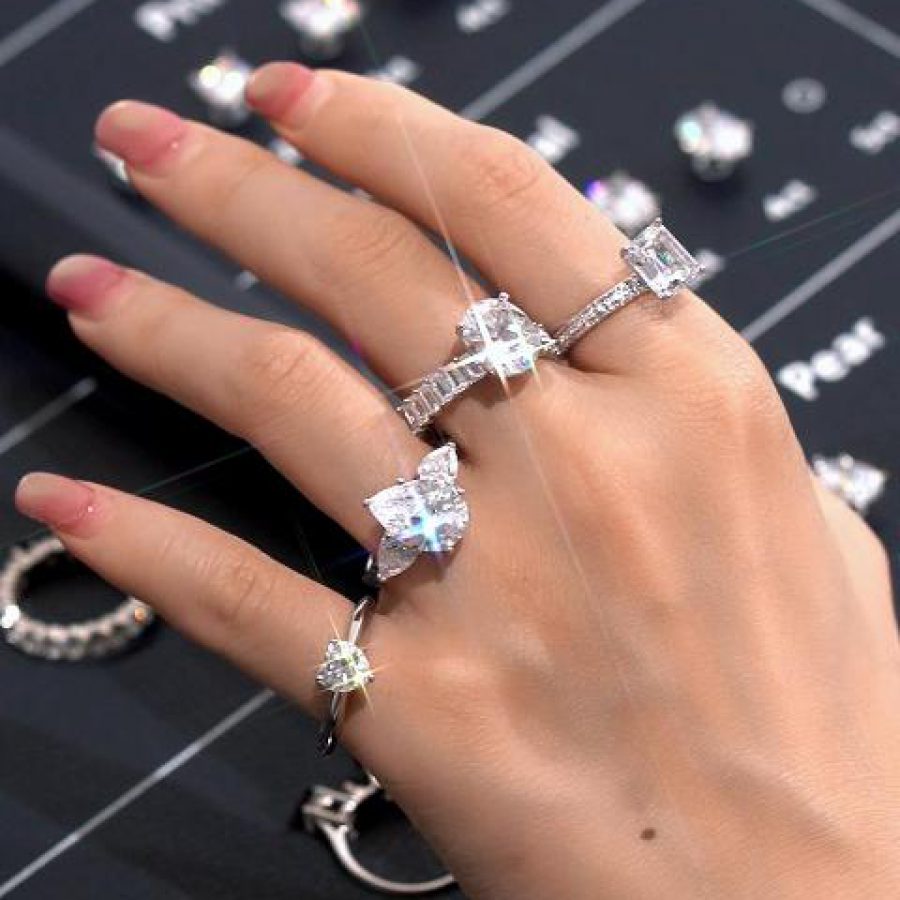
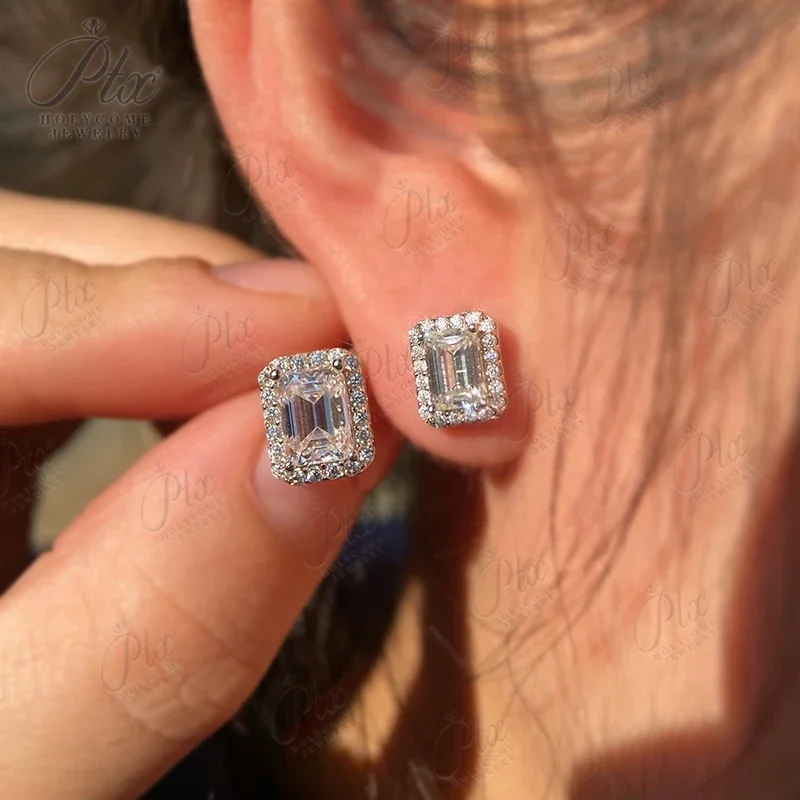
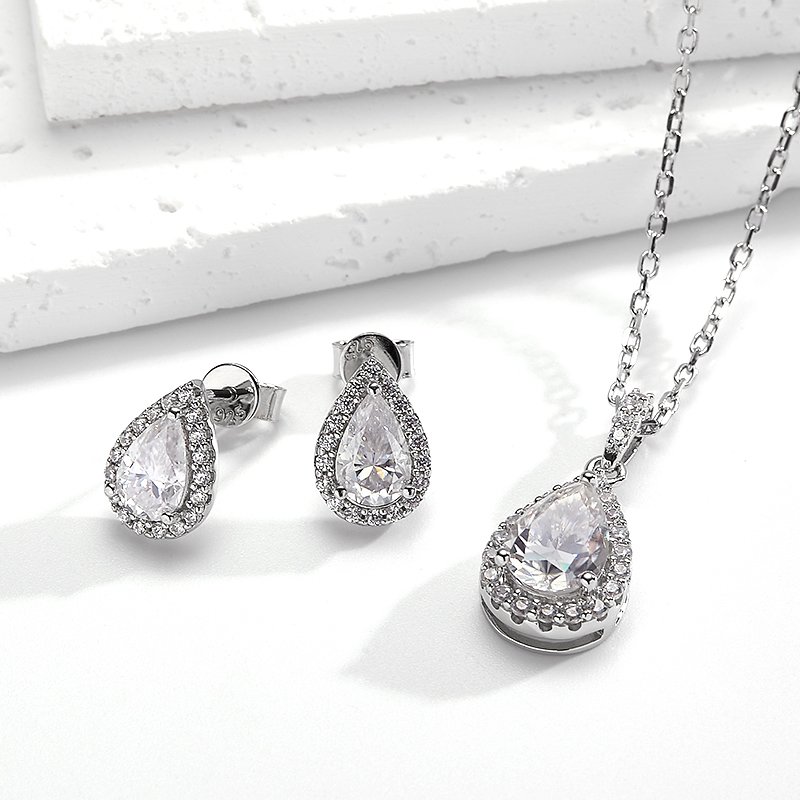
The first photo decides the click; the second and third decide the sale. Use a white background shot, a hand or model shot and a detail macro. Write the description around the buyer's occasion, then state the specification.
On jewelry sets, Etsy buyers ask about size and plating more than anything else. Put both in the first three lines of the description.
| Channel | Title focus | Must-have | Risk |
|---|---|---|---|
| Amazon | Type and stone first | FNSKU, poly bag, spec match | Claim rejection |
| Etsy | Occasion and material | Photo set, size, plating | Undisclosed material |
| Shopify | Conversion page | Size guide, FAQ, spec table | Thin content |
Read the table as a checklist rather than a recommendation. The right row depends on the price band, the wear pattern and the channel you sell into.
Put the forecast window in writing. Capacity priority follows predictability, not friendship.
Shopify: the page that carries itself
A Shopify page needs a size guide, a shipping and returns block, a spec table and five FAQs. Without those, the traffic converts at half the rate and the ad spend doubles.
Use the same photos as Etsy plus a lifestyle set, and keep the spec table identical to Amazon so a support agent can answer from one source.
One spec sheet, three listings
Build a single master sheet with twelve fields: SKU, title base, stone, metal, weight, dimensions, plating, size range, care, packaging, barcode and compliance note.
Then generate the three listing variants from that sheet. On jewelry sets, this is what keeps the channels consistent when a supplier changes a stone.
Keep the approved sample and the CAD together. One proves what was agreed, the other proves what was made.
What to check before the order
Run the five checks below in order. The first two protect the money, the last three protect the launch date.
- Keep one master spec sheet for all channels.
- Put the product type in the first 80 characters.
- Shoot white, hand and macro for every SKU.
- State size and plating in the first lines.
- Match the listing to the verifiable spec.
If a supplier cannot answer three of the five, treat the quote as a starting point rather than a plan. Ask again in writing and keep the answer with the PO.
Frequently Asked Questions
Can one jewelry sets listing work on all three channels?
No. The product can, the listing cannot. Title length, photo order and required data differ.
What is the biggest Amazon risk for jewelry?
A claim the listing cannot support, usually on stone type or metal purity.
How many photos does Etsy need?
At least five: white, hand, macro, packaging and a lifestyle or scale shot.
Does Shopify need a size guide?
Yes, plus returns and shipping blocks. Those three remove most pre-sale questions.
How do I keep channels consistent?
One master spec sheet, versioned, with the factory's spec sheet attached.
What belongs in the first email to a new supplier?
Spec, quantity, target price, delivery date and the QC standard. Five lines get a useful reply.
Send the jewelry sets SKU list and target channels. We return the master spec sheet plus three listing drafts built from the same data. See the full range at Jewelry Sets and HOLYCOME.
The short version: specify the number, seal the sample, inspect against both. Everything else is negotiation.