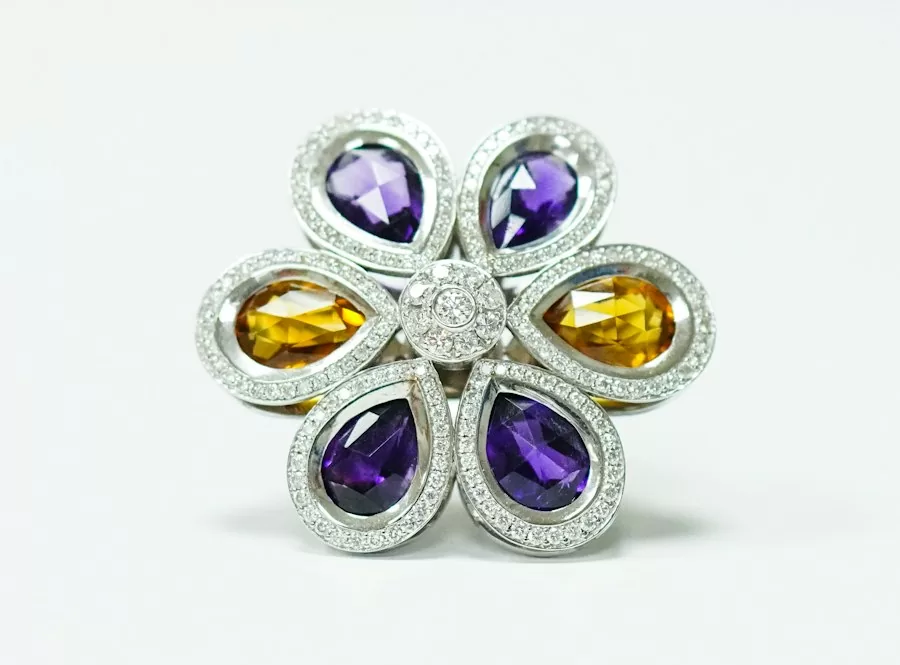
Most moissanite product descriptions read the same way: "This brilliant 2ct equivalent ring features a D-color VVS stone in 18k gold." It is accurate, and it sells nothing. Online jewelry shoppers are not just choosing a shape; they are deciding whether to trust a store they have never visited with a purchase that carries real emotional weight. Your product description is where that trust is built or lost.
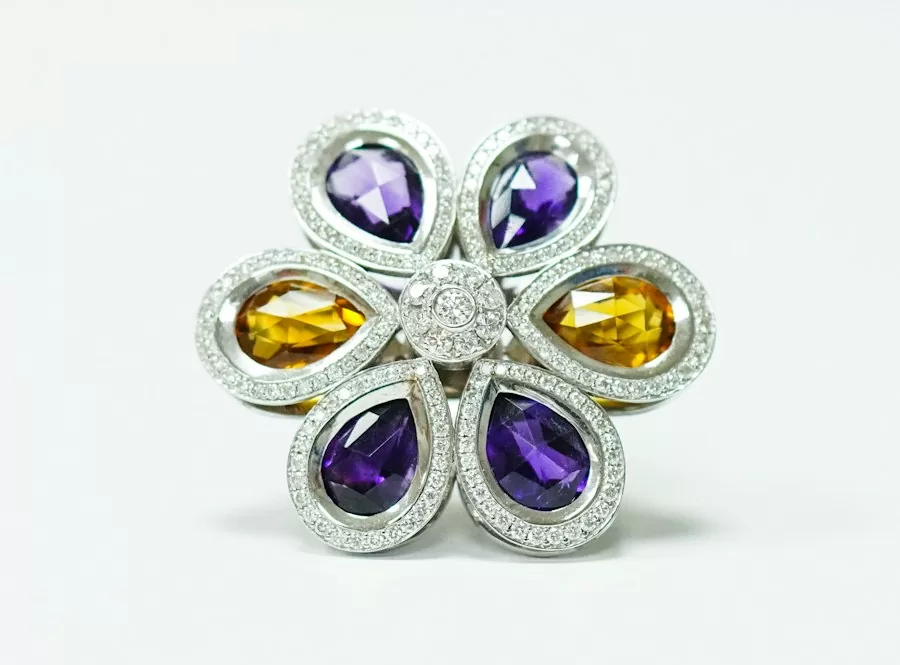
Start with the customer's real questions, not the specs list. A buyer wants to know how big the stone will look on her finger, whether it will hold up to daily wear, whether it is truly colorless, and whether anyone will notice it is not a mined diamond. Answer those directly. State the exact mm size and, for reference, the diamond-carat equivalent, because shoppers still think in carats. Our mm comparison chart gives you the numbers to use honestly.
Be specific about durability and care. Moissanite rates around 9.25 on the Mohs scale, which means it is suitable for everyday wear and far more scratch-resistant than most colored gemstones. Say so plainly. Mention that it can be cleaned in warm, soapy water and that, as covered in our cleaning guide, it holds up well to standard jewelry care. Shoppers who plan to wear the ring daily need this reassurance, and saying it out loud removes a major reason to abandon the cart.
Handle the diamond comparison head-on instead of avoiding it. Confused shoppers are the ones who leave. Briefly explain that moissanite is a lab-grown silicon carbide gem, that it sparkles with strong fire, and that it carries a GRA certificate. You do not need to overclaim. If you need the precise phrasing, our guide to explaining moissanite versus lab diamond gives you the wording to use without overpromising. Honesty here builds far more trust than hype.
Use sensory and styling language to help the buyer picture wearing it. Describe how the light catches the stone, what neckline or hand size the shape flatters, and whether the piece layers with other jewelry. A tennis necklace, for example, should be described as sitting at the collarbone and layering well with shorter chains. This is the same logic behind styling layered necklace sets, and it makes the product feel attainable rather than abstract.
Keep your sentences varied and skimmable. Online shoppers scan, they do not read word for word, so break the copy into short paragraphs and use a clear structure: the look, the fit, the durability, the care, and the delivery promise. Avoid piling on superlatives that every other listing already uses. Specificity builds trust, so say "6.5mm round, D-E-F color, 18k white gold" instead of "stunning, premium, high-quality." A buyer who sees exact measurements and materials assumes you know your product. A buyer who sees only adjectives assumes you do not.
Anticipate the objection that stops most sales: "is this real?" Address it plainly. Explain that moissanite is a genuine lab-grown gemstone, not plastic or glass, that it comes with a certificate, and that it carries lasting value for the price. You do not need to compare it to mined diamonds aggressively, because honest shoppers know the difference and appreciate restraint. When your listing calmly answers the questions they were already typing into Google, the checkout button stops feeling like a risk and starts feeling like the obvious next step.
Keywords matter too, but use them the way real shoppers search. People look for "moissanite engagement ring," "D-color moissanite," and "alternatives to diamond," not for jargon you would use with a fellow buyer. Work those natural phrases into the title, the first sentence, and a few subheadings, then write for the human being reading underneath. Search engines reward pages that genuinely answer a query, and a description that calmly explains size, color, durability, and care does exactly that. There is no need to stuff keywords; clarity is the conversion driver.
Write the way you would talk to a friend in the store. If a sentence feels like it belongs in a corporate press release, rewrite it in plain language. Confident, simple copy reassures hesitant online buyers far more than ornate phrasing ever could. Read each listing out loud before you publish it; if you would not say those words to a customer sitting across the counter, your website visitor will feel the same disconnect. The goal is a description that feels like a knowledgeable salesperson has answered every unspoken question before the shopper even had to ask.
Close with the practical details that reduce friction: ring size options, the included certificate and box, the return window, and the warranty. Photography carries the visual weight, so make sure your images are sharp and show the stone's fire, as our tips on photographing moissanite online explain. A confident, complete description paired with strong images is what turns a curious click into an order, and it costs you nothing beyond the writing time to get it right.
For third-party reference, the Wikipedia article on moissanite details moissanite’s discovery, optical properties and use in jewellery.
Frequently Asked Questions
Is moissanite a good diamond alternative for retail buyers?
Yes for price-sensitive customers who want brilliance and hardness. Moissanite ranks 9.25 on the Mohs scale, holds up to daily wear and costs a fraction of a natural diamond of the same size, so it resells fast in bridal and fashion lines.
What is the minimum order for wholesale moissanite?
MOQ starts at 50 pieces per design for stock items. Custom cuts and private-label settings usually start at 100–300 pieces depending on the mold.
Do you provide certificates with moissanite stones?
Yes. Every parcel ships with GRA or IGI documentation listing carat weight, color grade and cut. We recommend passing the certificate to your end customer for trust.
How long does sample and bulk production take?
Samples ship in 3–5 days. Bulk runs take 15–20 days under 500 pieces, and 25–30 days for custom work.




