A new buyer in Warsaw emailed a supplier: "Please send samples." A week later a single loose 6.5mm round arrived in a small bag. He could not test the oval his line needed, could not see the stone in a setting, and had no paperwork to compare grades. The sample told him almost nothing. The problem was not the supplier - it was the request. A useful sample kit has to be specified item by item, like ordering a custom part.
The six items a real sample kit should include
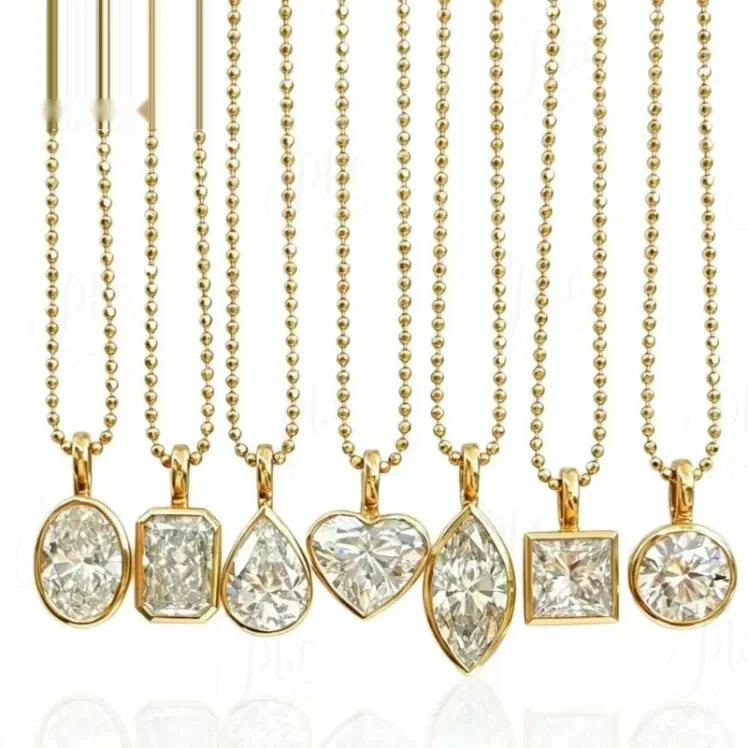
One, one loose stone in each size and shape you plan to stock (for a starter line: 5mm, 6.5mm, 7.5mm rounds, plus one oval and one cushion). Two, the exact grade tier you will reorder, confirmed in writing - not a premium "display" stone. Three, at least one mounted sample in the setting you actually sell, so you see the prong fit and final look. Four, the lab grading paperwork for that batch if certificates are offered. Five, the current wholesale price list and MOQ for each size. Six, the lead time and the packaging you will receive on bulk orders. This mirrors the bench discipline in our stone inspection guide.
What to do with the mounted sample
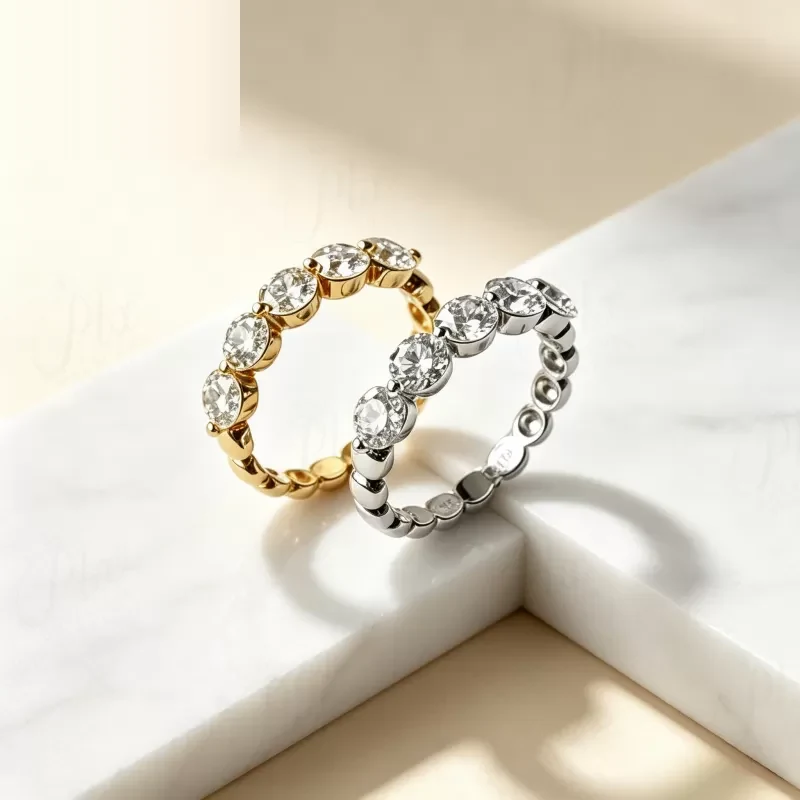
The mounted sample is where most expectations are won or lost. Drop the loose stone into your own head, not the supplier's, and check the prong seat, the table height and whether the stone sits level. Wear the mounted piece for a few days to check comfort and post angle on earrings. Photograph both the loose and mounted stone under your store light. If the supplier will not supply a mounted sample, ask them to set your chosen stone in a standard head you specify - this is reasonable for a buyer about to order volume. More on the mount decision in how wholesale parcels are packed.
The paperwork and pricing to pin down
Ask for the grading certificate (FTC jewelry industry guides) that matches the batch, and confirm the grade naming (D-F, near-colorless, etc.) so your listing language is accurate. Ask for the reorder price list with tier breaks at 10, 50 and 100 stones per size. Confirm whether sample cost is credited on first bulk order. Finally, ask for a landed-cost estimate to your port - this ties back to Incoterms and landed cost. For the bigger sourcing picture, read why samples protect your bulk order and production lead times.
Score the sample kit on a simple checklist
Once the kit arrives, grade it against a one-page scorecard so you can compare two suppliers fairly. Score the stones on face-up color (1 to 5), fire and brilliance (1 to 5), edge and facet finish (1 to 5), and prong fit in your own settings (1 to 5). Note whether the mounted sample matches the loose stone, whether the paperwork matches the batch, and whether the price list gives real tier breaks. A supplier that sends inconsistent stones across sizes, or a premium sample that does not match the reorder grade, fails the scorecard even if the hero stone is stunning. For an independent reference on what a certified report should contain, review IGI certification standards and compare your supplier paperwork against that baseline.
Set a deadline for the sample
Tell the supplier your sample needs to arrive within 7 to 10 days and that you will place a bulk order once you approve it. This urgency focuses their attention and prevents the sample from being deprioritized behind larger customers. If the sample is late or arrives with the wrong grade, that itself is a data point about how your bulk orders will be handled. Fast, accurate sampling predicts fast, accurate production; slow, vague sampling predicts the opposite.
FAQ: requesting a moissanite supplier sample kit
How do I ask for samples without sounding like a tire kicker?
Name your intended sizes, grade tier and approximate volume. A specific request ("one 6.5mm and one 8mm D-F round plus a price list") signals a real buyer and gets a real sample.
Should I request mounted or loose stones?
Both. Loose stones let you test your own settings; a mounted sample shows the finished look and prong fit. If budget is tight, start loose and mount one yourself.
What grade should I ask the sample to be?
The exact grade tier you will reorder. Confirm in writing that the sample is representative of the batch you will buy, not a premium show stone.
Is a certificate required in the sample kit?
If the supplier sells certified stones, request the certificate for the batch. It lets you verify grade naming and back up your own listing claims.
Specify your sample kit item by item and compare suppliers fairly. HOLYCOME provides loose samples by size and grade, can supply mounted test stones, and ships a current price list with tier breaks. Send us your sample request with your intended sizes and we will build a kit your bench can actually test.
The Gemological Institute of America’s gem encyclopedia is an authoritative, widely cited reference on moissanite and diamond quality factors.
Frequently Asked Questions
Is moissanite a good diamond alternative for retail buyers?
Yes for price-sensitive customers who want brilliance and hardness. Moissanite ranks 9.25 on the Mohs scale, holds up to daily wear and costs a fraction of a natural diamond of the same size, so it resells fast in bridal and fashion lines.
What is the minimum order for wholesale moissanite?
MOQ starts at 50 pieces per design for stock items. Custom cuts and private-label settings usually start at 100–300 pieces depending on the mold.
Do you provide certificates with moissanite stones?
Yes. Every parcel ships with GRA or IGI documentation listing carat weight, color grade and cut. We recommend passing the certificate to your end customer for trust.
How long does sample and bulk production take?
Samples ship in 3–5 days. Bulk runs take 15–20 days under 500 pieces, and 25–30 days for custom work.