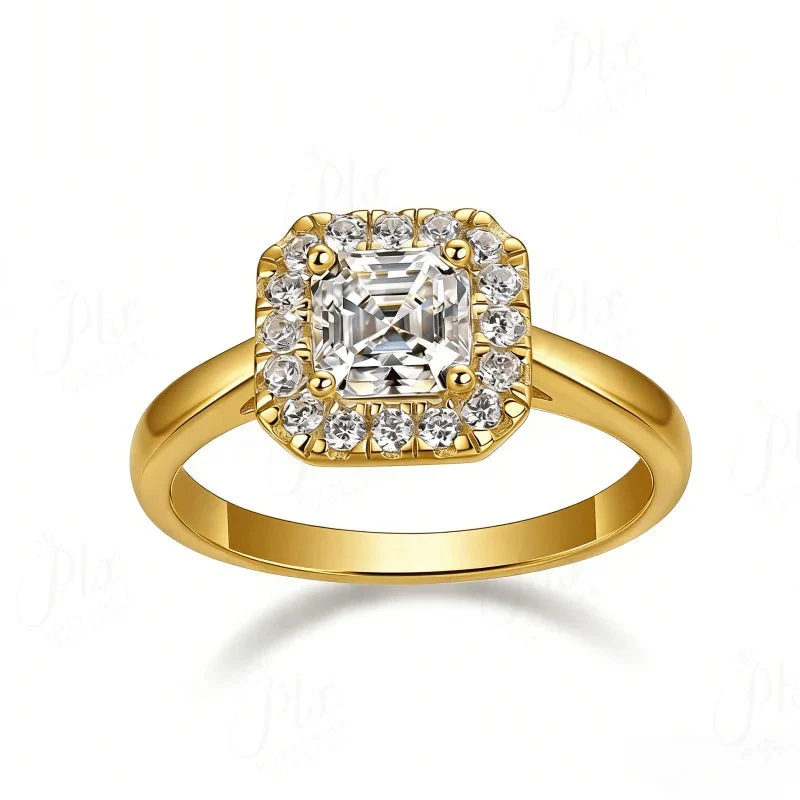
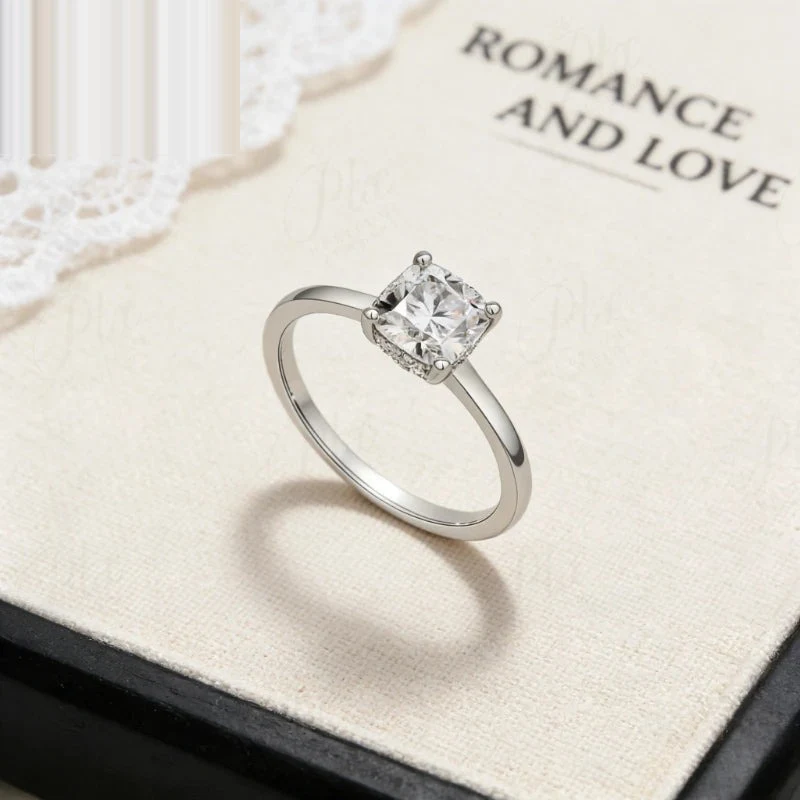
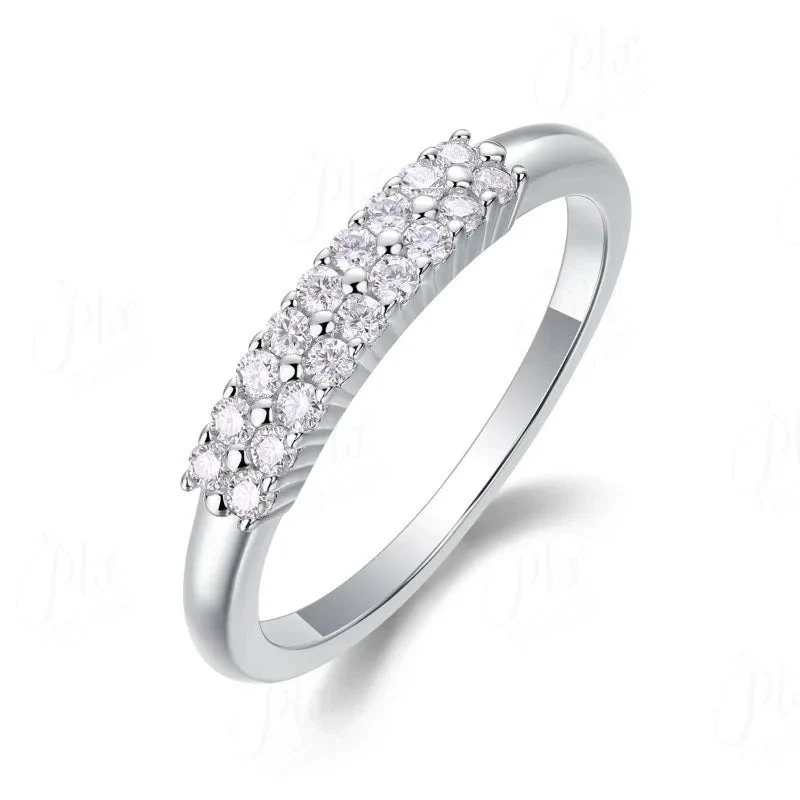
There are three ways to buy rings: direct from a factory, through a trading company, or from a marketplace seller. Each is right for a different stage, and the wrong one costs more than a price difference.
The factory: control and minimums
A factory gives you the bench, the QC and the CAD. On rings, that means you can change a prong, adjust a wall thickness and see the first article. The cost is a real MOQ and a longer sample cycle.
Factories are right when the design is yours and the volume is repeatable.
Photograph the first article before the batch runs. A shifted seat or a short prong is cheapest to fix at one piece.
The trading company: range and consolidation
A trading company can pull rings, chains and boxes from several workshops into one carton, and it handles export paperwork. The trade-off is that it rarely controls the bench.
Use a trading company when you need a wide range at small volume, and keep your own QC on rings.
| Type | Control | MOQ | Best stage | Main risk |
|---|---|---|---|---|
| Factory | Bench, QC, CAD | Real | Scaling, program | Capacity queue |
| Trading company | Range, export | Low | Testing, wide range | Bench unknown |
| Marketplace | None | None | Idea testing | Spec unknown |
Read the table as a checklist rather than a recommendation. The right row depends on the price band, the wear pattern and the channel you sell into.
Ask for the plating thickness in microns, then test the contact points on the first lot. A thirty-second cloth rub shows colour transfer before a customer does.
The marketplace: speed and no control
A marketplace seller gives you stock in days and no minimum. What you give up is the specification: you cannot change the alloy, the plating or the stone grade, and the spec sheet is often incomplete.
Marketplaces are right for testing a design idea, not for building a program.
How to choose at each stage
Testing: marketplace or trading company, small quantity. Scaling: factory with a trial order. Program: factory with a forecast and a second approved backup.
On rings, the mistake is staying with the marketplace into the scaling stage, where the margin and the spec both disappear.
In practice, the first lot answers more than the quote does. Weigh ten pieces, measure five stones and rub three contact points, and the specification stops being a claim.
What to check before the order
Run the five checks below in order. The first two protect the money, the last three protect the launch date.
- Match the supplier type to the stage.
- Keep your own QC with a trading company.
- Do not scale from a marketplace seller.
- Ask who owns the bench before committing.
- Keep a second approved source for the top designs.
If a supplier cannot answer three of the five, treat the quote as a starting point rather than a plan. Ask again in writing and keep the answer with the PO.
Frequently Asked Questions
Is a factory always cheaper for rings?
At repeat volume, usually. At 20 pieces, a trading company or marketplace is often cheaper all-in.
When should I leave the marketplace?
When you need a spec change or a repeat lot with the same stone grade. That is the moment control matters.
Can a trading company own the QC?
It can run a check, but it rarely controls the bench. Ask who signs the inspection report.
What is the risk of a single factory?
Capacity and continuity. Keep a second approved source for your top three designs.
Does the supplier type affect SEO or listings?
It affects the spec sheet, and the spec sheet is what the listing claims. An incomplete spec limits what you can publish.
How do I compare two quotes for this item?
Split both into metal, stone, labour, finishing and overhead, then compare line by line. A single total hides the specification difference.
Tell us the rings stage and volume. We return a supplier-type recommendation with the control, MOQ and risk for each option. See the full range at Rings and HOLYCOME.
None of this is exotic. It is a document, a measurement and a date, repeated until it becomes a process.