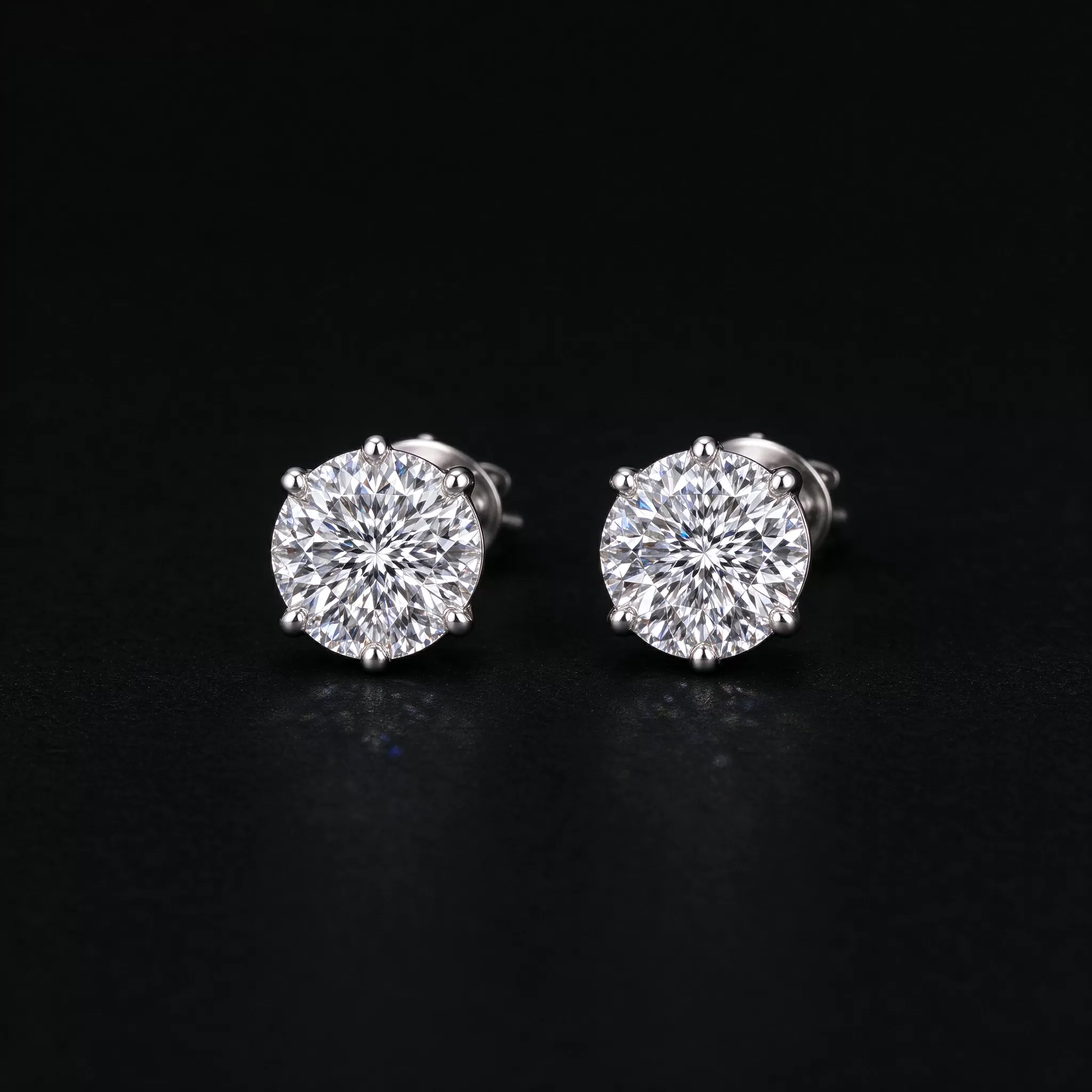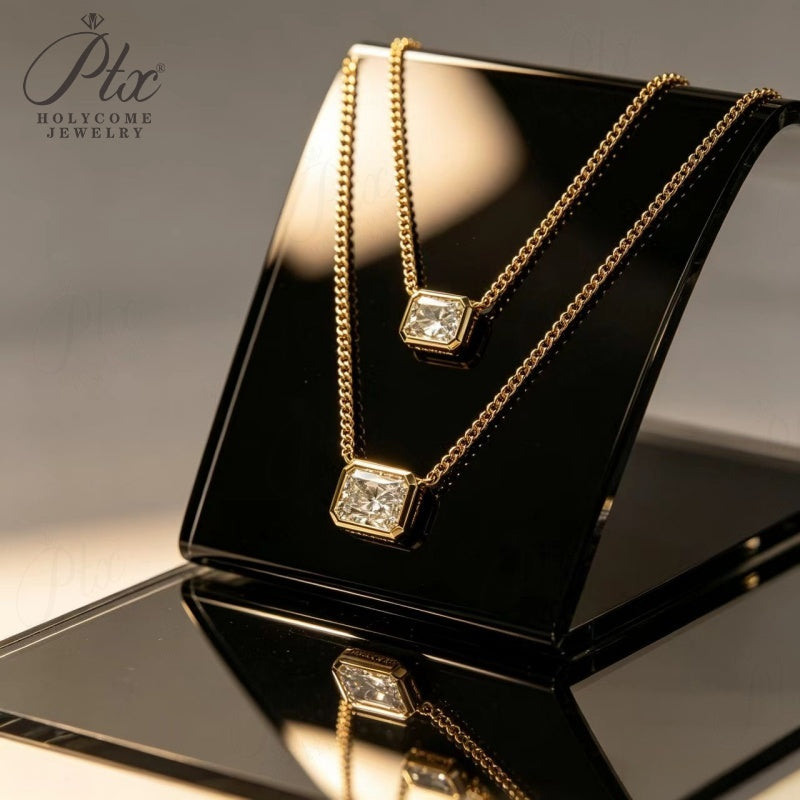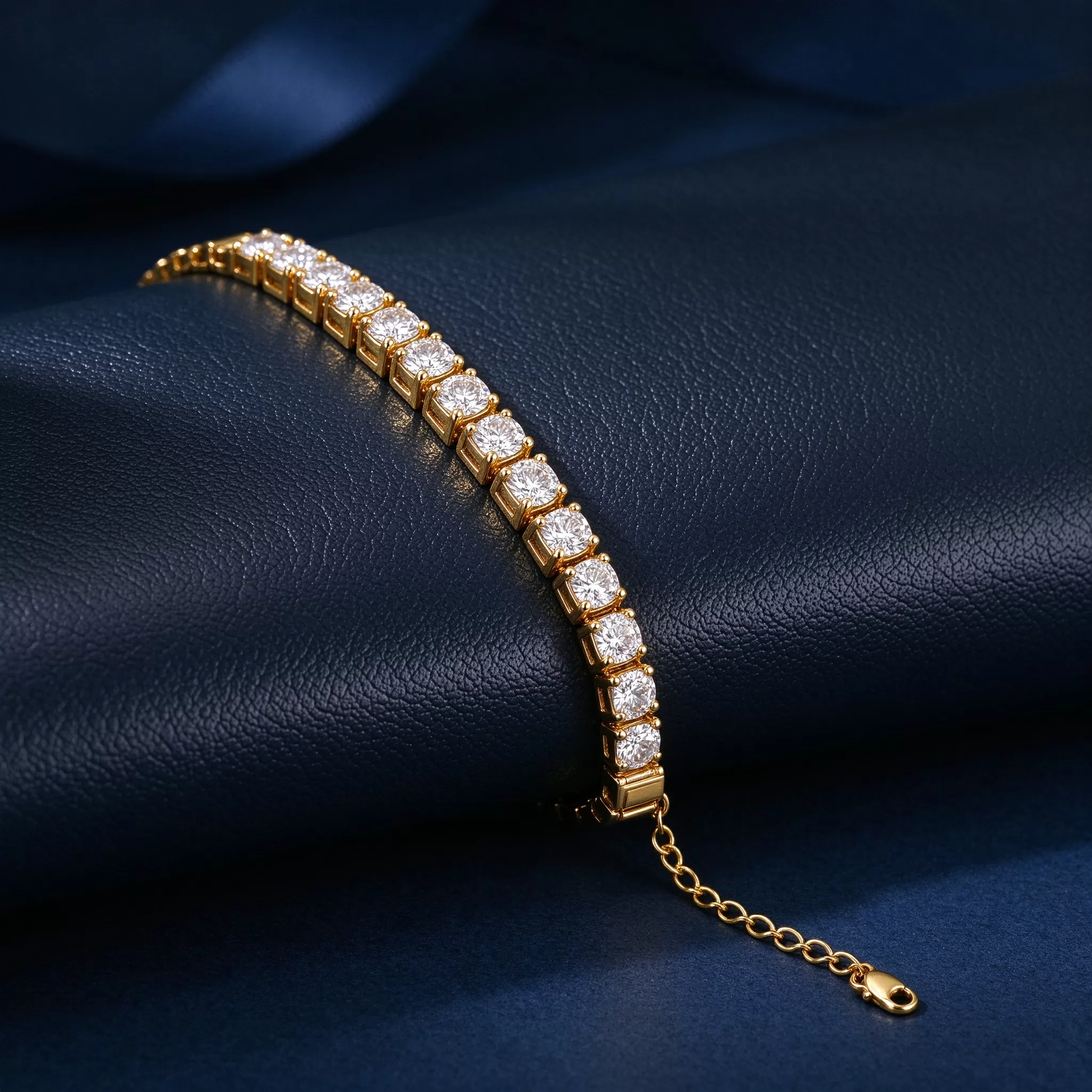
Gold bracelets look like a simple buy — pick a style, set a price, stock it. But for retailers, the numbers behind a bracelet are where profit is made or lost. Gold is priced by weight, bracelets carry real metal mass, and a few grams difference between two seemingly similar pieces changes your entire margin. If you are building a bracelet category, understanding weight, karat and clasp quality is the difference between a bestseller and a slow-moving, low-margin SKU. Here is how wholesale sourcing actually works.
Why Gold Weight Drives Everything
A gold bracelet’s cost is built on three layers: the gold metal value, the labor of making it, and the stones or detail. The gold metal value moves with the daily spot price, so weight is the foundation. Two bracelets that look nearly identical can differ by several grams — and at 18K gold prices, those grams are hundreds of dollars in cost. When comparing quotes, always ask for the gram weight, not just the style name.
Karat: The Cost-Durability Trade-Off
18K gold carries a richer color and higher perceived value, but it is softer and costs more per gram. 14K is harder, cheaper per gram, and wears better on bracelets that take knocks. For an everyday chain or a bangle that stacks and bumps, 14K can be the smarter stock — lower cost, better durability, easier sale price. For a premium tennis bracelet marketed as luxury, 18K justifies the price tag. Match the karat to how the customer will actually wear the piece.
Clasp and Hardware: The Detail That Returns Stock
Cheap clasps are the number one cause of bracelet returns. A flimsy box clasp that opens easily, or a safety catch that does not latch, leads to lost pieces and unhappy customers. When sourcing, inspect the clasp: it should click firmly, the safety chain should engage, and the hinge should feel solid. Spending a little more on hardware protects your reputation far more than saving a dollar on the clasp.
Doing the Margin Math
Retail jewelry typically prices at a multiplier of wholesale cost, but the right multiplier depends on the piece. A plain gold chain has low perceived “wow” factor and more price comparison, so margins sit thinner. A diamond or moissanite tennis bracelet carries emotional value and less direct comparison, allowing stronger margins. Bracelets also stack — a customer who buys one often adds a second, which lifts basket size without extra marketing cost. That is why smart retailers build a full bracelet wall rather than stocking one or two pieces.
Buy Direct From a Manufacturer
The biggest lever on margin is removing middlemen. When you source directly from a factory that casts, sets and finishes in-house, you cut out importers and distributors, and you also get consistent weight and quality order to order. Our wholesale program publishes per-style gram weights and transparent pricing, and our QC process verifies clasp security and stone tightness before shipment. Brands can also develop exclusive bracelet designs through our OEM service, which protects margin by removing direct price comparison. See the range on our product pages.
Frequently Asked Questions
How much should I mark up a gold bracelet? It varies, but diamonds and styled pieces carry stronger margins than plain chains.
Is lighter gold a good value? Lighter means lower cost but also hollow or fragile construction — ask about weight to judge.
Do I need certification for gold bracelets? Hallmarks and assay paperwork protect you on purity; stones should carry their own report.
What is the best first bracelet to stock? A diamond or moissanite tennis bracelet in 18K — it is the perennial bestseller and gifting favorite.
Why Gram Weight Is the Number That Protects You
When sourcing gold bracelets wholesale, the gram weight is your single most important data point, because it anchors the true cost. Gold is priced by the gram at daily spot, so two bracelets that look identical can differ by several grams — and at 18K prices, that difference is real money. A supplier quoting a style name without a weight is leaving room to send a lighter, cheaper piece. Always ask for the gram weight per style, and check it on arrival with a small jewelry scale. A 10% discrepancy between quoted and actual weight is a warning; a 20% discrepancy means the piece is not what you ordered.
This discipline also protects your margin. If you know the exact gold weight, you can price against the daily metal value rather than against the supplier’s arbitrary number. When spot gold moves, you understand whether the quote change is reasonable or padded. Our wholesale program publishes per-style gram weights transparently, and our QC process weighs every batch so retailers receive what was quoted. Brands developing their own bracelet line can use our private label service to control weight and design.
Building a Bracelet Wall That Sells Stacks
Smart retailers do not stock one bracelet; they stock a bracelet wall. The reason is that bracelets sell in stacks. A customer who buys a tennis bracelet often returns for a gold chain and a bangle within months, and each return is a new sale. Price the wall in tiers: an affordable entry chain, a mid-range diamond or moissanite tennis bracelet, and a higher statement cuff or bangle. Display them layered on a hand form so customers see the look. This stacking behavior is why bracelet categories grow average order value faster than single-piece categories. We provide range planning and display guidance to partners opening a bracelet department.
Why Transparent Weights Protect Your Business
When you source gold bracelets, the gram weight is your anchor. Gold moves with the spot price, so a piece without a stated weight leaves room for unexpected cost. Ask for the weight per style, and verify it on arrival with a small scale. A 10 percent discrepancy between quoted and actual weight is a warning; a larger one means the piece is not what you ordered. This discipline also protects your margin, because you can price against real metal value rather than against a supplier's arbitrary number. We publish per-style weights and weigh every batch before shipment.
Building a profitable bracelet line comes down to weight transparency, tiered pricing and a display that encourages stacking. When you know the real gram weight and price against it, margin becomes predictable. Stock an entry chain, a mid-tier tennis bracelet and a statement cuff, and let customers add to their stack over time. We provide the weights, the consistency and the merchandising guidance to make that line work.