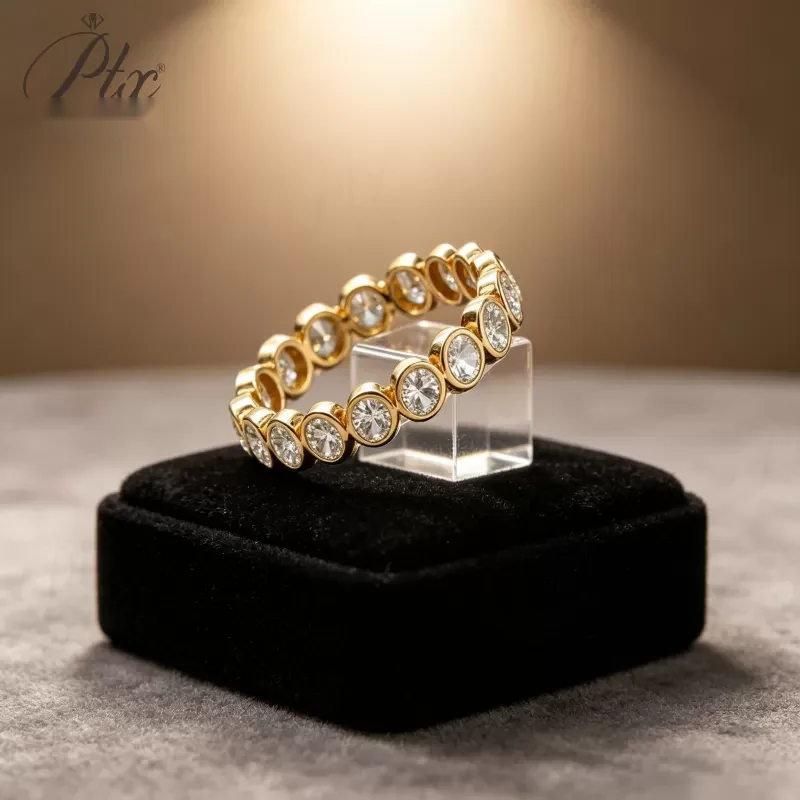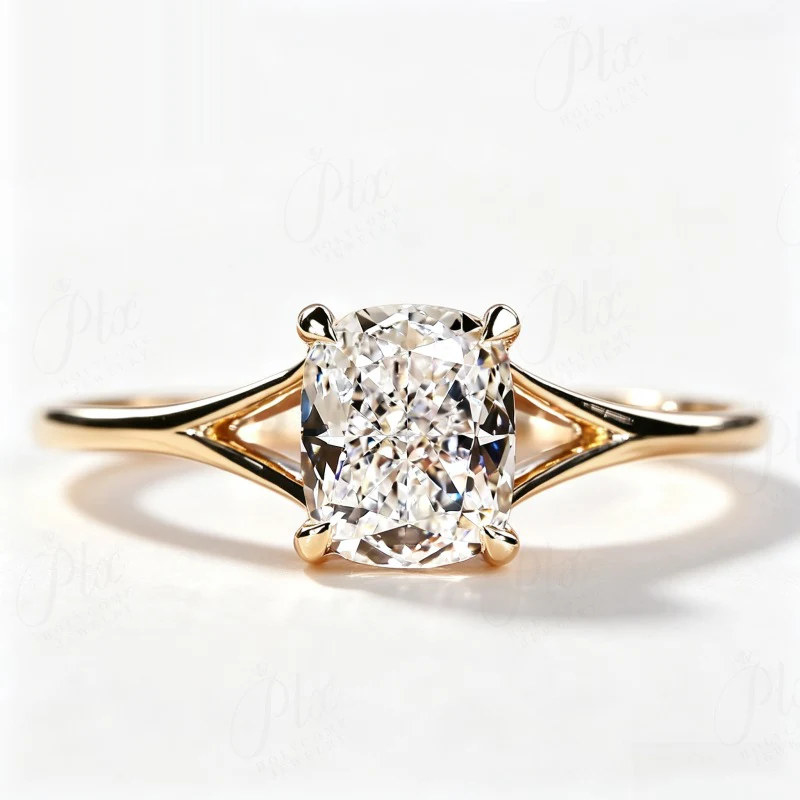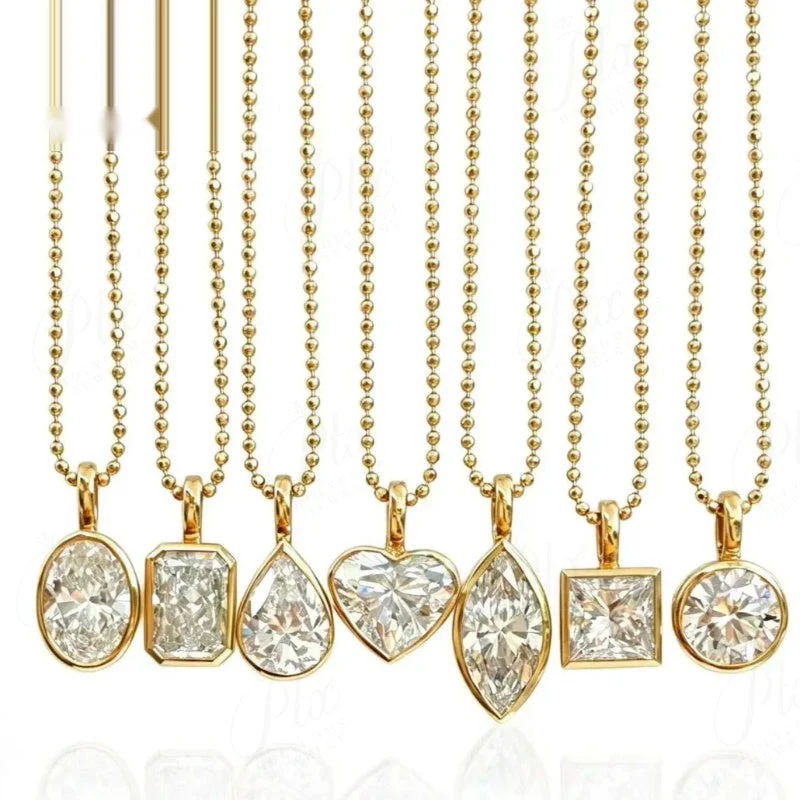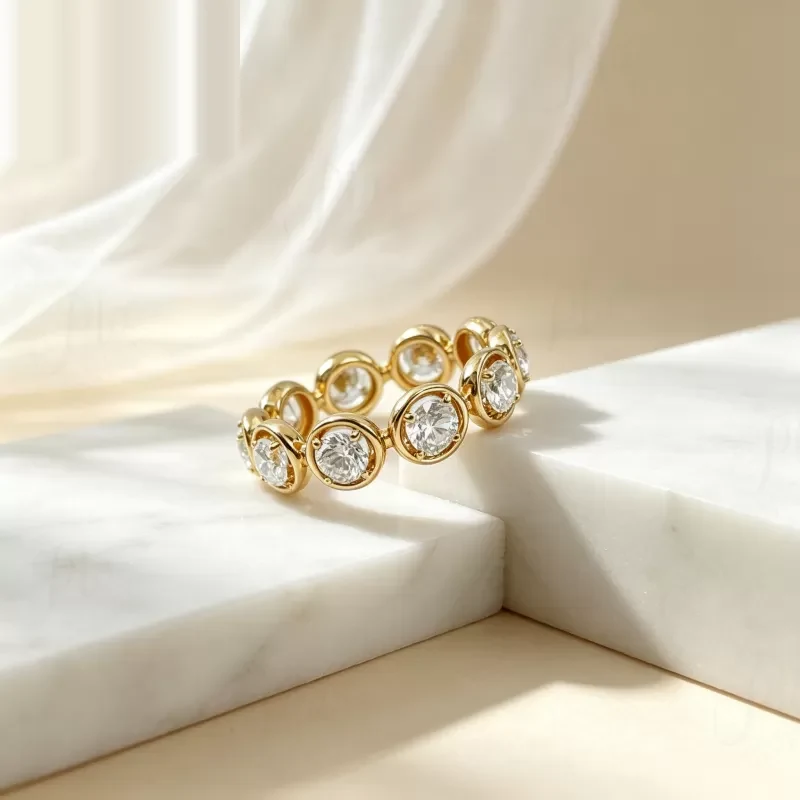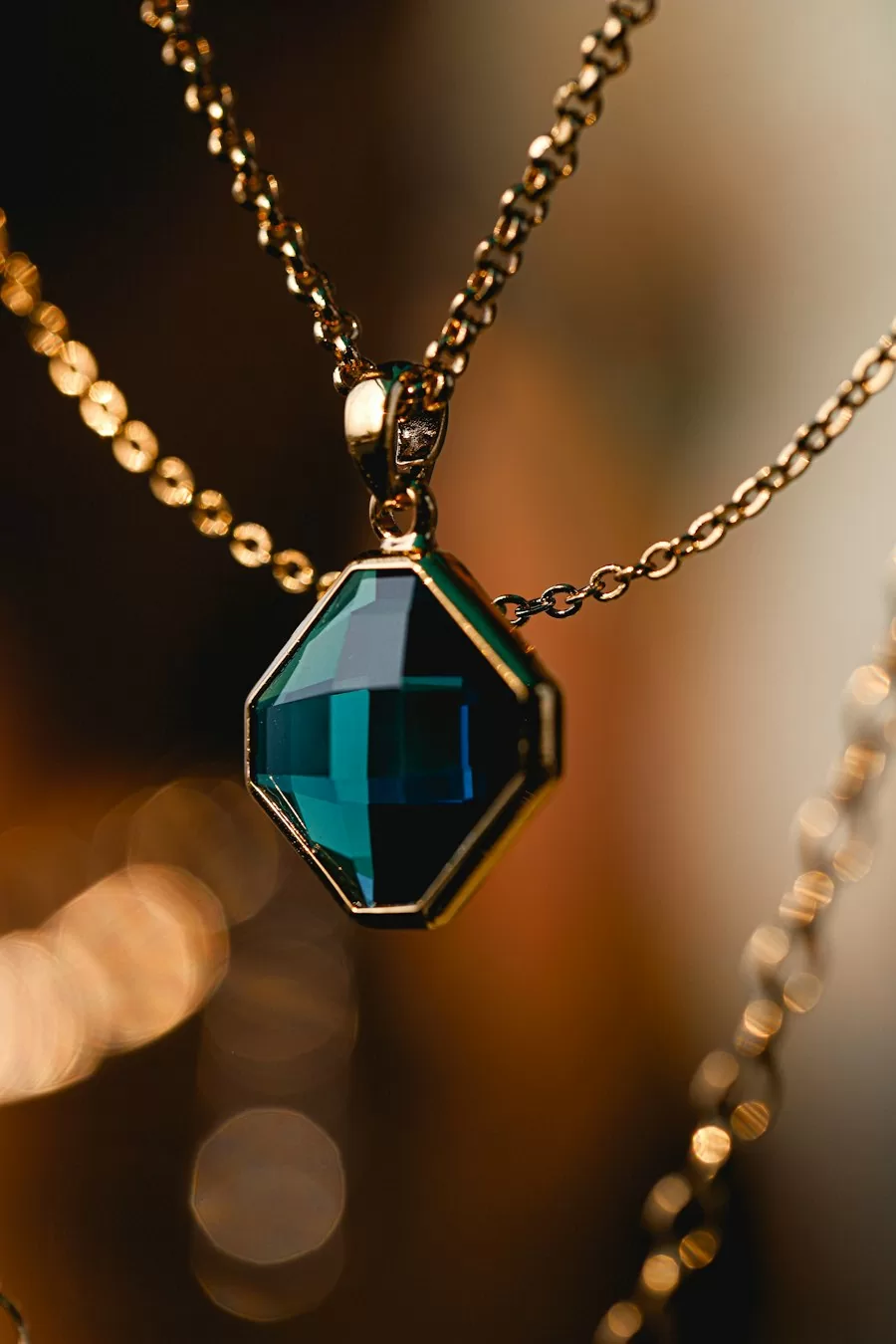
It happens at almost every jewelry counter eventually. A skeptical customer pulls out a pocket diamond tester, touches it to the stone, watches the needle swing toward "diamond," and looks up triumphantly. The problem? The stone is a moissanite. This moment is awkward, but it is also predictable, and once your team understands why the tester reacts that way, it becomes a teaching moment rather than a confrontation.
What a basic diamond tester actually measures
Most handheld diamond testers sold to jewelers and consumers are thermal testers. They do not identify a gem optically. They measure how quickly heat moves through the stone. Diamond conducts heat extremely well, which is why a thermal tester calibrated to diamond lights up when its tip touches a real diamond. The device is really a heat-conductivity meter wearing a diamond label.
Moissanite is also an exceptional heat conductor. Its thermal conductivity is close enough to diamond's that many single-function thermal testers register a false "diamond" reading. This is not a flaw in the tester and not evidence that a stone is being misrepresented. It is simply a known limitation of using a one-property tool on a high-performance simulant.
Which testers actually separate the two
Dedicated moissanite testers and multi-function electronic testers apply a second property on top of thermal conductivity. Moissanite has a much higher electrical conductivity than diamond in most conditions, and electronic testers are built to detect that difference. A proper two-in-one tester will typically show one readout for diamond and a separate, distinct readout for moissanite.
Even then, no handheld tester is a substitute for proper gemological identification. The most reliable retail answer always combines multiple checks: magnification to look at inclusions and facet structure, knowledge of the stone's origin and paperwork, and, where relevant, a registered certificate. For a deeper look at how third-party grading fits into sourcing, see our guide to GRA certification for moissanite.
Why this matters for your store's credibility
If a customer arrives expecting the tester to "prove" a stone is a diamond, and your team nods along as if it does, you create two problems. First, you are implicitly telling them your moissanite is a diamond, which is both inaccurate and a disclosure failure. Second, you set yourself up for an angry callback when the customer learns otherwise from a more informed source.
The honest, professional posture is the opposite. When a tester comes out, welcome it. Say clearly that a basic thermal tester will read moissanite as diamond because both stones conduct heat well, and explain that a proper multi-factor test, plus the stone's certificate and your own disclosure, is how you identify it. That kind of transparency builds far more trust than a misleading green light ever could.
Scripts that keep the sale moving
A clean line for the counter: "This is moissanite, and yes, a basic heat tester will read it like a diamond because both materials conduct heat similarly. We disclose that on every piece, and the value you are getting is the size, sparkle, and warranty at a fraction of a diamond's price."
If the shopper still wants certainty, offer to show the certificate, explain the cut and color grade, and compare the stone side by side with a known reference. Many retailers keep a certified moissanite and a diamond lookstone on hand exactly for this purpose. You can read more about how to frame the comparison for customers in our piece on explaining moissanite versus lab diamond to buyers.
What to avoid
Do not tell customers a tester proves moissanite is real diamond. Do not dismiss their test as broken. And do not sell moissanite under any product title, tag, or sales line that calls it a diamond. Those choices create returns, chargebacks, and reputational damage. The moissanite buyer wants the look and the value; they do not want a story that falls apart later.
A simple training drill for your staff
Run a fifteen-minute role-play once a quarter. One employee plays the skeptical customer who pulls out a tester, the other responds with the honest explanation, then they swap. Over time the line becomes automatic, and no associate freezes up when a shopper produces a tester at the counter. Keep a two-in-one tester and a loupe behind the desk so you can demonstrate the difference on the spot. Confidence is contagious, and a team that has practiced the answer will convert far more on-the-fence browsers than a team that improvises.
Bottom line
A false-positive on a thermal diamond tester is a documented, well-understood property of moissanite, not a secret trick. Stores that explain it up front turn a skeptical moment into a demonstration of expertise. Stores that stay silent risk losing the customer's trust entirely. Equip your staff with the correct explanation, keep a multi-factor tester on hand for serious questions, and let accurate disclosure do the selling.
The Gemological Institute of America’s gem encyclopedia is an authoritative, widely cited reference on moissanite and diamond quality factors.
Frequently Asked Questions
Is moissanite a good diamond alternative for retail buyers?
Yes for price-sensitive customers who want brilliance and hardness. Moissanite ranks 9.25 on the Mohs scale, holds up to daily wear and costs a fraction of a natural diamond of the same size, so it resells fast in bridal and fashion lines.
What is the minimum order for wholesale moissanite?
MOQ starts at 50 pieces per design for stock items. Custom cuts and private-label settings usually start at 100–300 pieces depending on the mold.
Do you provide certificates with moissanite stones?
Yes. Every parcel ships with GRA or IGI documentation listing carat weight, color grade and cut. We recommend passing the certificate to your end customer for trust.
How long does sample and bulk production take?
Samples ship in 3–5 days. Bulk runs take 15–20 days under 500 pieces, and 25–30 days for custom work.