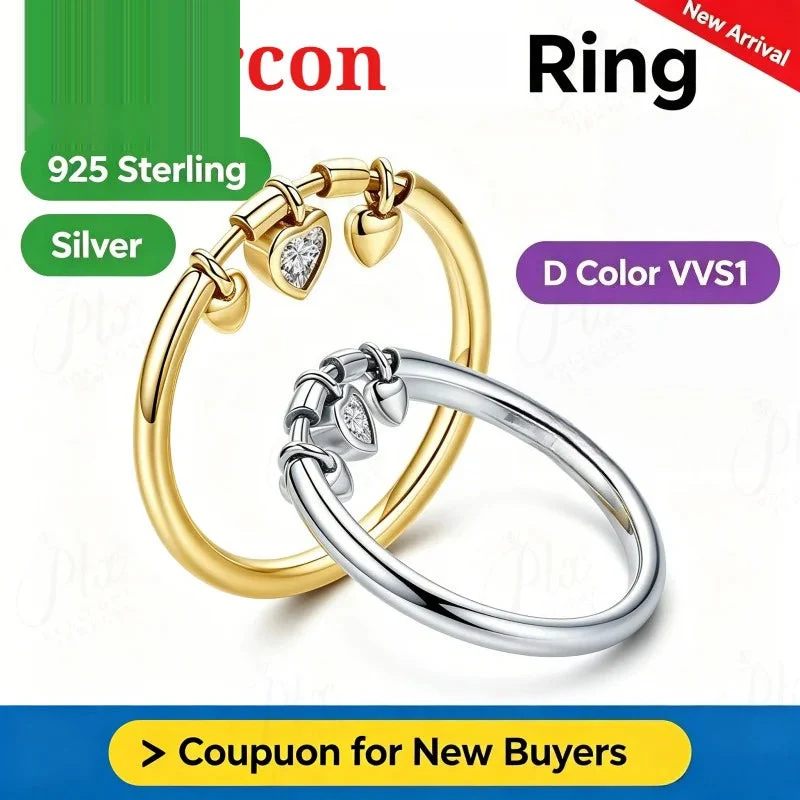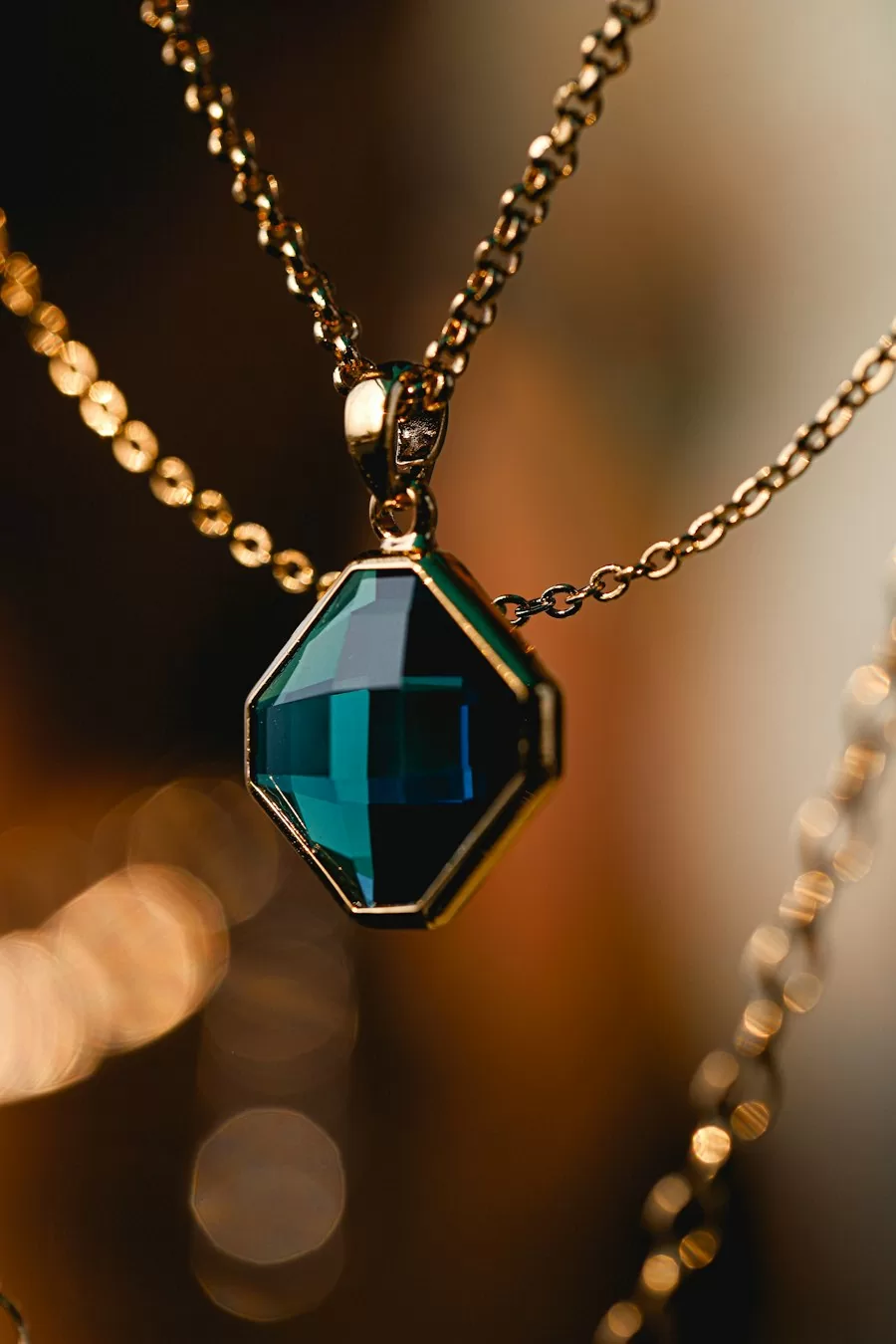
Walk into any mall kiosk and you will see glassy, colorless stones advertised as everything from "diamond alternatives" to "eco bridal." Most of the cheap ones are cubic zirconia (CZ), and many shoppers cannot tell it apart from moissanite with the naked eye. At arm's length both stones flash white, both sit in a silver or gold mounting, and both cost a fraction of a mined diamond. But once a customer wears a piece every day, the gap between the two materials becomes impossible to ignore. For a retailer, stocking the right one is not a detail—it is a brand decision.
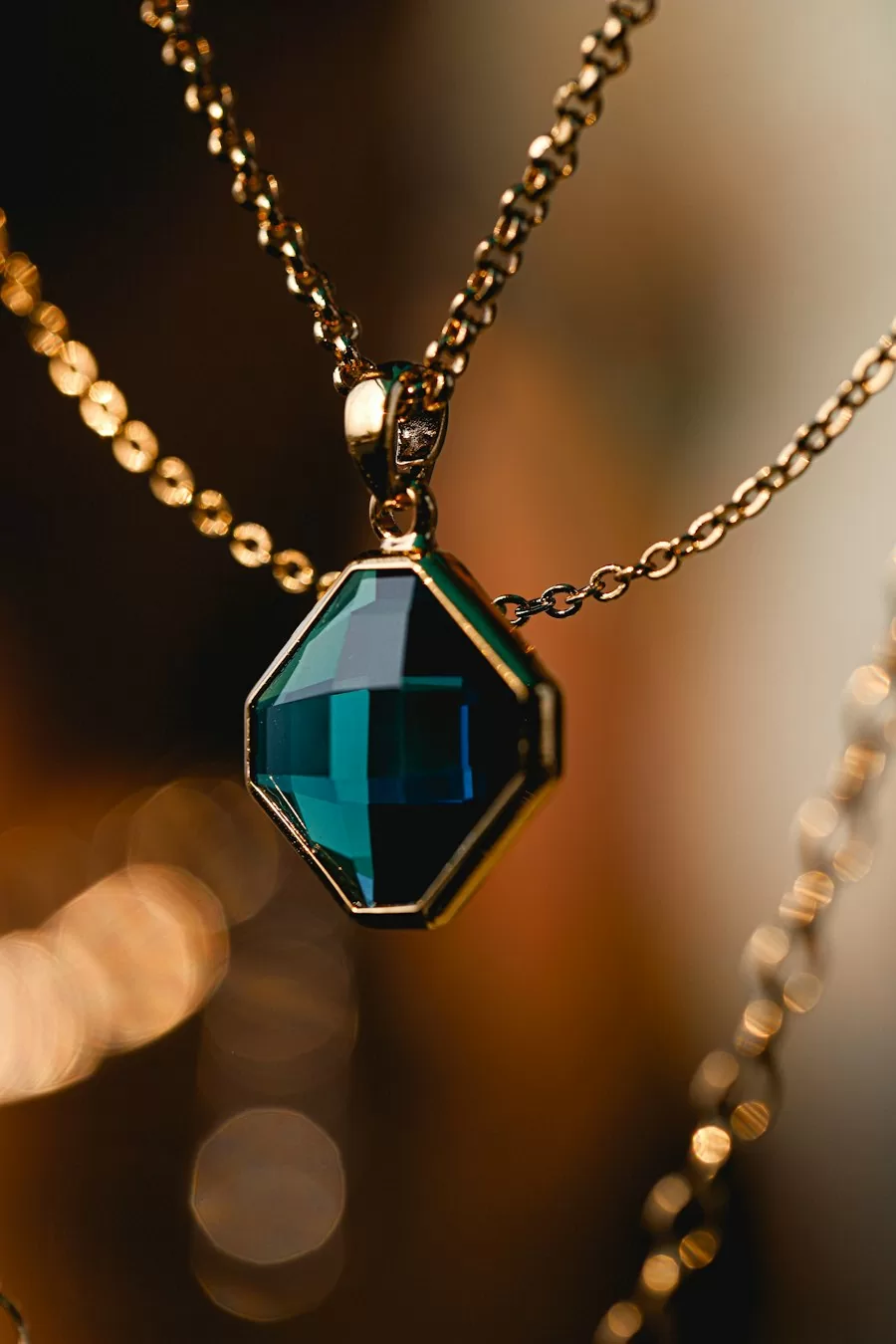
Cubic zirconia is a synthetic diamond simulant made from zirconium dioxide. It is inexpensive to produce in large volumes, which is why it dominates the fast-fashion and costume jewelry shelves. CZ looks bright when new, but it is soft and porous compared with moissanite. On the Mohs scale it lands around 8, and in practice it scratches, clouds, and loses its polish within a year of regular wear. A customer who buys a CZ solitaire for a wedding day may still love it at the reception, but two years later the stone looks dull and the setting shows wear. That customer blames the store, not the material.
Moissanite is silicon carbide, a completely different material. On the Mohs scale it measures 9.25, second only to diamond among common jewelry stones, and it is highly resistant to scratching and abrasion. Its optical properties are actually stronger than diamond's: moissanite has a higher refractive index and more fire, which is why it throws rainbow flashes under lights that a diamond would not. A well-cut moissanite keeps its brilliance for decades of everyday wear. That durability is the whole reason retailers can sell it as a legitimate bridal and fine-jewelry alternative rather than a disposable fashion piece.
How the two stones wear differently
The most obvious difference over time is surface condition. CZ scratches easily, and because it is often set in lower-cost alloys, the whole piece ages together quickly. Rhodium plating fades, prongs loosen, and the stone itself develops a frosted look from contact with counters, phones, and door handles. Moissanite, by contrast, stays bright because the stone is hard enough to resist abrasion, and when it is paired with solid 18k gold or platinum the setting ages gracefully. Customers comparing moissanite to diamond are often surprised that the moissanite outlasts their expectations rather than fading into costume status.
Weight and feel also differ. Moissanite is lighter than a diamond of the same face-up size but noticeably denser and more "real" in the hand than CZ, which feels almost plastic to an experienced jeweler. CZ is also often cut to generic proportions to save cost, so its sparkle is flat and lifeless compared with a precision-cut moissanite. If you have ever seen a CZ stone that looks like a disco ball in a display case but dead under store lighting, that is the difference between a commercial cut and a quality faceting.
Why the distinction protects your margin
When a retailer conflates the two materials, they train their customers to expect costume prices for fine-jewelry pieces. A shopper who bought CZ for $25 begins to think any colorless stone should cost $25, and then balks at a $300 moissanite piece—even though the moissanite will outlast the CZ by a decade. Teaching the difference protects your pricing. When staff explain that moissanite is durable, ethically created, and guaranteed to keep its fire, customers understand why the piece commands a fair retail price. This is the same logic behind buying graded moissanite stock rather than whatever cheap simulants a broker pushes.
It also protects you from returns. A customer who knows they are buying a durable, fine-jewelry alternative sets the right expectations. A customer who thinks they are buying "almost a diamond" for a bargain will be disappointed by the differences—mostly differences that exist between any alternative stone and a mined diamond, not between moissanite and CZ.
How to explain it on the sales floor
You do not need to talk a shopper out of CZ. Some buyers want a one-time event piece and that is a valid choice. But for engagement rings, wedding bands, anniversary gifts, and everyday wear, position moissanite as the upgrade. Tell them CZ is designed for short-term wear; moissanite is built to be kept. Mention the hardness, the fire, and the fact that moissanite can be resized and serviced like any fine piece, while a CZ in a plated mounting usually cannot justify the repair cost.
For your own sourcing, always buy from a vendor that can document the material. Reputable suppliers grade their moissanite, provide certification, and will not blend CZ into a moissanite shipment. If a price seems too good to be true, run a simple two-stone check under magnification: moissanite shows double refraction in its facets, while CZ does not. A $100 jeweler's loupe pays for itself on the first questionable order.
Treat moissanite as a fine-jewelry material and your customers will treat it that way too. Treat it as a cheap diamond look-alike, and you will compete on price forever. The choice, for a serious retailer, is not really a choice at all.
For third-party reference, the Wikipedia article on moissanite details moissanite’s discovery, optical properties and use in jewellery.
Frequently Asked Questions
Is moissanite a good diamond alternative for retail buyers?
Yes for price-sensitive customers who want brilliance and hardness. Moissanite ranks 9.25 on the Mohs scale, holds up to daily wear and costs a fraction of a natural diamond of the same size, so it resells fast in bridal and fashion lines.
What is the minimum order for wholesale moissanite?
MOQ starts at 50 pieces per design for stock items. Custom cuts and private-label settings usually start at 100–300 pieces depending on the mold.
Do you provide certificates with moissanite stones?
Yes. Every parcel ships with GRA or IGI documentation listing carat weight, color grade and cut. We recommend passing the certificate to your end customer for trust.
How long does sample and bulk production take?
Samples ship in 3–5 days. Bulk runs take 15–20 days under 500 pieces, and 25–30 days for custom work.