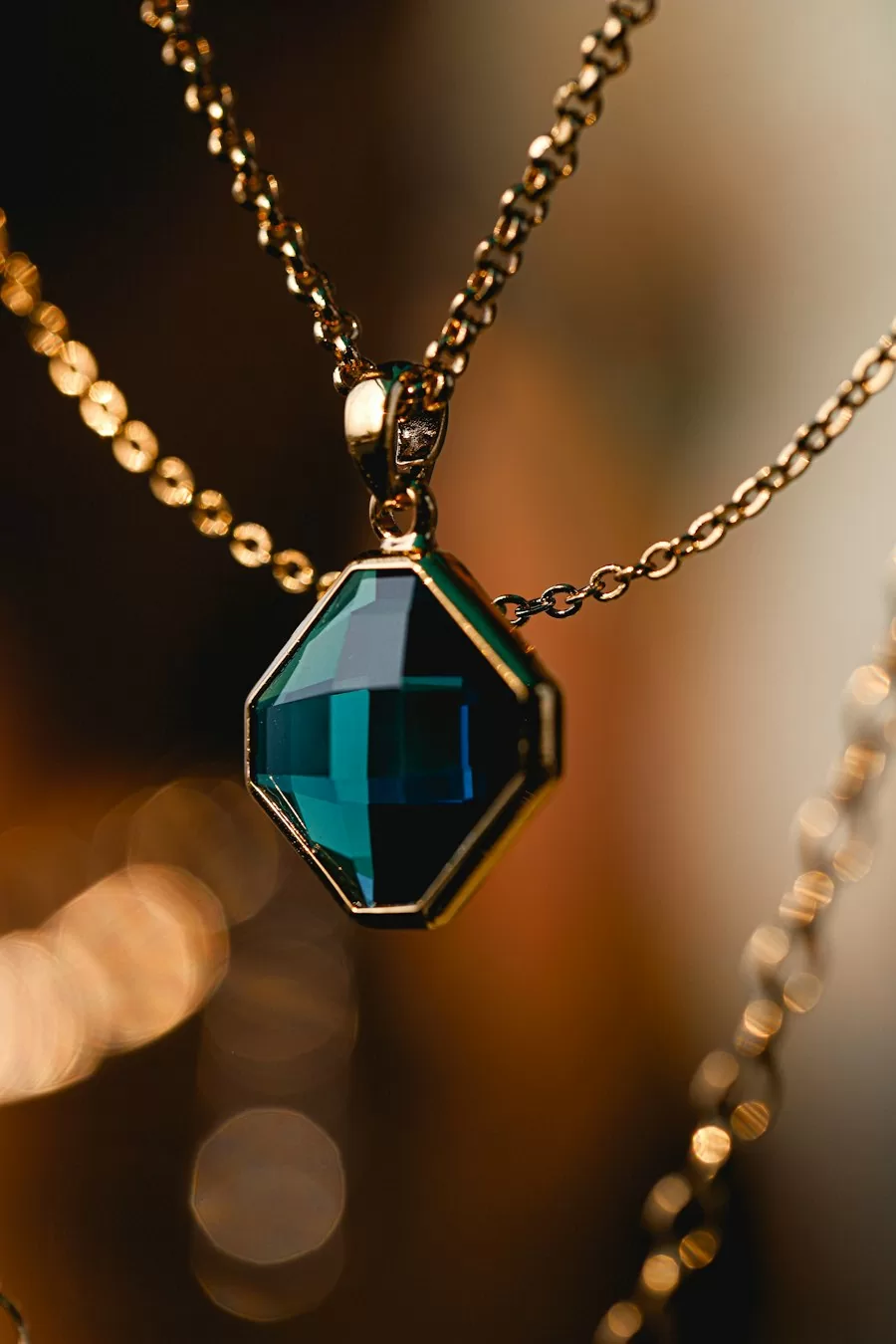
Most customers know moissanite (per Wikipedia) as a diamond alternative sold in engagement rings, but the stone's real story starts in a meteorite crater in Arizona, more than a century ago. Understanding that history is one of the easiest ways for retailers to build credibility with buyers who want to know what they are actually purchasing.
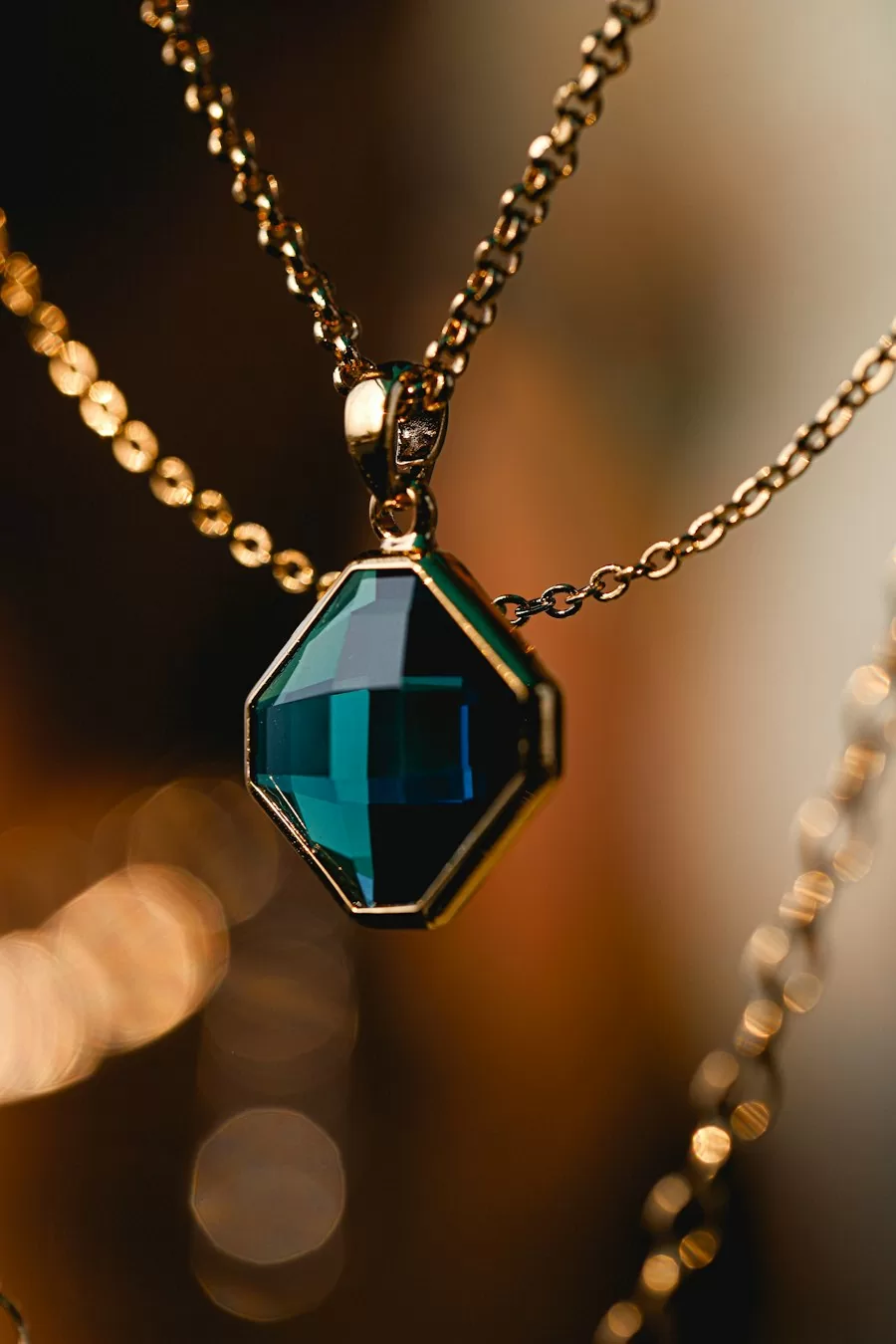
Henri Moissan and the Diablo Canyon meteorite
In 1893, the French chemist Henri Moissan was examining meteorite samples from the Diablo Canyon crater in Arizona when he discovered tiny crystals he initially mistook for diamonds. Closer analysis showed they were a different material: silicon carbide. The mineral was later named moissanite in his honor. Natural moissanite is extraordinarily rare on Earth. It occurs in meteorites, in certain rock formations, and in tiny industrial concentrations, but gem-quality natural crystals are effectively nonexistent. There will never be a mine producing natural moissanite jewelry at scale.
Moissan himself won a Nobel Prize in chemistry for unrelated work on isolating fluorine, but the mineral that carries his name outlived his reputation in popular culture.
From industrial abrasive to semiconductor
For nearly a century after Moissan's discovery, silicon carbide had industrial uses rather than jewelry ones. It is extremely hard, heat-resistant, and chemically stable, which made it valuable as an abrasive, in grinding wheels, and later as a substrate material for high-power electronics and LEDs. The techniques developed to grow large, pure silicon carbide crystals for industry are exactly the techniques that later made gem-quality moissanite possible. The semiconductor industry effectively paid for the manufacturing infrastructure that the jewelry industry now uses.
The first gem moissanite
Gem-quality moissanite as a consumer product arrived in the late 1990s, after researchers developed methods to grow large, colorless silicon carbide crystals in controlled lab environments. Early stones tended to show a slightly yellow or greenish tint, which limited their appeal to buyers seeking a diamond-white look. Over the following decades, growing techniques improved, producing near-colorless and colorless grades that could compete visually with diamonds in the D-to-F color range.
Why the distinction matters for retailers
When a customer asks "is moissanite real?", the honest answer is that it is a real mineral with a real chemical composition, grown in a laboratory rather than mined from the ground. It has the same silicon carbide structure as the crystals Moissan found in the meteorite. It is not a plastic simulant, not glass, and not a coated stone. Saying this plainly, and being willing to explain that natural moissanite is too rare to wear, builds trust faster than vague marketing language does.
The history also explains why moissanite sparkles differently from diamond. Silicon carbide has a higher refractive index and stronger dispersion than diamond, which is why a well-cut moissanite shows more fire and colorful flashes. This is not a flaw; it is a material property, and it is the reason some buyers actively prefer it.
Natural versus lab-grown: the honest distinction
Retailers sometimes worry that telling a customer "this is lab-created" undermines the product. In practice, the opposite is true. Natural moissanite is so rare that no customer could ever have bought one without it being a museum piece. The stone in the jewelry case is the only version of moissanite that has ever existed at commercial scale, and it is chemically and optically identical to the crystals in the meteorite. Saying this plainly also protects you from the customer who later sees a misleading marketing claim elsewhere and feels misled. A brief, accurate explanation of the mineral, its hardness, and its origin is enough; you do not need to overstate the comparison to diamond.
Where the industry is heading
Moissanite has moved from a niche alternative into a mainstream bridal category. Growing techniques continue to improve, new fancy shapes and colors expand the catalog, and retail buyers increasingly treat it as a permanent category rather than a trend. For retailers, the historical story is a quiet advantage: it gives you a credible, accurate explanation of what the stone is, where it came from, and why it behaves the way it does. That explanation, delivered without hype, is what turns a curious browser into a confident customer.
When a customer asks whether moissanite will "last," the honest answer is that the mineral itself is among the most stable gem materials ever grown. It will not cloud, fade, or change color with normal wear. What wears out is the setting around it, and that is a service you can provide. Telling that story accurately, instead of leaning on vague marketing language, is what builds a brand customers trust for years rather than a single transaction. The meteorite connection, the Nobel laureate behind the name, and the industrial origins are not decoration; they are the substance behind a product that has earned its place in the bridal case. For the step after the history lesson, our explainer on how moissanite is grown walks through the crystallization that turns that mineral into the stones you sell.
Frequently Asked Questions
Is moissanite a good diamond alternative for retail buyers?
Yes for price-sensitive customers who want brilliance and hardness. Moissanite ranks 9.25 on the Mohs scale, holds up to daily wear and costs a fraction of a natural diamond of the same size, so it resells fast in bridal and fashion lines.
What is the minimum order for wholesale moissanite?
MOQ starts at 50 pieces per design for stock items. Custom cuts and private-label settings usually start at 100–300 pieces depending on the mold.
Do you provide certificates with moissanite stones?
Yes. Every parcel ships with GRA or IGI documentation listing carat weight, color grade and cut. We recommend passing the certificate to your end customer for trust.
How long does sample and bulk production take?
Samples ship in 3–5 days. Bulk runs take 15–20 days under 500 pieces, and 25–30 days for custom work.




