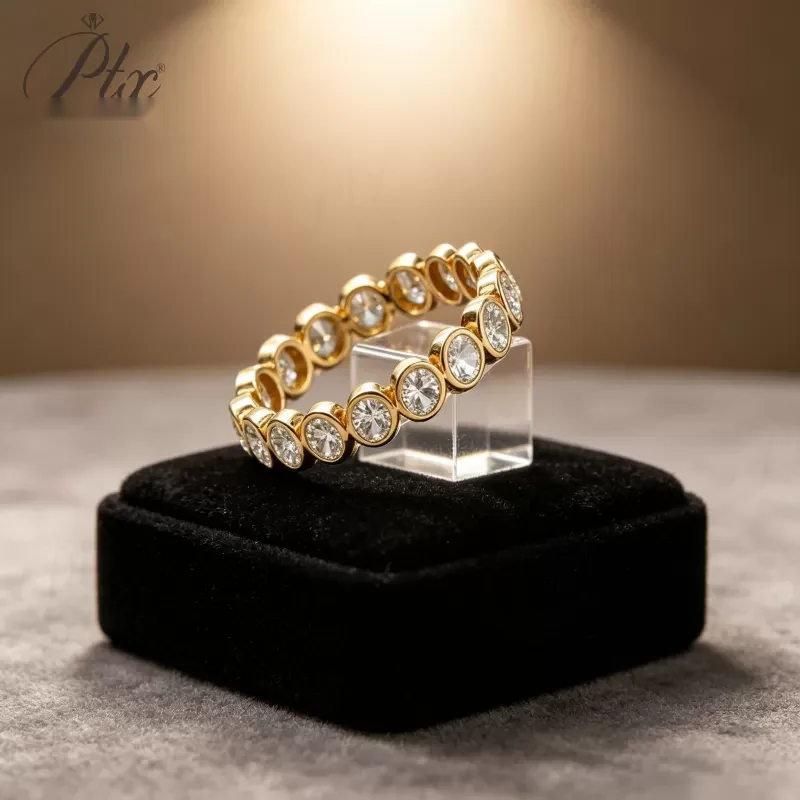
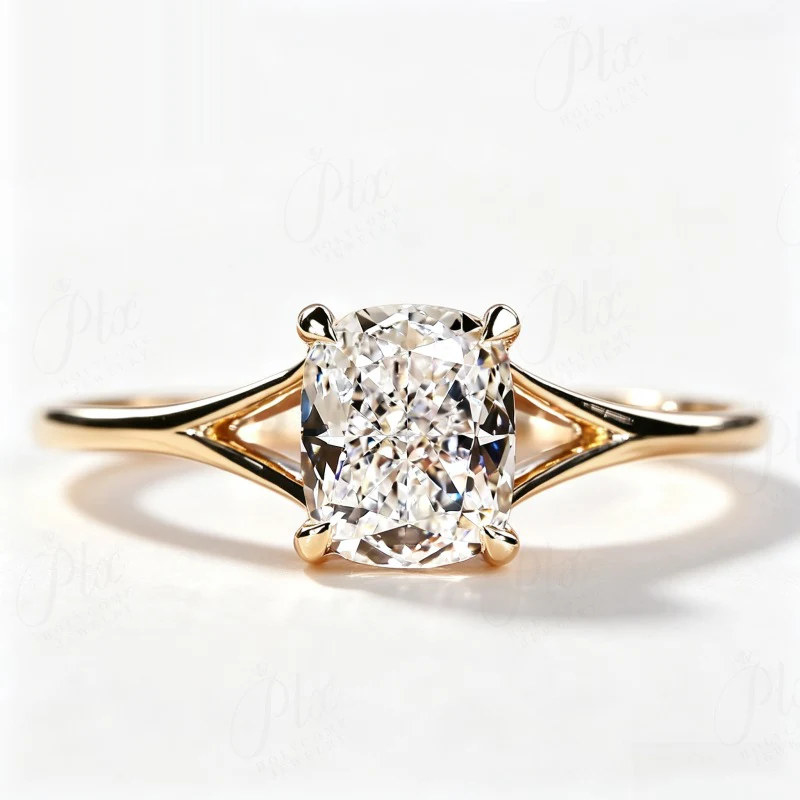
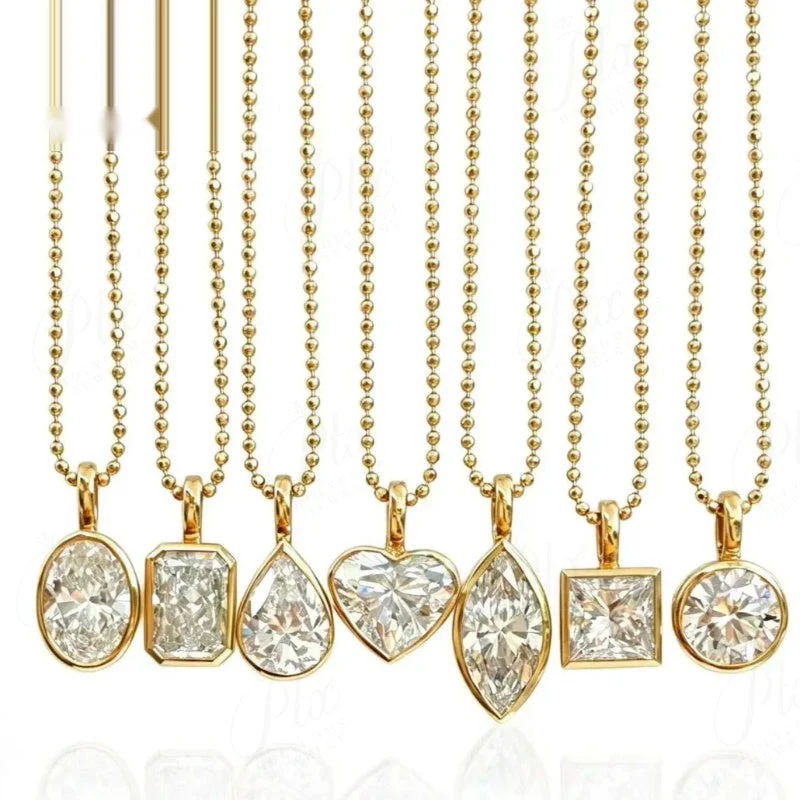
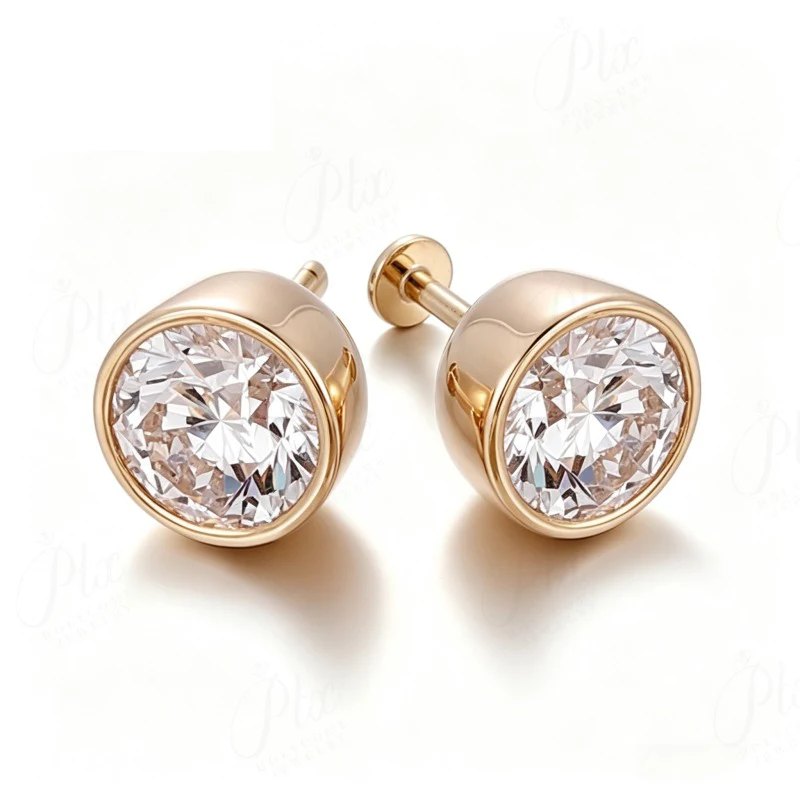
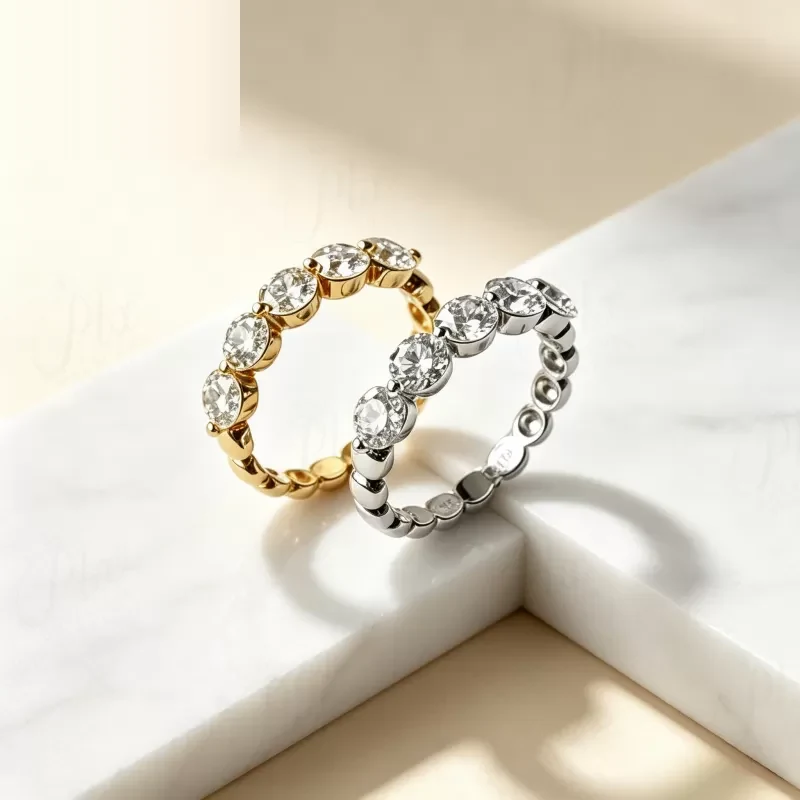
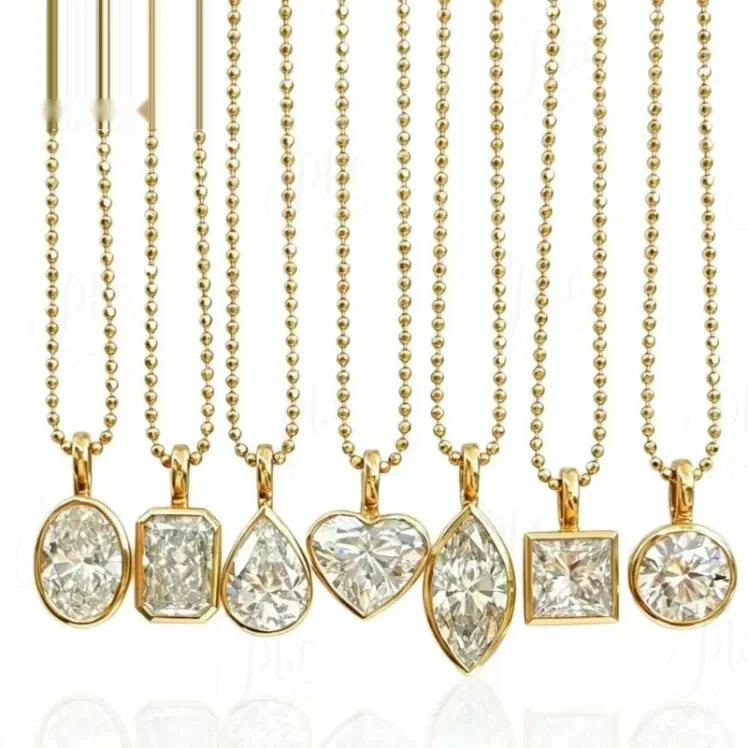
A reseller asks you: should I spend my opening buy on moissanite or lab-grown diamonds? Both are lab-created, both sit below natural diamond on price, and both require the same FTC disclosure. The decision comes down to customer base, margin structure and inventory turnover—not which stone is “better”. Let us lay the numbers side by side so you can model the first six months of stock.
The cost gap that drives everything
A 1-carat equivalent, D-color, VVS, 3EX-cut loose moissanite wholesales at roughly $5–$15 in 50-piece lots. A comparable 1-carat, D-color, VVS, excellent-cut lab-grown diamond with an IGI report wholesales at roughly $200–$400 (prices move with the CVD/HPHT market and have fallen roughly 50% over the last five years). That is a 20× cost difference for a stone that looks similar at arm’s length, and it is the number that determines which customer walks out with which product.
Retail prices reflect the gap: a moissanite solitaire retails at $150–$400; a comparable IGI lab-grown solitaire retails at $1,200–$2,500. Read the full market context on lab-grown diamond, including why De Beers entered the lab-grown segment with Lightbox at deliberately low prices.
Who buys which stone
- Moissanite buyers: fashion-led bridal, younger customers, gift market, anyone who wants a white stone at a $200 ticket. They care about fire, size and price per carat equivalent, and they are not comparing against natural diamond pricing.
- Lab-grown diamond buyers: customers who want a real diamond experience at 30–50% below natural. They expect an IGI report, ask about the 4Cs, and compare against natural diamond pricing online before they walk in.
If your customer base is on Etsy, Instagram Shop or a boutique bridal shop under $500 ticket, moissanite wins. If you are selling engagement rings at $1,000+, the customer expects IGI paperwork and a real diamond—stock lab-grown. Mixing the two in the same case is fine, but tag each clearly; the FTC Jewelry Guides requires “lab-grown” to mean diamond, not moissanite, and conflating the terms on a tag is a disclosure violation.
Margin and turnover math
Moissanite turns fast. A 50-piece lot at $10 cost and $150 retail is a 15× markup at retail, and pieces move in weeks. Margin percentage is high; absolute dollars per sale are modest. Lab-grown diamonds turn slower—a 1-carat stone may sit 4–8 weeks—but the dollar margin per sale is $400–$800. A shop that stocks both will find that moissanite covers the rent and lab-grown covers the profit.
Smart resellers stock both: moissanite as the entry ticket that brings customers in, lab-grown as the upsell when a customer wants the “real diamond” story. They are not substitutes; they are two price tiers, and the sales conversation flows from one to the other once you have built trust on the moissanite side.
What to watch
Lab-grown diamond wholesale prices have fallen 50%+ over the last five years as CVD capacity expanded. Moissanite prices have been comparatively stable because the SiC growth process is more specialized. If you tie up capital in LGD inventory, plan for further price compression and weaker resale—see our resale expectations for context on how both stones behave secondhand. Stock moissanite for cash flow; stock LGD for higher-ticket customers. For the opening buy, model the first order using the MOQ tiers so you do not overcommit on either side.
Frequently asked questions
Can I sell moissanite as lab-grown diamond?
No. FTC rules require the stone to be named correctly. Moissanite is silicon carbide; lab-grown diamond is carbon. They are different products.
Which has better resale value?
Both are weak, but lab-grown diamond recovers a slightly higher percentage because of the IGI report and higher retail ticket.
Which is harder to authenticate?
Moissanite is easy (loupe doubling, thermal tester). Lab-grown diamonds require specialist screening to separate from natural, but IGI reports remove that burden.
What should a first-time reseller buy?
Start with 50 pieces of 6.5 mm D-color moissanite in 925 silver settings. It proves demand before you commit capital to LGD inventory.
Do customers confuse the two?
Often. Use the diamond tester script and the GRA certificate to set expectations on the spot, and offer the LGD upgrade as a clear next step.
A practical stocking rule for a new shop: open with 80% moissanite and 20% lab-grown by piece count, and rebalance based on which customer segment actually walks through the door. If the average ticket stays under $500, lean further into moissanite shapes (oval, pear, cushion) that sell on size and fire. If you start booking $1,500+ engagement appointments, grow the IGI-graded LGD inventory and let the moissanite line remain the entry ticket that brings those customers in. The two tiers do not cannibalize each other; they filter the same shopper by budget.
Watch the wholesale price index on LGD quarterly. Because CVD capacity keeps expanding, a stone you buy this quarter for $300 may cost $250 next quarter. Do not tie up working capital in large LGD lots; reorder in smaller batches and let the supplier hold the stock. Moissanite, by contrast, prices more stably and is safe to stock deeper.
Wholesale CTA: HOLYCOME supplies moissanite at the entry tier and can introduce IGI-graded lab-grown partners for your premium line. Request both price lists side-by-side and compare with our supplier checklist.