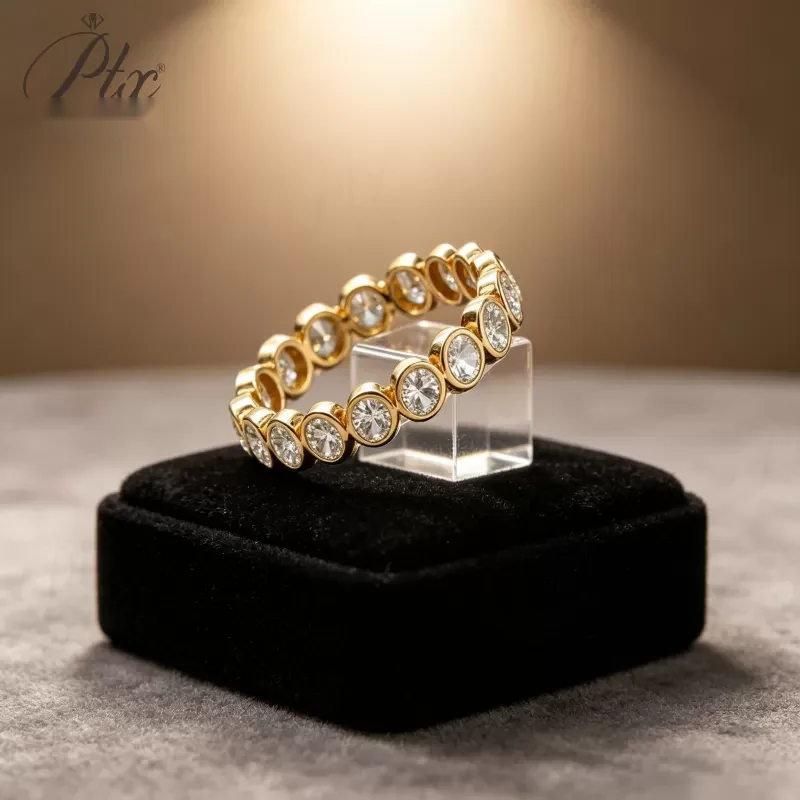
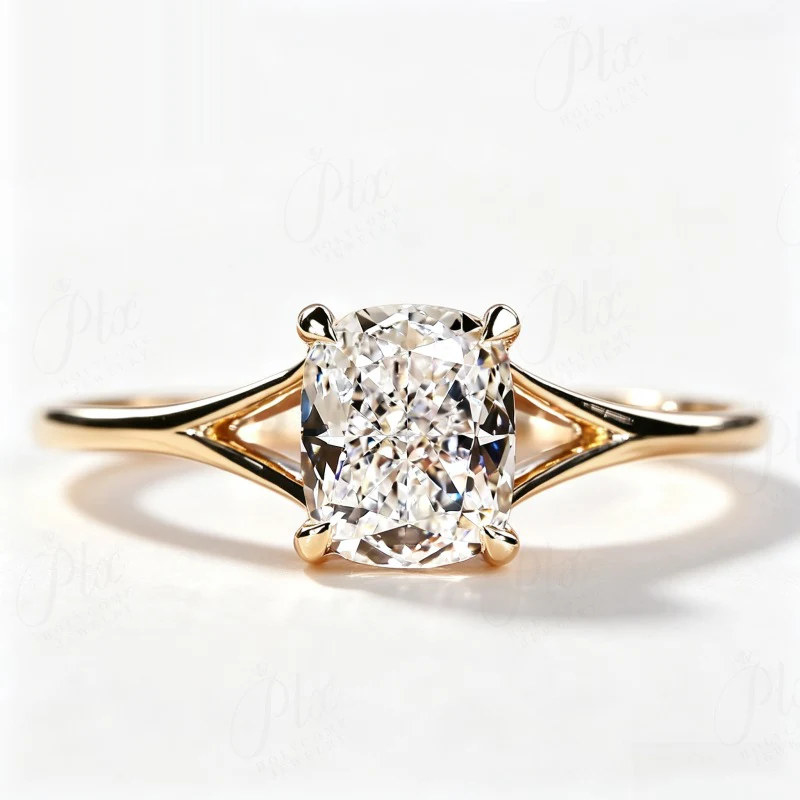
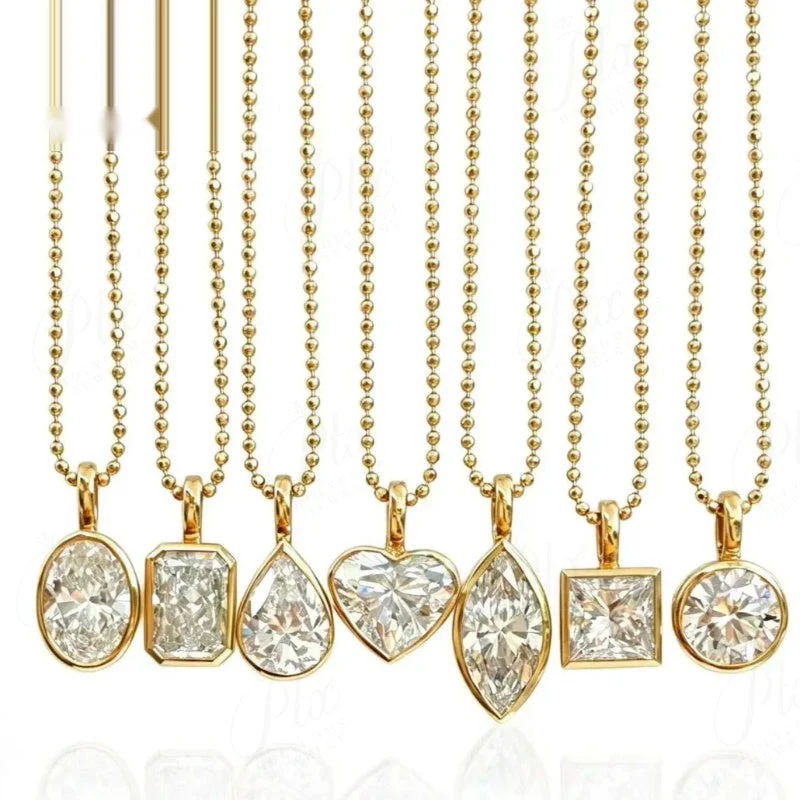
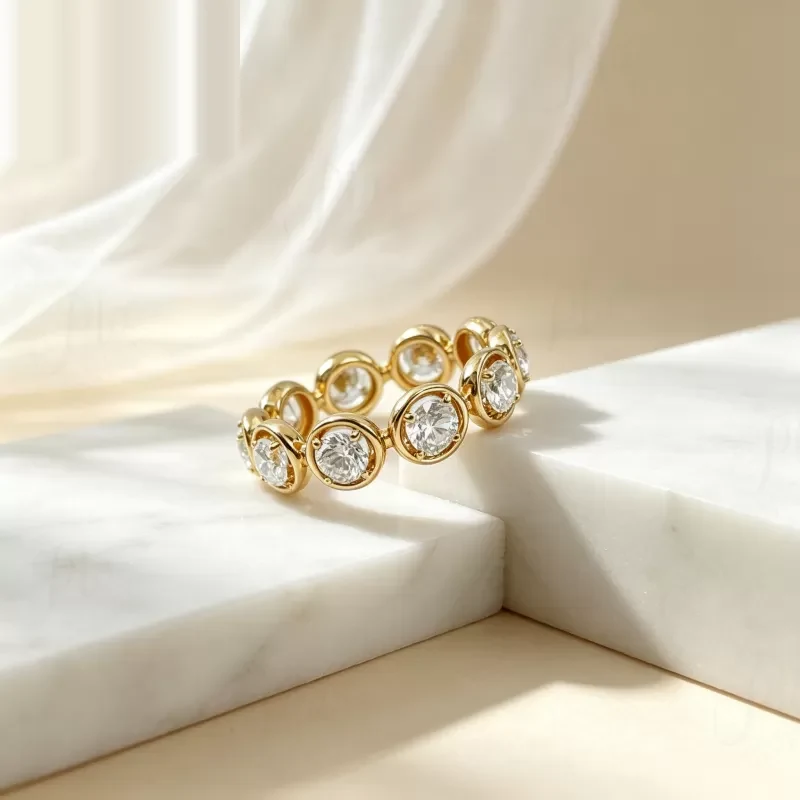
A customer walks in with a loose stone, a $20 thermal tester bought online, and a claim: “It says diamond, so it must be diamond.” You know it is moissanite because you sold it to them last month. How do you explain the result without sounding like you are disputing the machine, or worse, like you are backpedaling on a disclosure you should have made at the counter?
Why basic testers get confused
Most consumer and entry-level jeweller testers measure thermal conductivity. Diamond conducts heat unusually well—about five times better than copper, which is why a real diamond feels cold on the lip in winter. The tester heats a metal tip and measures how fast heat flows into the stone. Silicon carbide (moissanite) also conducts heat very well, in the same ballpark as diamond. As a result, a typical $30–$80 thermal diamond tester will light up “diamond” on a moissanite stone, every time, no matter how well cut or how high the color grade.
This is a known limitation of the tool, not a property that makes moissanite “real diamond”. The Wikipedia on moissanite entry explicitly notes that moissanite was sometimes misidentified as diamond by early testers before the industry added electrical sensing. Cubic zirconia, by contrast, conducts heat poorly and will read “non-diamond” on the same instrument—see our CZ impostor guide for the side-by-side bench test.
Electrical testers separate the two
Higher-end multi-testers (Presidium MultiTester III and similar benchtop units in the $200–$400 range) add an electrical conductivity measurement. Diamond is normally an insulator; moissanite is a semiconductor. When the tool runs both tests in sequence, it can call “moissanite” rather than “diamond” with high confidence. If your shop sells both diamond and moissanite, a multi-tester is a tool that pays for itself in the first month, because it settles customer disputes in ten seconds instead of ten minutes of explanation.
What this means at the point of sale
If a customer tests a moissanite ring at home and tells you the tester says diamond, do not argue with the reading. Explain the tool: entry-level thermal testers cannot separate SiC from diamond, and that is a known engineering limit, not a trick. Then show them the loupe test—doubled back facets are visible in moissanite under 10× magnification—and point them to the GRA card in the box. The FTC Jewelry Guides requires you to name the stone as moissanite on the tag regardless of what any consumer tester reads, and that disclosure protects you from exactly this conversation.
The bigger disclosure point
The fact that moissanite passes a cheap tester is not a selling point. It is a reason to be extra careful with labeling. Under 16 CFR Part 23 and the FTC Jewelry Guides, marketing a moissanite ring as “tester-proof diamond” or “passes as diamond” is a misrepresentation. The honest phrasing is: “lab-grown moissanite, silicon carbide, graded D-color VVS, with a GRA certificate”. If a customer wants a stone that reads as diamond on a thermal tester and expects that to mean something, the upsell conversation is a real lab-grown diamond with an IGI report—see our LGD vs moissanite stocking guide for how to position that tier. For a starter stock of loose stones to demo both, the MOQ guide covers the math.
Frequently asked questions
Will moissanite pass a diamond tester?
On a basic thermal tester, yes—it reads as diamond. On a combined thermal/electrical multi-tester, it correctly reads as moissanite.
Does that mean moissanite is indistinguishable from diamond?
No. A loupe shows doubled back facets, and a 10-second multi-tester measurement separates them. Trained gemologists use the GIA 4Cs combined with refractive index measurement.
What about cubic zirconia on the same tester?
CZ reads “non-diamond” on thermal testers, because ZrO2 is a thermal insulator.
Can I advertise moissanite as “tester passes”?
Avoid it. The FTC treats “passes as diamond” claims as deceptive. Disclose the stone species by name.
Should I buy a multi-tester for my shop?
If you stock both diamond and moissanite, yes. It settles disputes with customers in seconds and supports the disclosure on your GRA cards.
The other side of this conversation is the customer who bought a $20 tester online expecting it to settle the question. Be generous with them: explain the tool, show them the loupe test, and give them a care card. They will leave trusting the stone and likely come back for the next piece, because most customers only want to know they were not misled. The shops that treat the tester question as an accusation lose the customer; the shops that treat it as a teaching moment turn it into a referral.
For your own bench, the multi-tester is also a useful incoming-QC tool. When a parcel arrives, run a quick multi-tester sweep: every stone should read moissanite, not diamond and not non-diamond. Any stone that reads non-diamond is either CZ or glass, and should go back to the supplier before it hits a display card. This 30-second sweep catches the same substitution problems we describe in our impostor guide, at the bench rather than at the customer’s counter.
Wholesale CTA: HOLYCOME ships every moissanite parcel with a GRA card that names the stone as synthetic moissanite. Request a sample pack and our disclosure-label templates for retail tags.