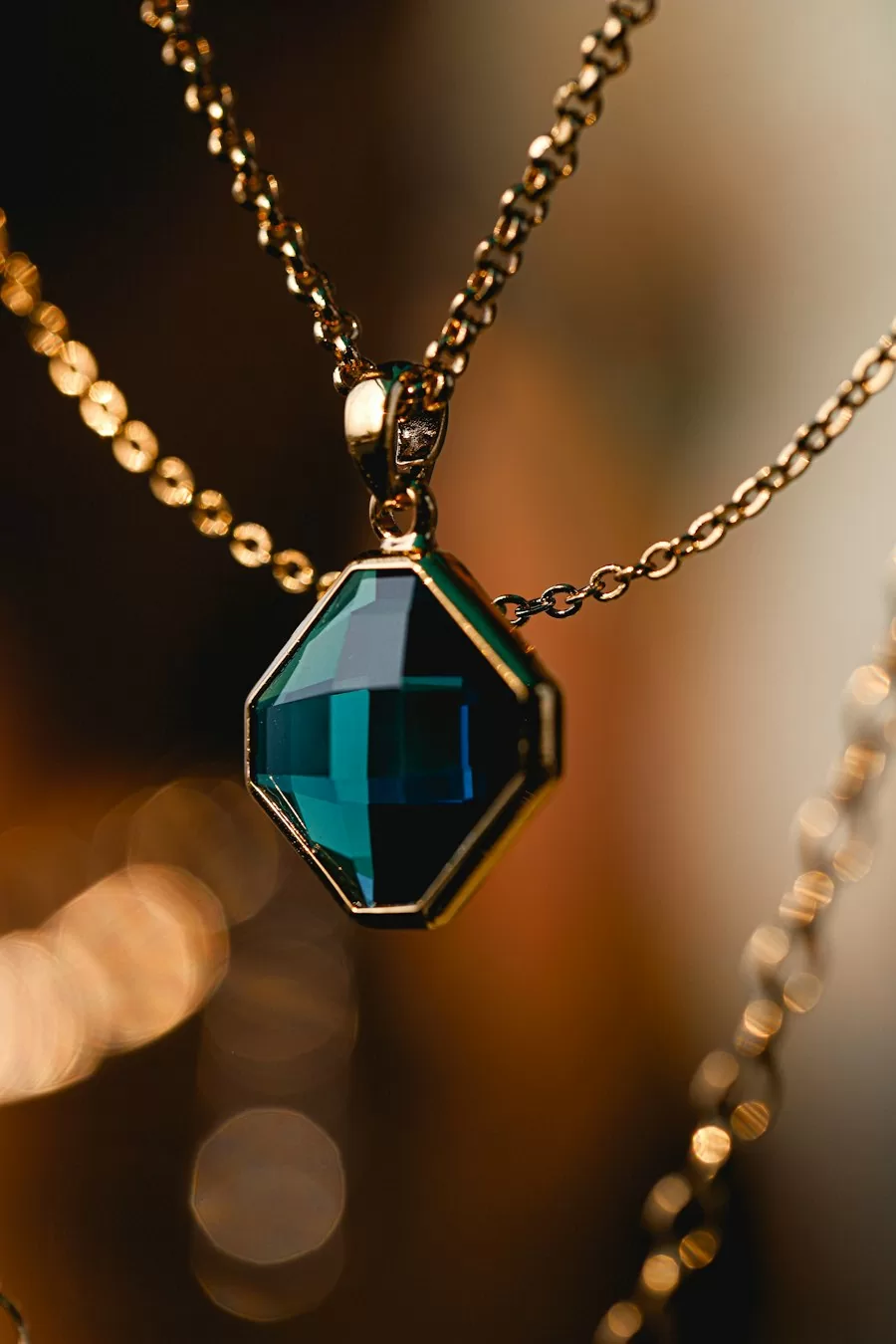
One of the first questions a curious buyer asks is whether moissanite still looks like this when she leaves the store. It is a fair question. Showroom lighting is engineered to flatter, and a stone that dances under halogen spots can look flat under cooler domestic light. The reassuring news is that moissanite is unusually consistent across lighting conditions, but there are real differences worth understanding so your staff can set expectations honestly.
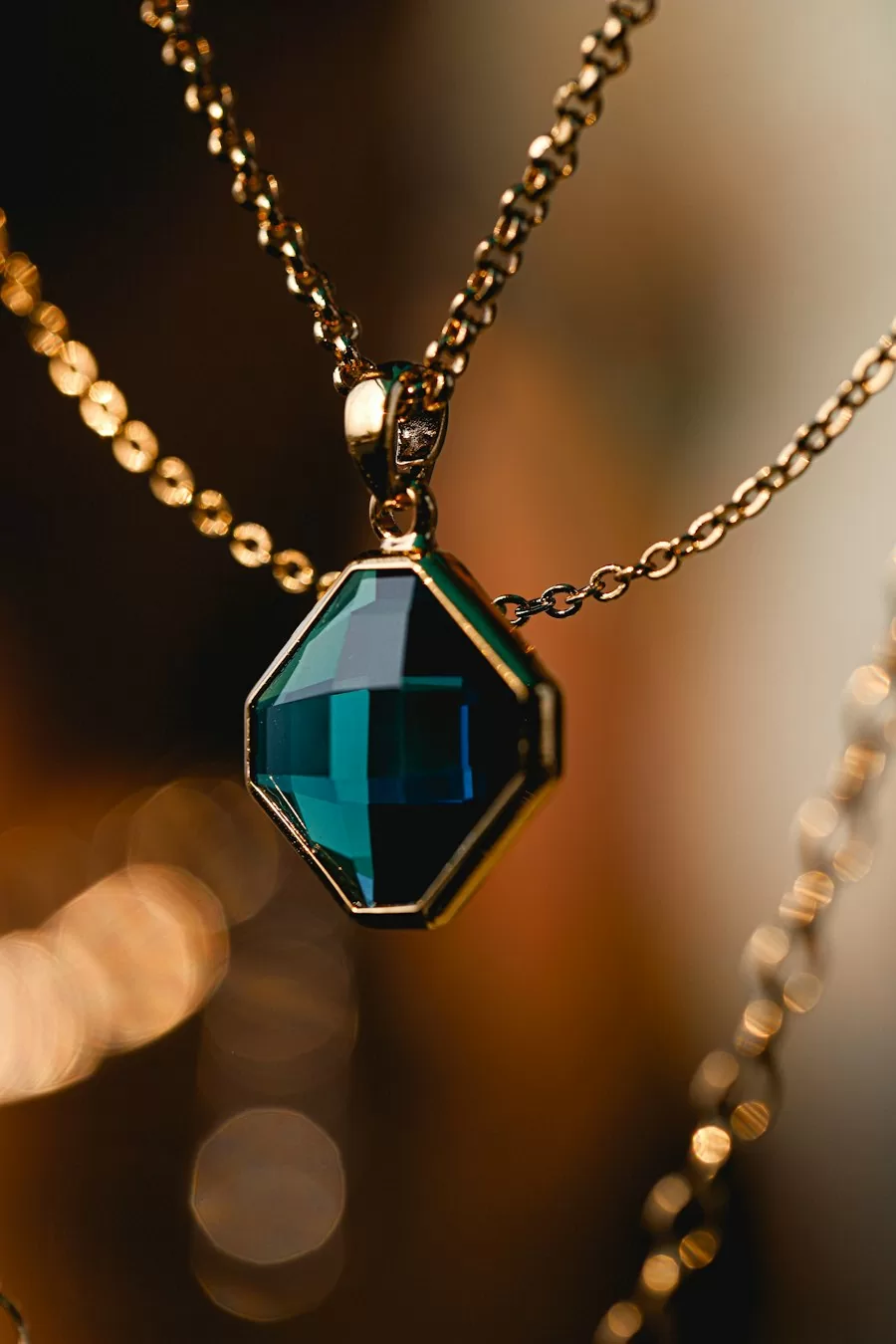
Before walking through each environment, it helps to know the two properties doing the work. Brilliance is the white light bouncing back out the top of the stone. Fire is the dispersion of that white light into spectral flashes of color. Moissanite has a dispersion rating roughly double that of diamond, which is why the colored flashes are more pronounced. A well-cut stone manages both across whatever light it meets.
Natural daylight
In direct daylight, moissanite looks bright, clean, and colorless in D-F grades. The fire can be bold, almost prismatic, especially on a sunny afternoon. This is the light where the stone looks its absolute best, and it is also the light a buyer will see it in most often, at brunch, at the office window, on a weekend walk. If a customer wants to step outside with the ring, let them. They will come back inside more interested, not less.
In overcast or shaded daylight, the stone still reads brilliantly because it is collecting soft ambient light from all directions. The fire softens into gentler flashes, which most buyers describe as elegant rather than weak.
Warm incandescent and candlelight
Warm, yellow-tinted light is where moissanite dispersion really shows. The longer wavelengths bring out the warmer spectral flashes, and a well-cut stone will throw little rainbows across a tablecloth in a dim restaurant. This is the light of dinners, evening events, and candlelit proposals. It is also the light in which a moissanite often out-performs a diamond of similar size, because the warmer light flatters the stone fire.
Staff should mention this directly. A buyer who plans to wear the ring in the evening will love hearing that it looks best exactly when she is dressed up.
Cool LED and office lighting
Cool white LED is the hardest light for any colorless stone, including diamond. It flattens tone and can make a near-colorless stone look slightly gray or lifeless. Moissanite handles this better than most simulants because the cut quality matters more than the light source, but a poorly cut stone will struggle here. This is exactly why buying to a trusted cut grade, rather than to the cheapest loose stone on a wholesale sheet, pays off.
One practical tip for your shop: avoid cool blue LED directly over the jewelry case if you want customers to see the stone fairly. Warm 3000K to 3500K display LEDs show moissanite fire without exaggerating it.
Showroom and spot lighting
Concentrated spotlights create the brightest, most theatrical sparkle. This is the light under which every stone looks its best, and buyers rightly wonder if the effect is real. The honest answer is that the spotlight amplifies what is already there. If a stone looks flat when you rotate it under a warm bulb, it will not magically improve on a real wrist. Train your staff to rotate the ring under multiple light sources in the case, and to offer the window-sunlight test, so the buyer leaves convinced the sparkle is the stone, not the lighting.
What to tell the customer
Troubleshooting: when a customer says the ring looks different at home
Occasionally a customer comes back saying the ring looked brighter in the store than it does at home. Ninety percent of the time, the issue is not the stone but the lighting in their home. Cool LED bulbs in a bathroom or kitchen wash out the fire. Suggest she view the ring under warm bulbs, near a window, or in evening light, and the sparkle usually comes back.
If the ring genuinely looks dull, check the underside. Skin oils and soap buildup under the stone mute the reflection far more than the stone itself. A quick steam cleaning at your bench restores the original brilliance in minutes. Most customers are relieved to learn the ring is not flawed; it just needed a clean.
Use these moments as teaching opportunities. Walk the customer through what you are doing and hand over the care tips. A customer who understands why her ring dims and how to fix it at home becomes a confident, repeat buyer who sends friends your way.
The one-sentence version is: moissanite looks bright and colorless in daylight, throws the most color in warm evening light, and stays lively under normal indoor lighting far better than cheaper simulants. Say it plainly, hand the buyer the ring, and let them watch it move. For the deeper science behind why the fire is stronger, read our piece on the science of moissanite brilliance and fire, and review moissanite clarity characteristics so you can answer the next question with confidence.
Independent background on moissanite — how its hardness and refractive index compare with diamond — is documented in the Wikipedia article on moissanite.
Related reading: Moissanite Fluorescence Explained: What Retail Buyers See Under UV Lig, Why Moissanite Sparkles More: The Science of Brilliance and Fire, What Retail Customers Are Actually Buying in Moissanite in 2026.
Frequently Asked Questions
Is moissanite a good diamond alternative for retail buyers?
Yes for price-sensitive customers who want brilliance and hardness. Moissanite ranks 9.25 on the Mohs scale, holds up to daily wear and costs a fraction of a natural diamond of the same size, so it resells fast in bridal and fashion lines.
What is the minimum order for wholesale moissanite?
MOQ starts at 50 pieces per design for stock items. Custom cuts and private-label settings usually start at 100–300 pieces depending on the mold.
Do you provide certificates with moissanite stones?
Yes. Every parcel ships with GRA or IGI documentation listing carat weight, color grade and cut. We recommend passing the certificate to your end customer for trust.
How long does sample and bulk production take?
Samples ship in 3–5 days. Bulk runs take 15–20 days under 500 pieces, and 25–30 days for custom work.




