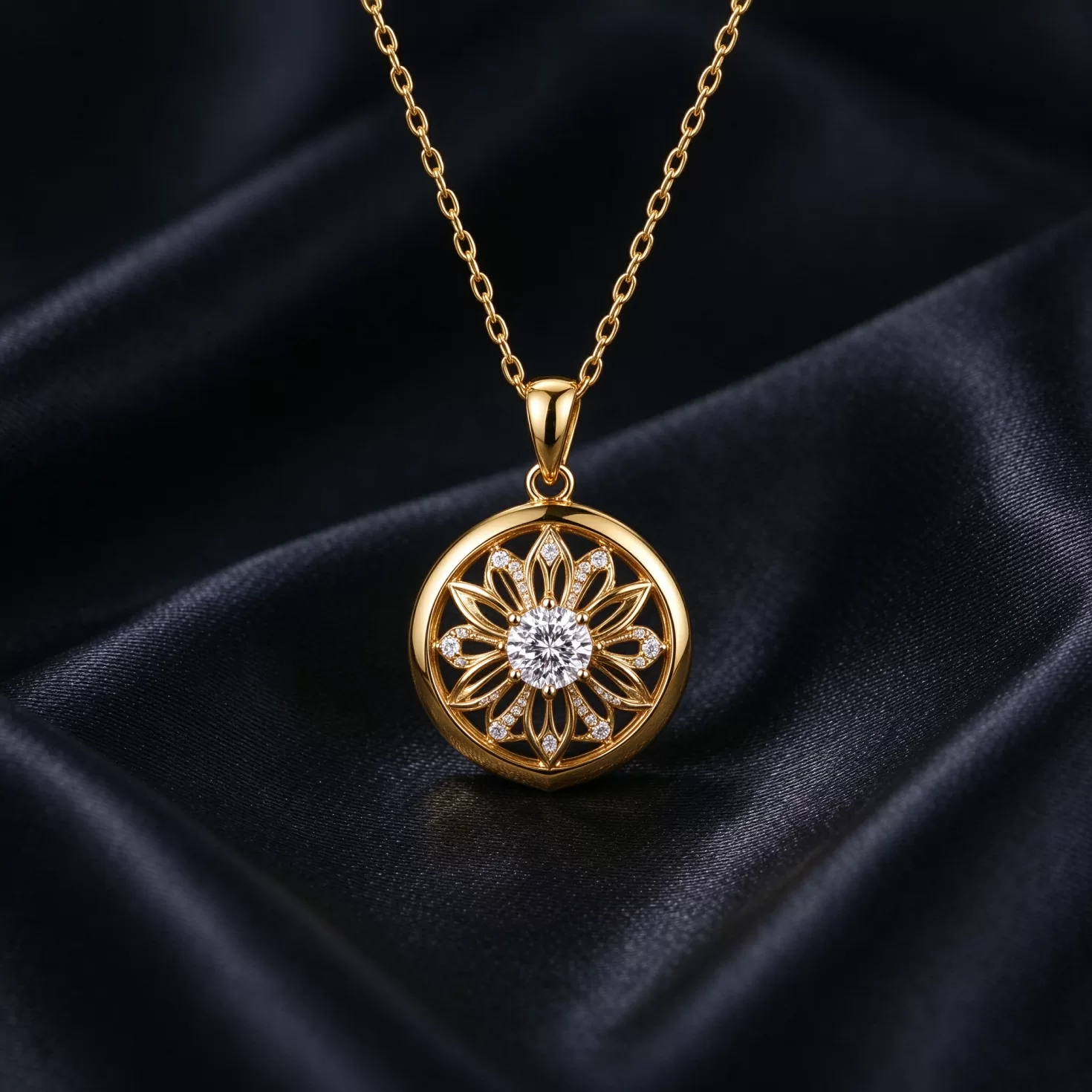
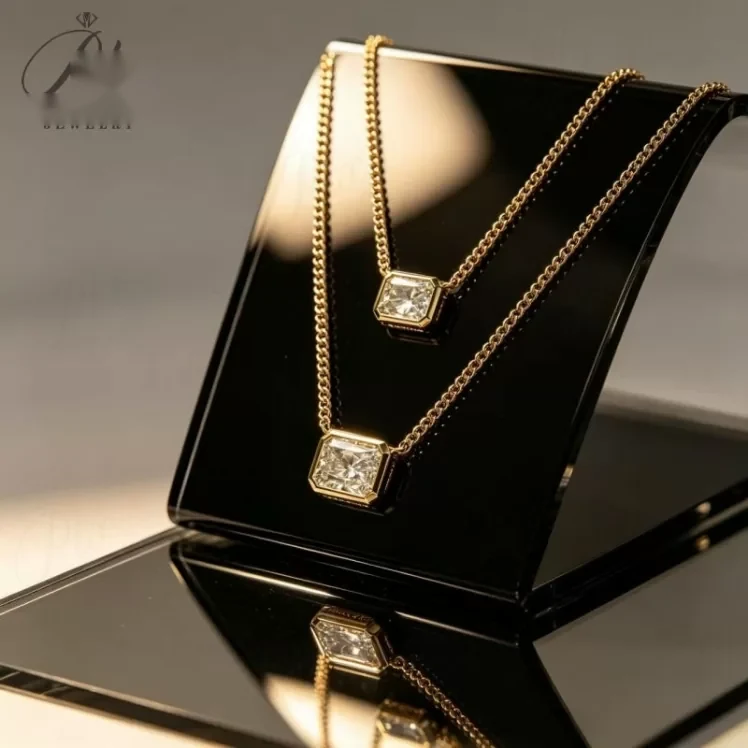
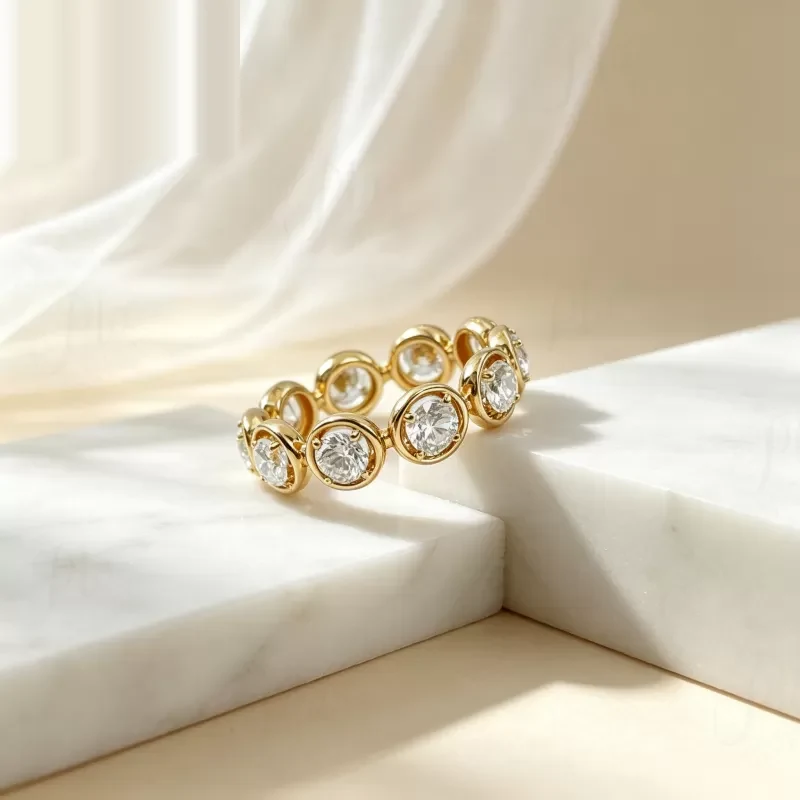
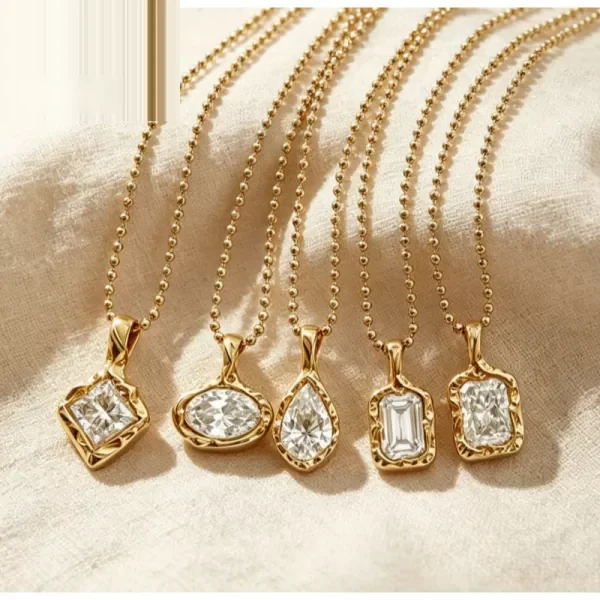
When a buyer says "I want a white stone that looks like diamond," four options come up: cubic zirconia (CZ), white sapphire, zircon, and moissanite. The price gap between the cheapest and the most expensive is about 15x. Most retailers do not explain the gap to their customers. They should, because it determines return rate.
The four white-stone alternatives
- Cubic zirconia (CZ): synthetic, glass-like, Mohs 8.5. Brilliant new, dull after 6–12 months of wear. $0.50–$3 per carat at wholesale.
- Zircon (natural): mined, Mohs 6.5–7.5. Dispersive, older jewelry favorite. $15–$60 per carat. Scratches easily.
- White sapphire: mined corundum, Mohs 9. Near-colorless, quiet, almost no fire. $80–$250 per carat wholesale depending on clarity.
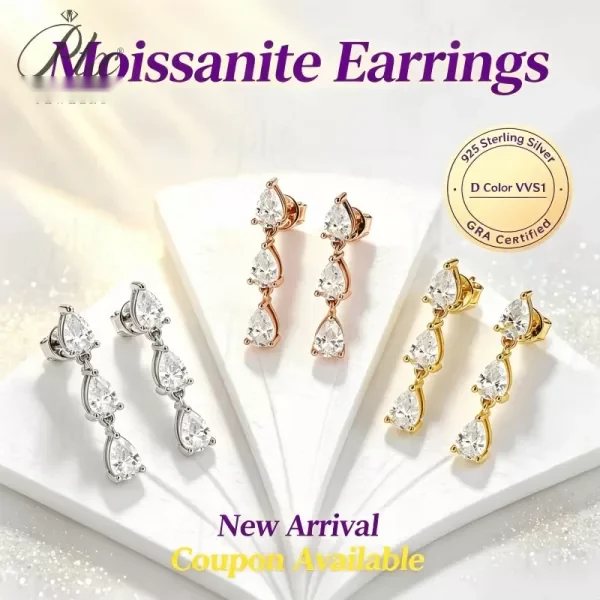
- Moissanite: synthetic SiC, Mohs 9.25. High fire, D-to-I color buckets. $8–$25 per carat-equivalent wholesale.
What the customer actually notices
Tested against a 1ct round in a silver setting:
| Stone | New-out-of-box sparkle | Sparkle after 12 months wear | Color in skin tone | Wholesale cost /ct |
|---|---|---|---|---|
| CZ | High (artificial) | Dull, cloudy | Neutral | $0.80–$2.50 |
| Zircon | High fire | Rounded facets, worn look | Neutral | $15–$40 |
| White sapphire | Quiet, diamond-like | Nearly unchanged | Slightly gray | $80–$200 |
| Moissanite | High fire, brilliant | Minor edge rounding | Faint gray-green at 3ct+ | $8–$22 |
Where each belongs in your assortment
CZ belongs in fashion jewelry under $60 retail, where the customer expects to replace the piece in a season. Selling CZ at $300 is the single fastest way to generate returns. Zircon is largely a vintage and revival category — it reads "old jewelry" and works in Victorian-style settings. White sapphire is for customers who want a mined stone at diamond-adjacent pricing, specifically the quiet no-fire look. It is the only one of the four that holds up at $800+ retail.
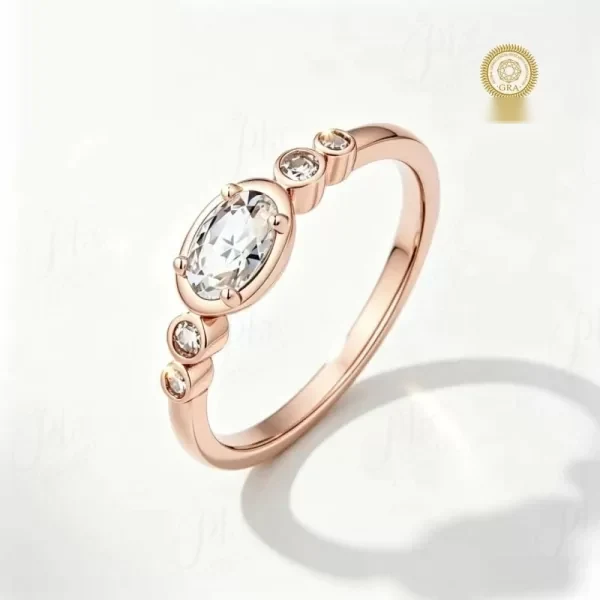
Moissanite sits in the middle: synthetic but hard, brilliant but not forever, priced to allow a 2ct stone at $400–$600 retail. It is the only option in this list that is genuinely a growth category in 2026.
The cost story most buyers miss
A silver setting with a $1 CZ retails at $45 and returns 8% of units. The same setting with a $14 moissanite retails at $195 and returns 1.5%. The margin per square foot of display case is usually higher on the moissanite, not lower. The CZ wins on ticket volume only if you are a fast-fashion channel — and most independent retailers are not.
Honest customer copy
Do not call CZ "diamond simulacrum" in a product title. Customers read that as "fake." Call it what it is: "cubic zirconia fashion stone." For moissanite, use "colorless moissanite" with a one-line note that it is a lab-grown stone, not diamond. Customers reward the honesty; the FTC has been enforcing jewelry disclosure since 2018.
Synthetic vs natural: why the price gap looks unfair
Buyers often ask why white sapphire, a mined stone, costs 10x more than moissanite, a synthetic. The answer is not quality. It is supply. White sapphire is a by-product of corundum mining, mostly in Madagascar, Sri Lanka, and Montana. The yield of clean colorless rough in a mine run is well under 1%. Moissanite is grown in a crucible at 2,300°C in a controlled building in Wuzhou. The supply scales with electricity, not with geology.
That does not make white sapphire a "better" stone. It makes it a scarcer one, and the price reflects scarcity, not brilliance. Customers who buy white sapphire are buying the story of a mined stone, not a better sparkle. Sell it as such.
Customer FAQ you should be ready to answer
- "Is this real?" Say yes, the stone is real. It is lab-grown, not mined. It is not plastic, not glass, not a simulant. It is silicon carbide.
- "Will it last?" Say yes for everyday wear. It will not last like a diamond. Over 10 years, facets can round.
- "Can you tell it is not diamond?" Say yes under a jeweler's loupe. The refractive index is higher, and a trained eye will see double refraction. At arm's length, no.
- "Can I upgrade later?" Say we do not offer trade-in on moissanite, but most customers treat the piece as a 5-year cycle and buy again.
These four questions come up on every product page. Write the answers into your listing. Customers who find them themselves do not send the email; customers who do not, send the return.
Where moissanite beats both the alternatives
There is a narrow band where moissanite is the objectively correct choice, not the cheaper one: 0.5ct to 2ct, everyday wear, silver or vermeil setting, retail under $600. Below that band, CZ is fine. Above that band, white sapphire or lab-grown diamond is better. In the middle, moissanite is the only white stone that is both hard enough and bright enough for daily life at a price the customer will not negotiate on.
If you are sourcing white stones at volume, our gemstone buyer guides cover the spec sheet we send on request for each stone type.
US federal rules for describing metals and gemstones in jewellery advertising are set out in the FTC Guides for the Jewelry, Precious Metals and Pewter Industries (16 CFR Part 23).
Related reading: Moissanite vs White Sapphire vs Cubic Zirconia: How to Position All Th, Moissanite vs White Sapphire: How Each Reads in Product Photos, Moissanite White Label Service Wholesale Supplier.
Frequently Asked Questions
Is moissanite a good diamond alternative for retail buyers?
Yes for price-sensitive customers who want brilliance and hardness. Moissanite ranks 9.25 on the Mohs scale, holds up to daily wear and costs a fraction of a natural diamond of the same size, so it resells fast in bridal and fashion lines.
What is the minimum order for wholesale moissanite?
MOQ starts at 50 pieces per design for stock items. Custom cuts and private-label settings usually start at 100–300 pieces depending on the mold.
Do you provide certificates with moissanite stones?
Yes. Every parcel ships with GRA or IGI documentation listing carat weight, color grade and cut. We recommend passing the certificate to your end customer for trust.
How long does sample and bulk production take?
Samples ship in 3–5 days. Bulk runs take 15–20 days under 500 pieces, and 25–30 days for custom work.