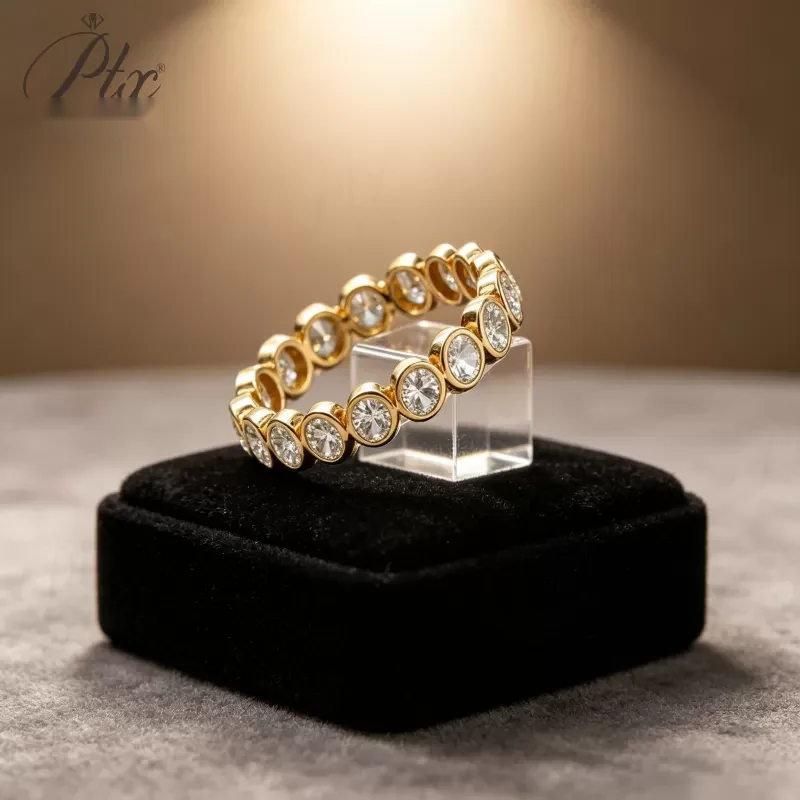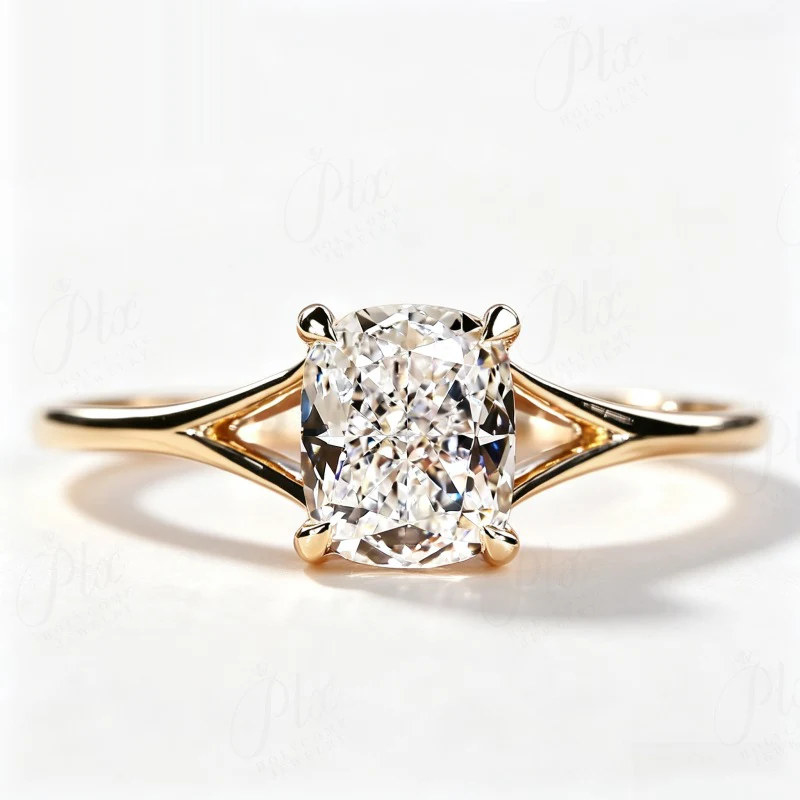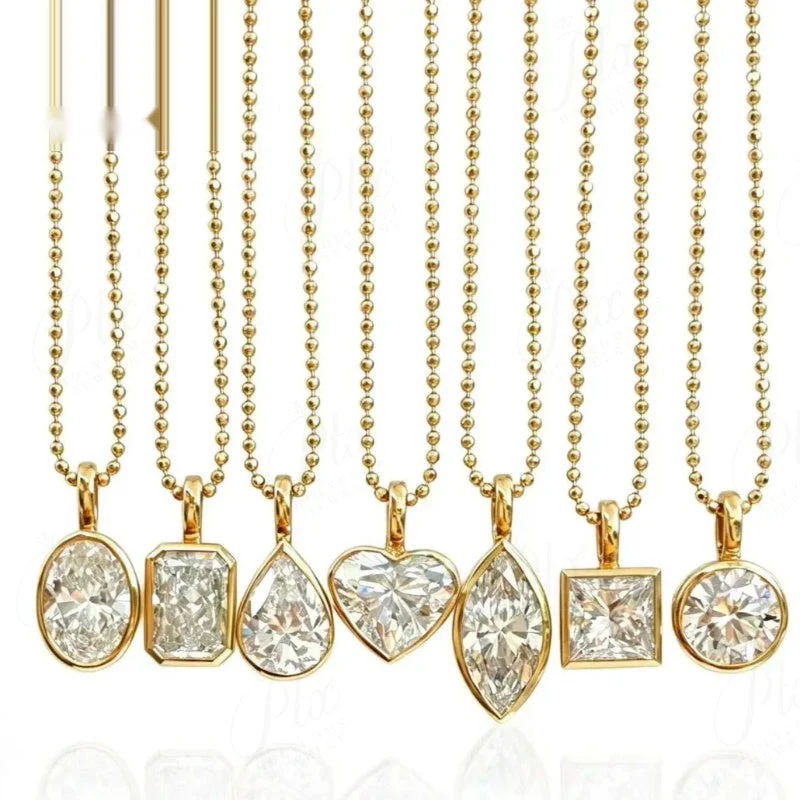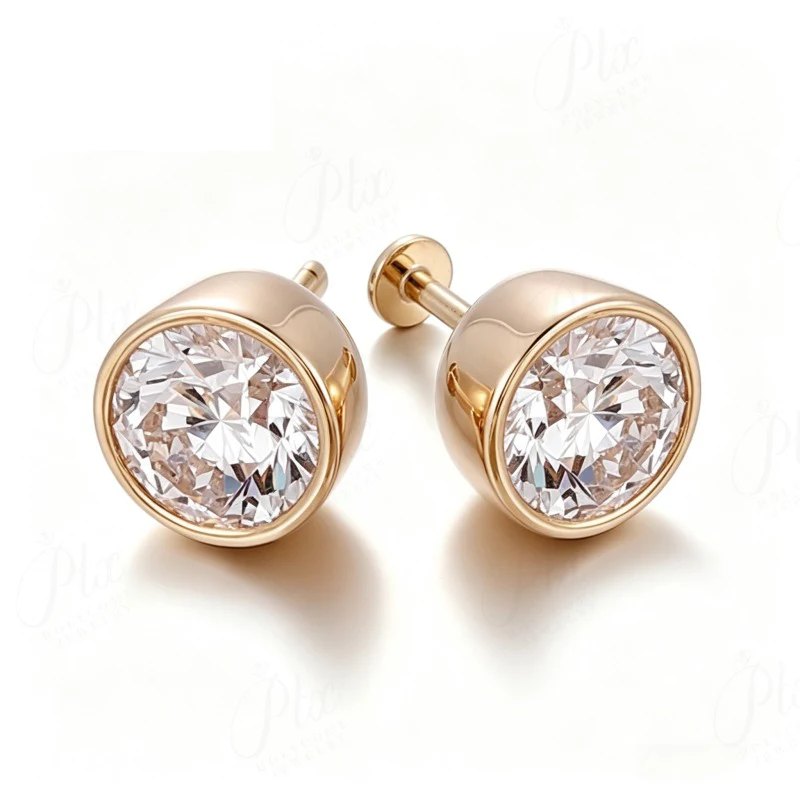
If a customer leans in and asks whether you sell the "real, natural" moissanite, the honest answer takes about ninety seconds and usually ends the conversation in your favor. Every moissanite stone set into commercial jewelry is laboratory-grown. Natural moissanite exists, but it has never existed in sizes or clarity a jeweler could facet and sell. The story behind that fact is more interesting than most shoppers expect, and it gives your staff a powerful, truthful answer when someone worries that a lab stone is somehow "fake."
The mineral was discovered in 1893 by the French chemist Henri Moissan, who was examining rock samples from the Canyon Diablo meteorite crater in Arizona. At first he thought the tiny crystals he found were diamond. Careful analysis showed they were silicon carbide - a compound of silicon and carbon that occurs in nature almost exclusively as microscopic inclusions inside meteorites and in a handful of ultra-rare rock formations. The mineral was named moissanite in his honor.
Why natural moissanite never became a gemstone
Moissan spent years trying to reproduce the crystals he'd found. Natural silicon carbide simply does not form large, clean, transparent crystals the way natural diamond, ruby, or sapphire do. The specimens collectors prize are microscopic, opaque, or included beyond any jewelry use. There is no mine that produces moissanite in faceting sizes, and there never has been. Asking for a natural moissanite engagement ring is a bit like asking for a natural cultured pearl: the phrase misunderstands how the material reaches the market.
Commercial gem moissanite became realistic only after manufacturers learned to grow single silicon carbide crystals reliably. The process seeds a crystal and grows it under controlled high-temperature vapor conditions, producing boules that are then sliced, faceted, and polished. The resulting stone is chemically, optically, and physically the identical mineral Moissan found in the meteorite. The only difference is where the crystal grew.
"Lab-grown" does not mean "fake"
This is the sentence that settles most customer doubts. Moissanite is not a glass imitation of a gem. It is a real, distinct mineral with its own hardness (around 9.25 on the Mohs scale), its own refractive index, and its own fire. It is not pretending to be diamond any more than a peridot is pretending to be an emerald. Compare it to the simulants shoppers actually confuse it with - CZ, white sapphire, cubic zirconia - in our guide on moissanite versus white sapphire and zircon, and the distinction becomes obvious.
What a retailer must never do is the reverse: sell moissanite as diamond. United States jewelry guidance requires accurate disclosure, and customers are entitled to know exactly what metal and stone they are buying. A clear disclosure on the paperwork protects you, your staff, and the customer. Moissanite sold honestly - as moissanite - has nothing to apologize for.
Why lab growth made moissanite affordable
Early synthetic moissanite was expensive to produce because growing a clean, colorless silicon carbide boule at scale took years of refinement. Modern production has driven those costs down dramatically, which is why a two-carat-equivalent stone can retail at a price point a natural diamond of the same visual size never could. Buyers sometimes assume that a lab-grown stone is a cheaper knockoff because it is cheap; in reality, the affordability comes from manufacturing maturity, not from cutting corners on the mineral itself. A well-grown moissanite of D-to-F color and VVS clarity is chemically identical regardless of its retail price tier - the differences are in cut precision, inclusions, and consistency, which is exactly why buying from a graded wholesale source matters.
One more point customers often ask: no, a lab-grown stone is not "less real" than one dug from the ground. Opals, rubies, sapphires, and diamonds are all sold in laboratory-grown forms at scale, and buyers routinely choose them for ethical, budget, and consistency reasons. Moissanite simply reached the jewelry market later. Treat it as what it is - a real mineral, grown by people - and the conversation takes care of itself.
How to tell the story at the counter
Keep it short. "The real moissanite mineral was first found inside a meteorite over a hundred years ago. Natural pieces are far too small to use in jewelry, so every jewelry stone is the exact same mineral, grown from seed in a controlled lab. You're getting the genuine article - just not mined." That framing lands because it flatters the customer's curiosity instead of correcting it.
For wholesale buyers, this history matters in merchandising. Stores that print a short version of the meteorite story on a hangtag or a product card consistently report higher attachment to the stone. Customers don't just buy a sparkly alternative. They buy a tiny piece of chemistry with a hundred-year lineage. It costs you nothing to tell, and it turns a price comparison into a story worth keeping.
Independent background on moissanite — how its hardness and refractive index compare with diamond — is documented in the Wikipedia article on moissanite.
Frequently Asked Questions
Is moissanite a good diamond alternative for retail buyers?
Yes for price-sensitive customers who want brilliance and hardness. Moissanite ranks 9.25 on the Mohs scale, holds up to daily wear and costs a fraction of a natural diamond of the same size, so it resells fast in bridal and fashion lines.
What is the minimum order for wholesale moissanite?
MOQ starts at 50 pieces per design for stock items. Custom cuts and private-label settings usually start at 100–300 pieces depending on the mold.
Do you provide certificates with moissanite stones?
Yes. Every parcel ships with GRA or IGI documentation listing carat weight, color grade and cut. We recommend passing the certificate to your end customer for trust.
How long does sample and bulk production take?
Samples ship in 3–5 days. Bulk runs take 15–20 days under 500 pieces, and 25–30 days for custom work.