The first order is a test, not a relationship
New buyers often treat the first wholesale order as the whole deal: they compare three price sheets, pick the lowest number, and commit a budget they cannot afford to lose. A more realistic frame is that the first order is a test of the supplier, and the real relationship starts on order number two. Evaluate the supplier on how they handle the small things — the delayed email, the mis-sized stone, the damaged carton — and you will know whether they are worth a year of repeat business.
The non-negotiable checklist
Before you send a deposit, confirm these in writing:
- Certification (FTC jewelry industry guides) on every stone. Each loose moissanite should ship with a GRA or IGI-style report and a matching girdle inscription. A supplier that cannot tell you which certificate accompanies a stone has not built a QC process.
- Sample order policy. A credible supplier will ship one or two pieces at a near-retail unit cost so you can inspect the cut, the setting and the finish before committing to 20. A supplier that refuses samples is asking you to do the quality control for them.
- MOQ that fits your cash flow. A 50-piece minimum on every SKU is fine for an established store; it is a trap for a new buyer. Pick a supplier whose minimums match your first-quarter budget, even if the per-stone rate is slightly higher.
- Lead time in writing. "Two to three weeks" should be confirmed in order, not left as a chat message. Custom pieces and out-of-stock sizes should carry a quoted lead time you can plan around.
- QC photos before shipment. The supplier should photograph each finished piece on request and send the image for your approval before the parcel leaves the factory. This single step prevents most size and finish disputes.
- Defect and returns window. A 7- to 14-day window for defective goods, with the supplier covering return shipping on their error, is the industry norm. Shorter windows are a warning.
The questions that separate factories from traders
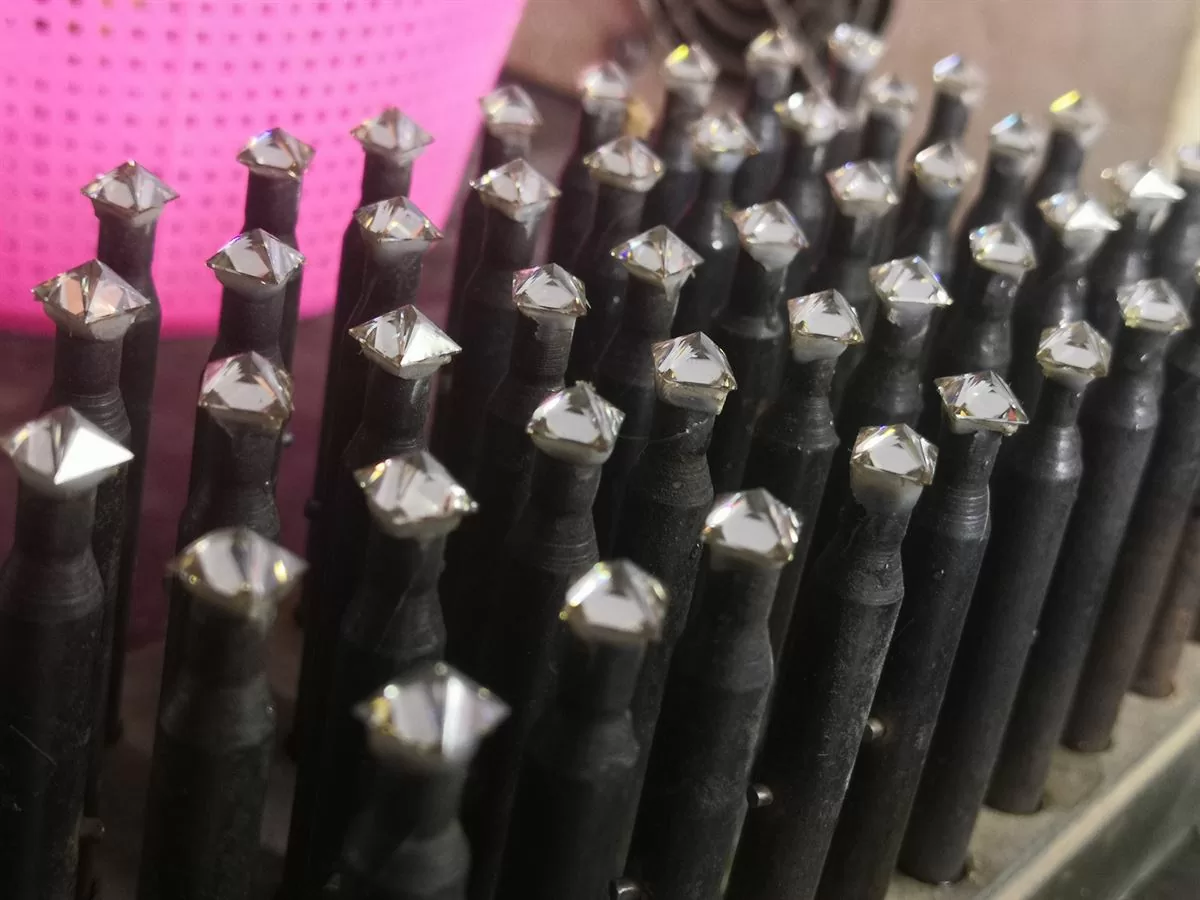
When you talk to a sales contact, ask how the stones are cut, who grades them, and whether the factory does its own settings or outsources them. A factory that grows, cuts and sets under one roof controls quality at every step. A trader who sources from five factories and resells under one brand has less leverage when something goes wrong. You do not need to visit; you need answers that sound like they come from someone who has walked the floor.
Communication is the quiet metric
The best supplier in the world is useless if they take five business days to reply to an email. Watch response time on your first three or four contacts. A supplier that answers in under a day, that flags a delay before you ask, and that sends a photo of the carton being sealed, is a supplier you can build a line on. The cheap supplier who ghosts after you pay the deposit will cost you more in lost sales than the price difference ever saved.
Payment terms that protect your cash flow
New wholesale buyers typically pay 100 percent up front on a first order, which is normal. After three to six months of repeat business, ask for net-15 or net-30 terms. A supplier that extends reasonable terms is signaling confidence in the relationship; a supplier that refuses any terms beyond wire up front may be protecting itself from chargebacks, which is a clue worth understanding before you grow the order size. Never pay a new supplier by untraceable methods, and never agree to a deposit that is more than 50 percent of the order on a first transaction. The rest is due on shipment, with tracking.
Track the supplier's payment behavior too. Do they send a proper commercial invoice? Do they itemize shipping and insurance separately? A supplier that bills cleanly is a supplier you can reconcile at the end of the quarter, which is worth real money when tax time comes.
Run two suppliers at once, at first
For the first six months, split your orders between two suppliers. It hedges against a sudden lead-time slip, and it gives you a benchmark when one raises prices. Over time, the supplier that performs earns the larger share.
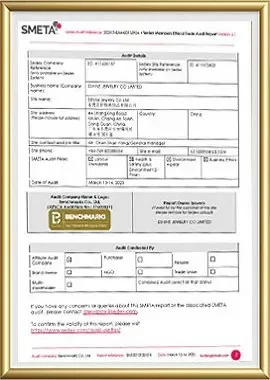
If you can, visit a trade show or request a factory tour on video call. Seeing the QC bench, the laser inscription station, and the packing line in person settles questions that emails never will. A factory that welcomes a video walkthrough is a factory with nothing to hide; one that refuses any look at the floor is asking you to buy blind. That single filter eliminates more bad suppliers than any price comparison ever will. See our ring collection for examples of the kind of finished line a dependable factory ships.
Gemstone grading terminology used here follows the Gemological Institute of America’s gem encyclopedia.
Frequently Asked Questions
Is moissanite a good diamond alternative for retail buyers?
Yes for price-sensitive customers who want brilliance and hardness. Moissanite ranks 9.25 on the Mohs scale, holds up to daily wear and costs a fraction of a natural diamond of the same size, so it resells fast in bridal and fashion lines.
What is the minimum order for wholesale moissanite?
MOQ starts at 50 pieces per design for stock items. Custom cuts and private-label settings usually start at 100–300 pieces depending on the mold.
Do you provide certificates with moissanite stones?
Yes. Every parcel ships with GRA or IGI documentation listing carat weight, color grade and cut. We recommend passing the certificate to your end customer for trust.
How long does sample and bulk production take?
Samples ship in 3–5 days. Bulk runs take 15–20 days under 500 pieces, and 25–30 days for custom work.