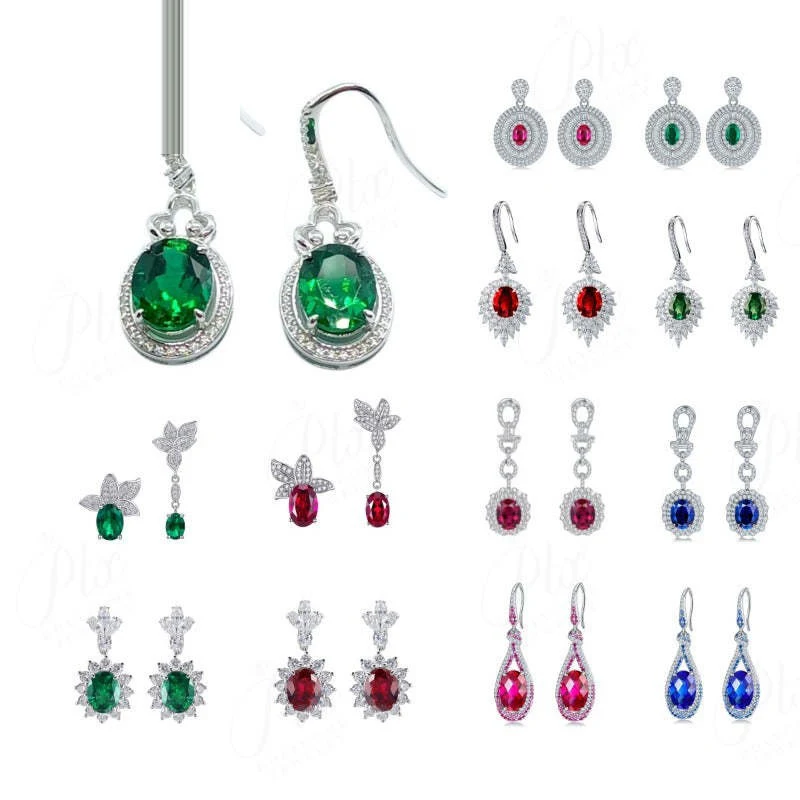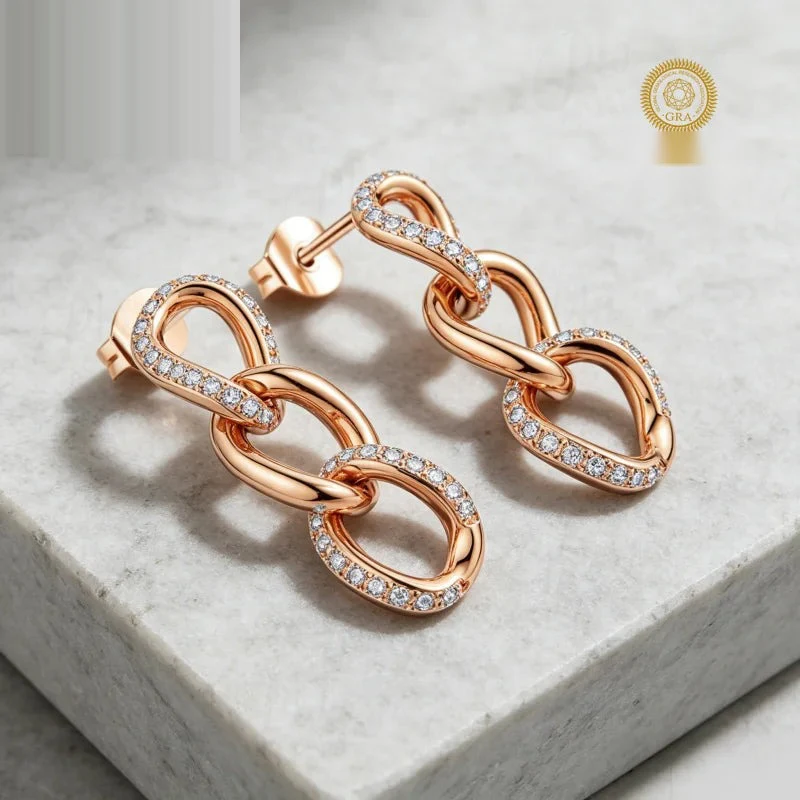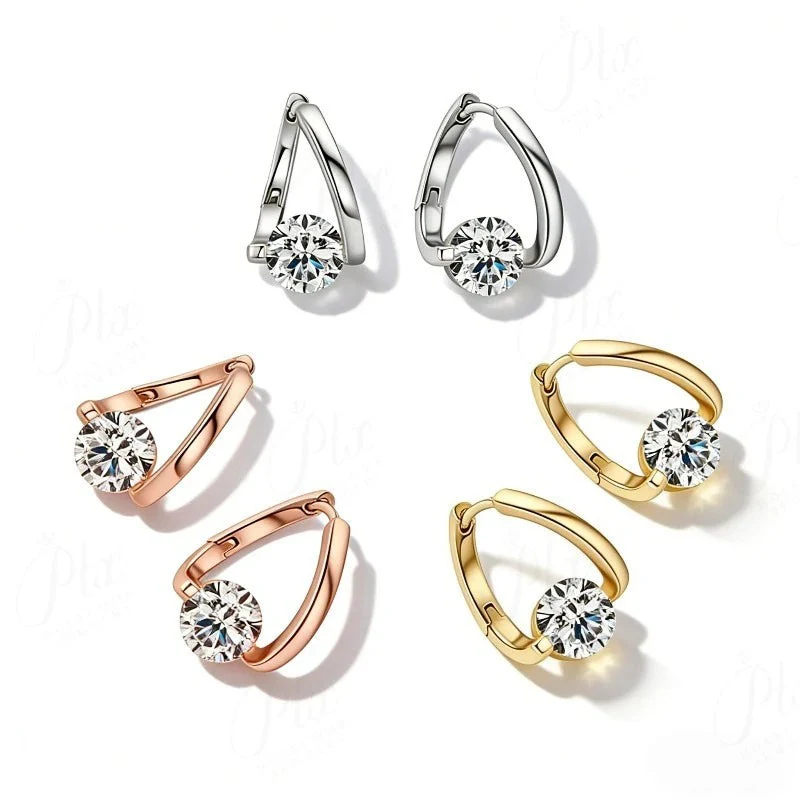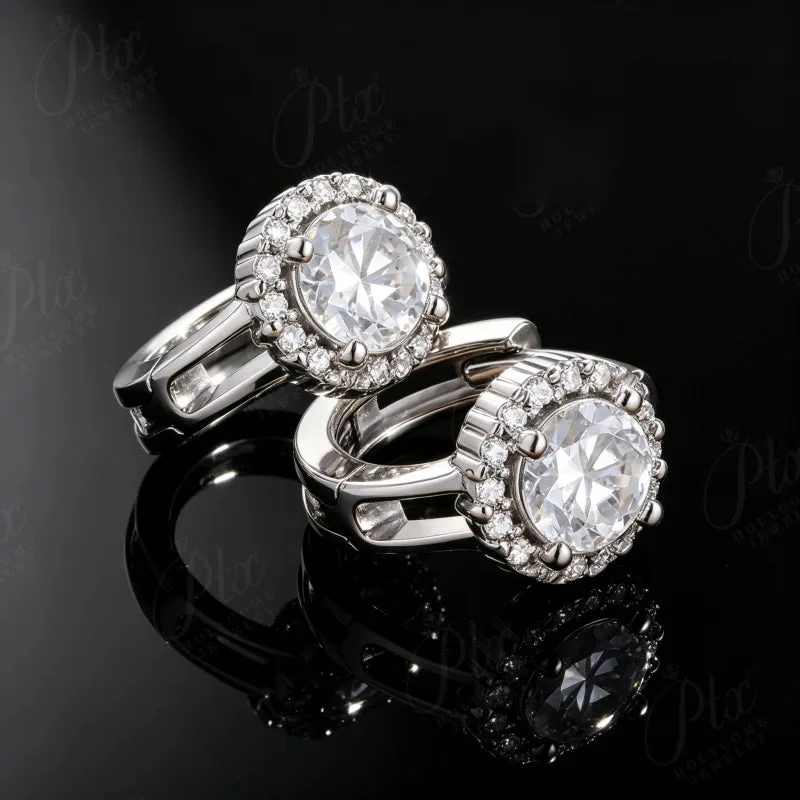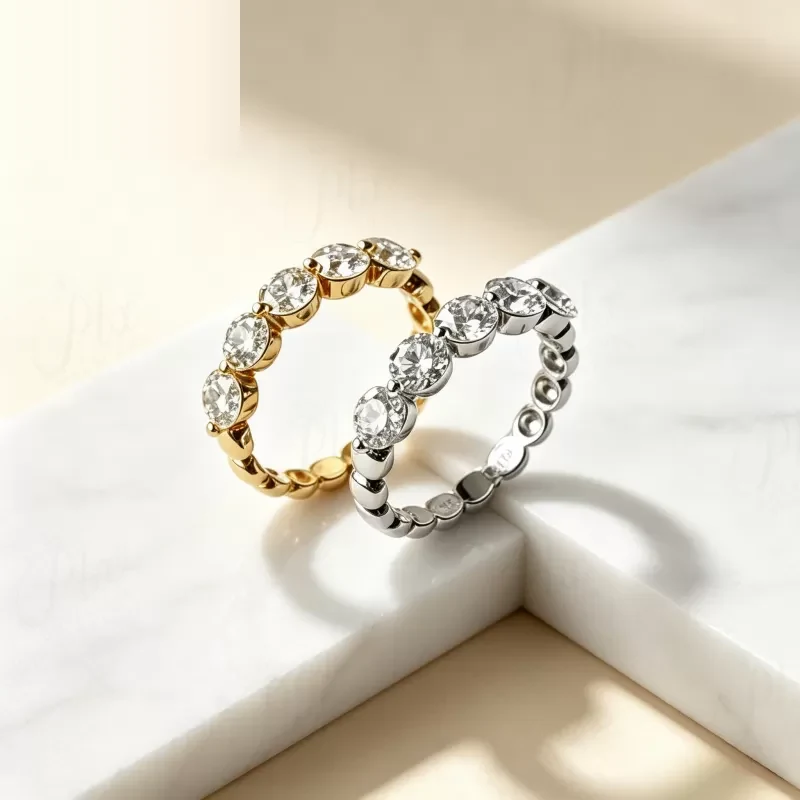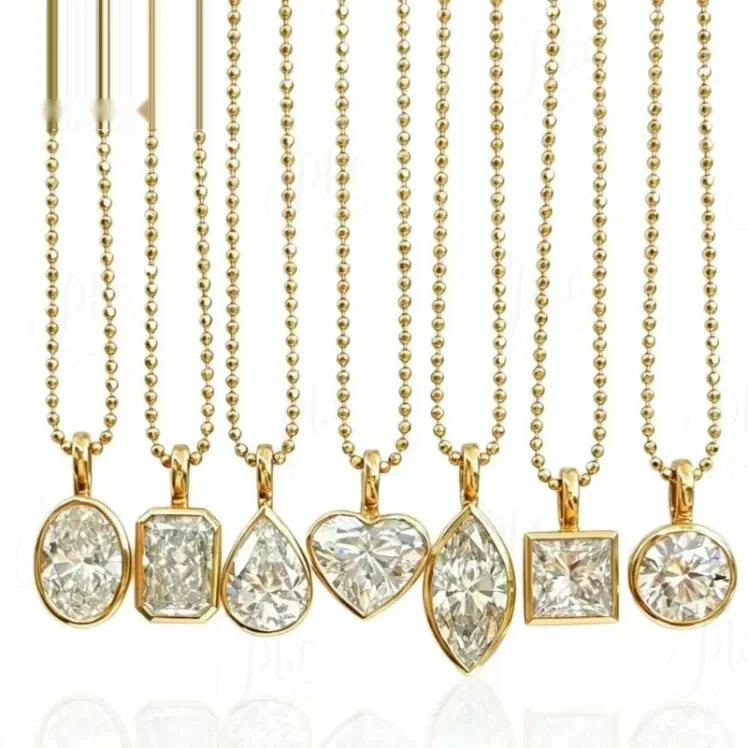
A reseller wanted a fully custom solitaire - her own shank profile, her own hidden halo, her own engraving - and asked us for a one-piece MOQ. That order does not exist the way she imagined it. Custom moissanite rings carry minimums that reflect setup, casting and stone-matching work, and understanding those tiers before you ask for quotes saves weeks of back-and-forth.
The three custom tiers and their minimums
Tier one is semi-custom: choose an existing setting shape and swap metal, stone size or engraving. MOQ here is low, often 10-30 pieces per design, because the mold already exists. Tier two is modified custom: a new shank or prong layout on a familiar platform. MOQ climbs to 50-100 pieces because the wax or CAD needs rework. Tier three is fully custom: a proprietary design from your CAD. MOQ often starts at 100-300 pieces and carries a tooling or mold fee. Read wholesale MOQ pricing tiers to see how the volume discount curve runs against these minimums.
The tooling fee nobody budgets for
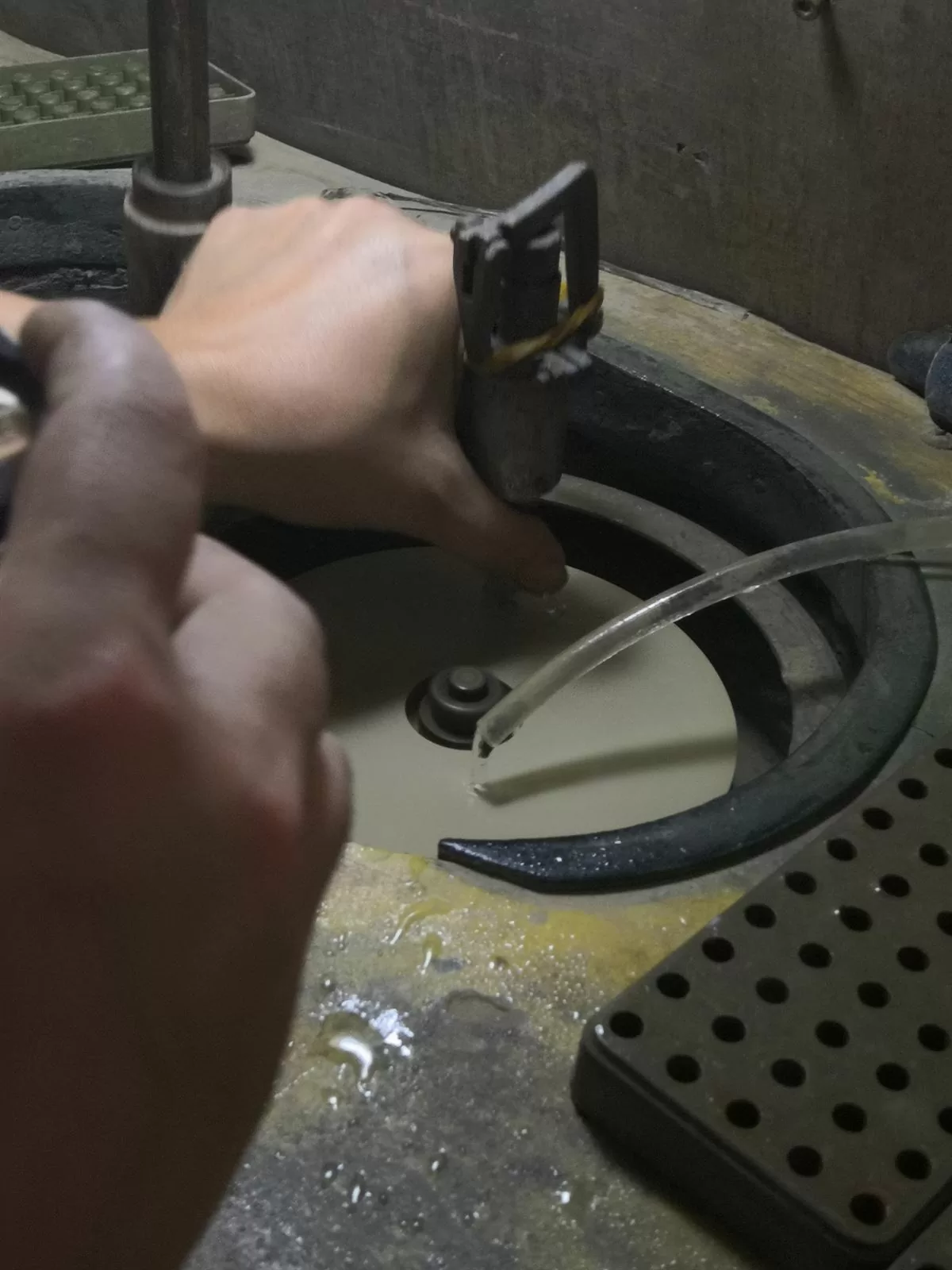
New designs cost money to set up: CAD modeling, wax printing, casting mold, first-piece fitting. That one-off fee is charged once and amortized over your run, which is exactly why tier-three MOQs are high - the factory wants enough units to spread it. If your forecast cannot cover 100 pieces, start at semi-custom and prove the design sells before funding a full custom mold. Ask the supplier whether the tooling fee is refundable at a reorder threshold; many factories wave it once you hit a second run.
Lead time and stone matching
Custom settings need matched stones. An oval 8x6mm in a hidden halo is not interchangeable with another 8x6mm - depth and table vary, and the setting is cut to the stone. That means the stone and setting should be sourced together, not bought separately and assembled later. Build in 35-50 days for a first custom run: CAD approval, sample, casting, stone setting, polish, inspection. We help resellers align best-selling ring sizes into the run so the MOQ is filled with sizes that sell, not dead stock.
Compliance on custom engraving and stamps
When you sell a finished custom ring, the setting must carry the right quality stamp and the gem must be named correctly. The FTC Jewelry Guides, 16 CFR Part 23 require accurate disclosure (FTC jewelry industry guides) of the gem and metal, and stamped pieces must match. Confirm with your supplier that finished rings are stamped per your market and that the moissanite is disclosed as moissanite, not as a generic "diamond alternative" that could mislead. Pair this with vetting a supplier beyond price - a cheap custom run with wrong stamps creates compliance headaches that cost more than the savings.
Smart resellers start at tier one, prove a design, then step up. They do not fund a proprietary mold on day one. The MOQ is not a barrier; it is a filter that keeps you from betting inventory on an unproven design.
Plan the approval loop before you quote a price to your customer. A custom run usually needs two approvals: a CAD render and a physical sample. Build those into your timeline and your quote, and tell your end customer the lead date up front. Skipping the sample approval is the mistake - a ring that looks right on screen can sit wrong on the finger, and you only catch that on the physical piece. Charge a small non-refundable CAD fee if your market allows, so buyers who vanish after rendering do not leave you holding the tooling cost.
Negotiate the reorder tier up front. If your first run proves the design, the second run should drop the per-piece cost because the mold already exists. Get that break-even number in writing with your first quote, so a successful launch translates into better margins on the follow-up rather than starting the price negotiation again. Suppliers who already wave the tooling fee at a reorder threshold are the ones building long-term partners, not one-off customers.
What is the minimum order for a custom moissanite ring?
Semi-custom starts around 10-30 pieces; fully proprietary designs usually start at 100-300 plus a one-off tooling fee.
Is the tooling fee refundable?
Often, if you place a second run. Ask in writing before you commit, and get the threshold number in the quote.
How long does a custom run take?
Plan 35-50 days for a first run including CAD approval and a sample. Repeat runs are faster once the mold exists.
Can I buy the setting and stones separately?
For semi-custom, sometimes. For custom halo and pavé designs, source stone and setting together so the stone fits the cut seat.
HOLYCOME runs semi-custom and modified custom moissanite rings with transparent MOQ tiers, matched stones and stamped, compliant finished pieces. Request a sample and your tier quote before committing to a run.
Frequently Asked Questions
Is moissanite a good diamond alternative for retail buyers?
Yes for price-sensitive customers who want brilliance and hardness. Moissanite ranks 9.25 on the Mohs scale, holds up to daily wear and costs a fraction of a natural diamond of the same size, so it resells fast in bridal and fashion lines.
What is the minimum order for wholesale moissanite?
MOQ starts at 50 pieces per design for stock items. Custom cuts and private-label settings usually start at 100–300 pieces depending on the mold.
Do you provide certificates with moissanite stones?
Yes. Every parcel ships with GRA or IGI documentation listing carat weight, color grade and cut. We recommend passing the certificate to your end customer for trust.
How long does sample and bulk production take?
Samples ship in 3–5 days. Bulk runs take 15–20 days under 500 pieces, and 25–30 days for custom work.