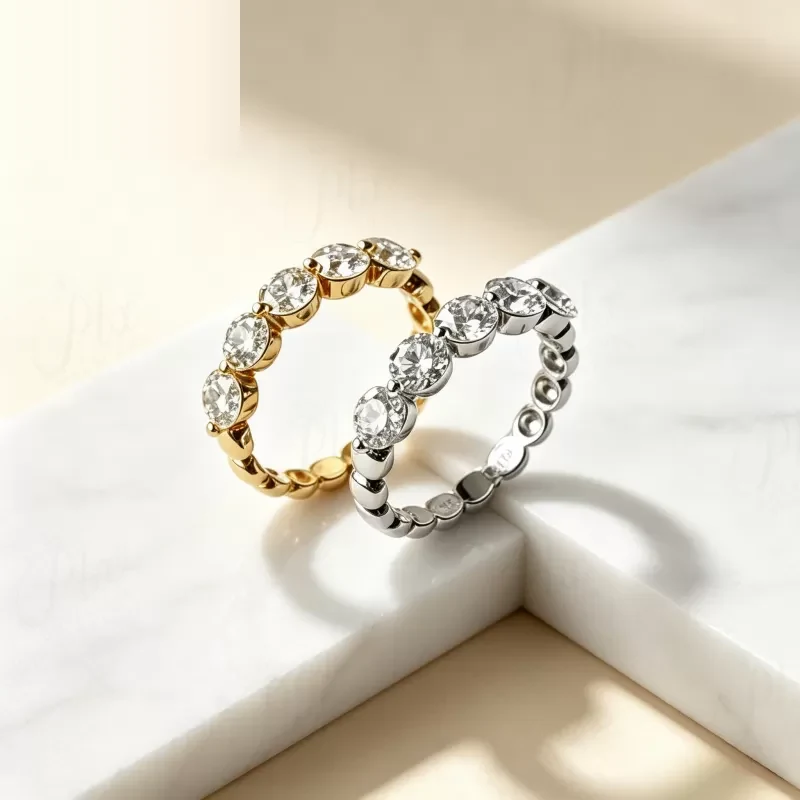
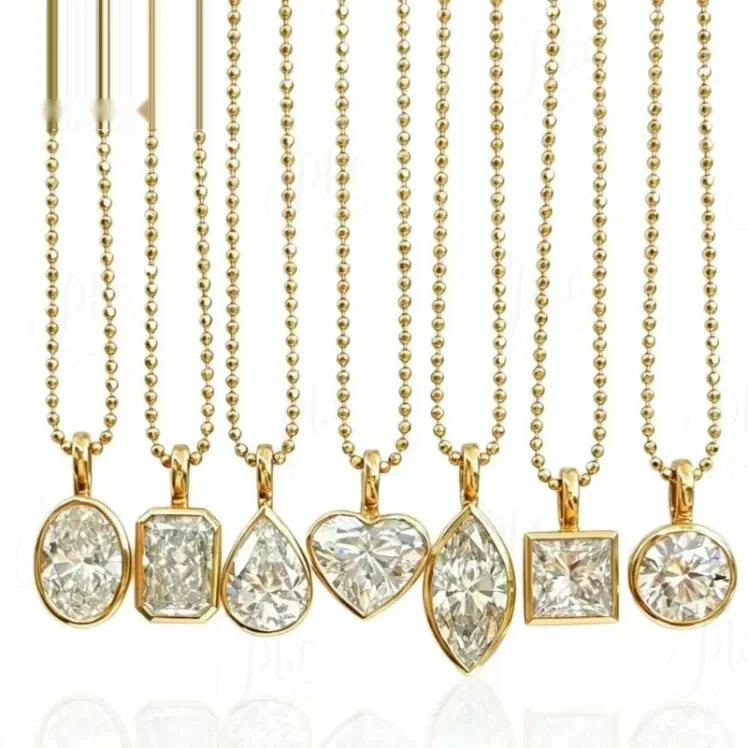
A reseller once shipped a parcel of graded 6.5mm solitaire stones in a regular padded envelope with no declared value, and it vanished in transit. The contents were small enough to hide in a pocket, which is exactly the risk. Moissanite parcels are low-bulk, high-value, and that combination is what makes insurance and packaging non-negotiable.
Why small parcels attract risk
A handful of near-colorless graded stones fits in a single jewelry pouch. To a thief sorting mail, a small flat envelope with no declared value looks like nothing - and that is the danger. Insurers treat jewelry shipments as high-risk precisely because loss is invisible until the customer opens it. The moissanite on Wikipedia entry on the gem notes its industrial and jewelry uses, but the shipping risk is purely about density: high value per gram. Your logistics should treat a moissanite parcel like cash, not like fashion accessories.
Declared value, not just insurance
Standard parcel cover is usually capped low (often around $100) unless you declare value and pay the premium. For wholesale parcels worth thousands, declared-value shipping is the line that actually pays out. Declare the realistic commercial value, keep the commercial invoice matching it, and ship via a service that supports jewelry-specific cover. Under-declaring to save on postage is the single most common mistake - it also voids the claim. We cover the packaging side in insured packaging for moissanite shipping; insurance is the layer on top.
Signature, tracking and proof of hand-off
Always require a signature on delivery. Drop a high-value parcel at the door and the claim becomes a "you said you received it" dispute. Use end-to-end tracked service with scan points at hand-off, hub, and delivery. Photograph the sealed parcel and the contents before dispatch, and keep the commercial invoice with the shipment. These three pieces (tracked scans, signature, photo of sealed parcel) are what an insurer asks for first when a claim opens.
Insuring finished pieces vs loose stones
Loose graded stones and finished rings carry different risk profiles. Finished rings in branded boxes look like retail and get handled more casually; loose stone parcels are easier to misroute. Insure each shipment by its actual content value, and split large orders into two tracked parcels rather than one super-high-value box - if one goes missing, the loss is capped. When you choose a supplier, ask how they ship: a supplier who already packs in tamper-evident pouches and declares value removes a whole layer of your own risk. And because shipped value ties to what the stones are worth, skim resale expectations so you declare a realistic figure, not an inflated one.
The cost of proper insurance is a fraction of one missing parcel. The stores that skip it usually pay for it once, loudly, and never skip it again.
Carrier choice matters as much as the policy. Generic parcel services cap jewelry cover low even when you pay for shipping, so use a service with a declared-value jewelry tier and track the parcel through to signature. Compare the premium against your average parcel value, not against nothing; the cost is usually one to two percent of declared value, which is cheap next to a lost shipment. Keep a single spreadsheet column for declared value, invoice number and tracking ID per order, so a claim never turns into a paperwork scramble weeks later.
Labeling matters too. Mark the outer package as "fine jewelry" only where your carrier supports it, and never write the contents value on the outside. A plain, unmarked parcel that looks like ordinary mail is harder to target than a box stamped "jewelry, $X value." Use plain outer packaging, require signature, and keep the commercial invoice inside a sealed inner pouch so it travels with the stones.
Finally, reconcile every insured parcel against the invoice once a month. Confirm the tracking closed as delivered-signed and that no claim is open. Catching a quiet delivery dispute early keeps it from aging into an unrecoverable loss. Ten minutes a month protects a year of shipments.
How much shipping cover do I need?
Insure the full commercial invoice value. Standard parcel caps are too low for jewelry; buy declared-value cover on top.
Should I split a big order into two parcels?
Yes. Two tracked, insured parcels cap your loss if one vanishes, and neither looks like a single high-value box.
Does regular shipping insurance cover jewelry?
Usually only up to a low default. You need declared-value or jewelry-specific cover; check the policy before dispatch.
What proof keeps a claim alive?
Commercial invoice matching declared value, end-to-end tracking scans, signature on delivery, and a photo of the sealed parcel.
HOLYCOME ships wholesale moissanite in tamper-evident, declared-value parcels with tracked signature service, and provides the commercial invoice your insurer expects. Ask for our shipping terms with your sample order so your cover is set from day one.
Frequently Asked Questions
Is moissanite a good diamond alternative for retail buyers?
Yes for price-sensitive customers who want brilliance and hardness. Moissanite ranks 9.25 on the Mohs scale, holds up to daily wear and costs a fraction of a natural diamond of the same size, so it resells fast in bridal and fashion lines.
What is the minimum order for wholesale moissanite?
MOQ starts at 50 pieces per design for stock items. Custom cuts and private-label settings usually start at 100–300 pieces depending on the mold.
Do you provide certificates with moissanite stones?
Yes. Every parcel ships with GRA or IGI documentation listing carat weight, color grade and cut. We recommend passing the certificate to your end customer for trust.
How long does sample and bulk production take?
Samples ship in 3–5 days. Bulk runs take 15–20 days under 500 pieces, and 25–30 days for custom work.