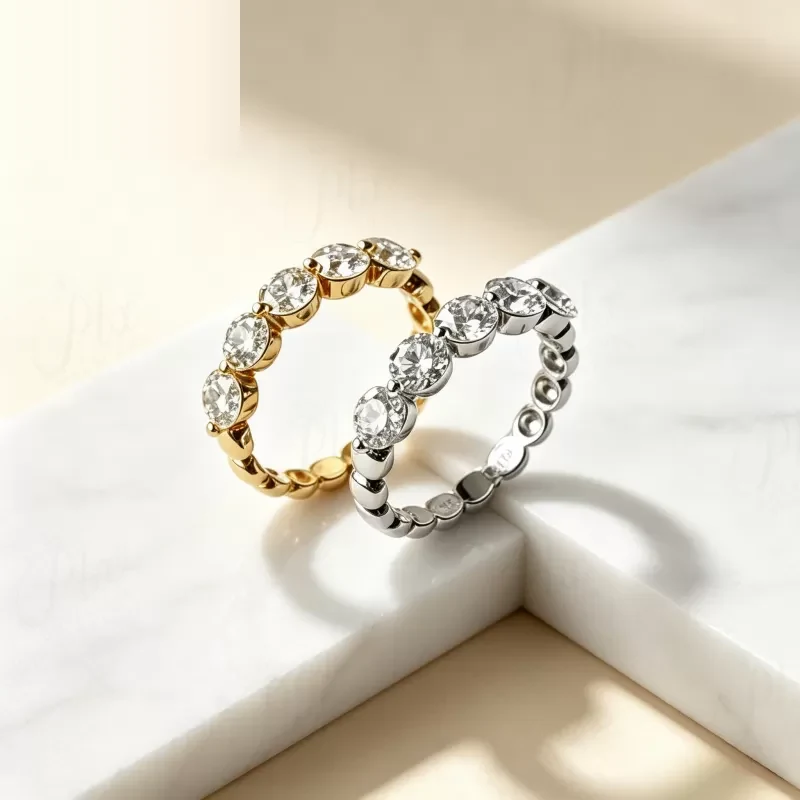
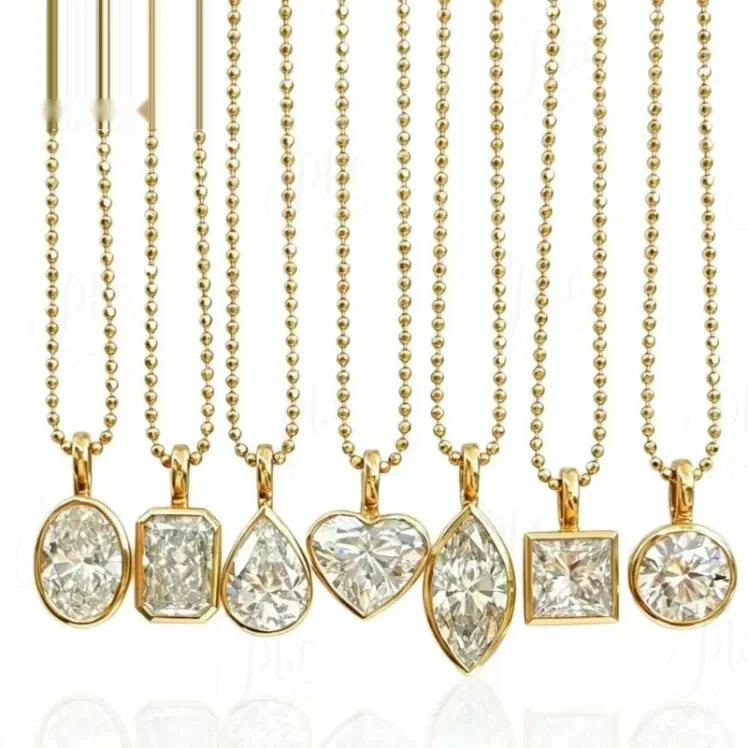
A $4,000 parcel of loose moissanite studs arrived at a reseller last year with one ear post bent flat and the box inside crushed. The shipper had used a standard mailer with bubble wrap and no outer void fill. The claim took six weeks and paid out 40% because the packaging did not meet the carrier's jewelry guidelines. The stone itself was fine - moissanite's hardness means the gem survives; the setting and post do not. Here is the packaging and insurance structure that avoids that outcome.
Packaging: three layers, not one
Build the parcel from the inside out. Layer one: each piece in its own sealed poly bag or insert pad, posts capped so they do not punch through. Layer two: a rigid jewelry box or compartmentalized tray, seated so nothing shifts. Layer three: a corrugated outer carton with at least 3cm of void fill on every side, so a dropped corner crushes filler and not product. Loose stones go in sealed foam-stone boxes, never loose in an envelope. The hardness that protects the stone is explained in moissanite durability and chipping; the metal it is set in is what needs the cushioning.
Insurance and declared value
Carrier jewelry insurance has two rules that bite. First, the declared value must match the commercial invoice; under-declaring to save premium voids coverage. Second, many carriers require signature-on-delivery above a threshold, commonly around $300-500 depending on route. Ship commercial lots by tracked, insured, signature-required service - the $40 saved on untracked mail is not worth a $4,000 dispute. On labeling, describe contents as "jewelry samples" on the outside rather than listing stones and values; the FTC Jewelry Guides, 16 CFR Part 23 govern how you describe the goods on the documents that travel with the parcel.
Paperwork that makes claims pay out
Three documents travel in every bulk shipment: a commercial invoice with HS code and accurate declared value, a packing list matching the parcel, and photos of the packed and sealed carton before handover. If a claim is ever filed, those photos are what turns "it arrived damaged" into "here is the condition at handover." We send all three with every wholesale order, and we discuss the supplier-side reliability that makes this smooth in comparing moissanite suppliers beyond price and what a good sample order looks like.
Choosing the right service level by value
Match the courier to the parcel value, not the other way around. Small reorders under $300 can move by tracked standard post as long as they are insured and rigid; mid lots from $300 to $2,000 need signature-on-delivery; any parcel over $2,000 should go by a specialized insured jewelry courier or a high-value signed service. The extra $30-50 on a high-value parcel is not a cost, it is the difference between a claim that pays and one that does not. Split a $5,000 order into two insured $2,500 parcels rather than one $5,000 box; if one goes missing, you lose half, not all, and each parcel stays under the carrier's highest premium tier.
International shipments add a customs layer. Use the correct HS code for silver or gold jewelry and declare the commercial value honestly - under-declaring to dodge duty is the single fastest way to get a parcel seized and void your insurance. Keep the buyer's import paperwork ready so the parcel clears without a phone tag. We cover the supplier-side reliability that makes this smooth in comparing moissanite suppliers beyond price, and every parcel leaves our floor with the three documents already assembled.
Train your own receiving team the same way. Open every carton against the packing list within 24 hours of delivery, photograph any damage immediately, and report transit issues while the parcel is fresh. A damage claim filed within 48 hours moves through the carrier far faster than one filed two weeks later. Keep a camera near the receiving table so the habit is automatic. Over a year, that simple routine turns a handful of "lost in transit" panics into a few documented claims that the insurer pays out cleanly. The packaging rules are not paperwork theater - they are the difference between a shipment you can recover from and one you absorb as a total loss.
Does moissanite break in shipping?
The stone rarely does; the prongs, posts and settings bend or scratch. Package the setting, not just the stone.
How much insurance should I buy?
Insure at cost value (your wholesale cost), declared exactly on the invoice. Under-declaring is the most common reason claims are denied.
Can I ship loose stones in a padded envelope?
No. Loose stones need a sealed foam stone box inside a rigid box inside a void-filled carton. Envelopes get crushed.
Does customs flag jewelry parcels?
Accurate commercial invoices with correct HS codes and declared value clear smoothly. Under-valuation and vague descriptions are what get parcels held.
HOLYCOME ships every wholesale order in signature-required, insured packaging with packing lists and condition photos included. Order a sample parcel to inspect our packaging before you scale to bulk shipments.
Frequently Asked Questions
Is moissanite a good diamond alternative for retail buyers?
Yes for price-sensitive customers who want brilliance and hardness. Moissanite ranks 9.25 on the Mohs scale, holds up to daily wear and costs a fraction of a natural diamond of the same size, so it resells fast in bridal and fashion lines.
What is the minimum order for wholesale moissanite?
MOQ starts at 50 pieces per design for stock items. Custom cuts and private-label settings usually start at 100–300 pieces depending on the mold.
Do you provide certificates with moissanite stones?
Yes. Every parcel ships with GRA or IGI documentation listing carat weight, color grade and cut. We recommend passing the certificate to your end customer for trust.
How long does sample and bulk production take?
Samples ship in 3–5 days. Bulk runs take 15–20 days under 500 pieces, and 25–30 days for custom work.