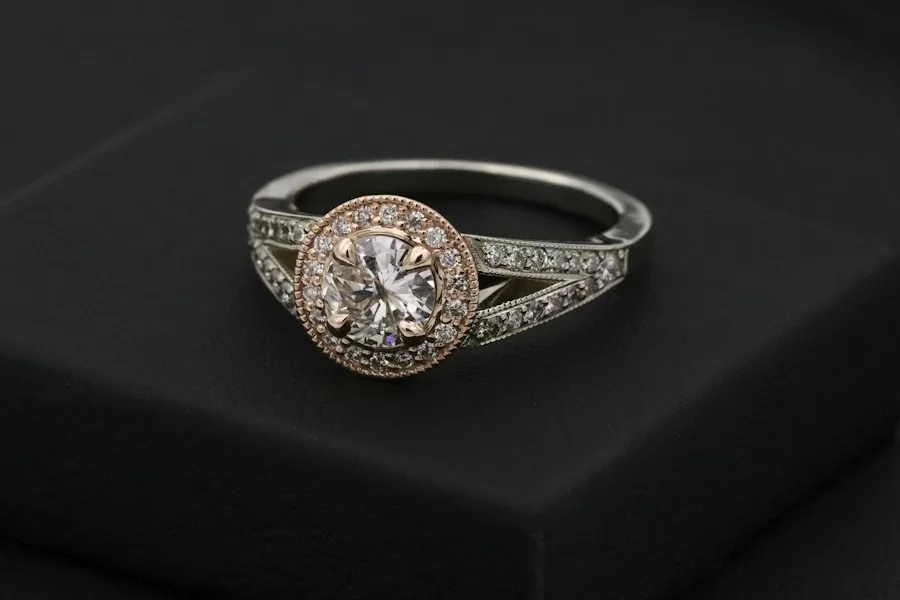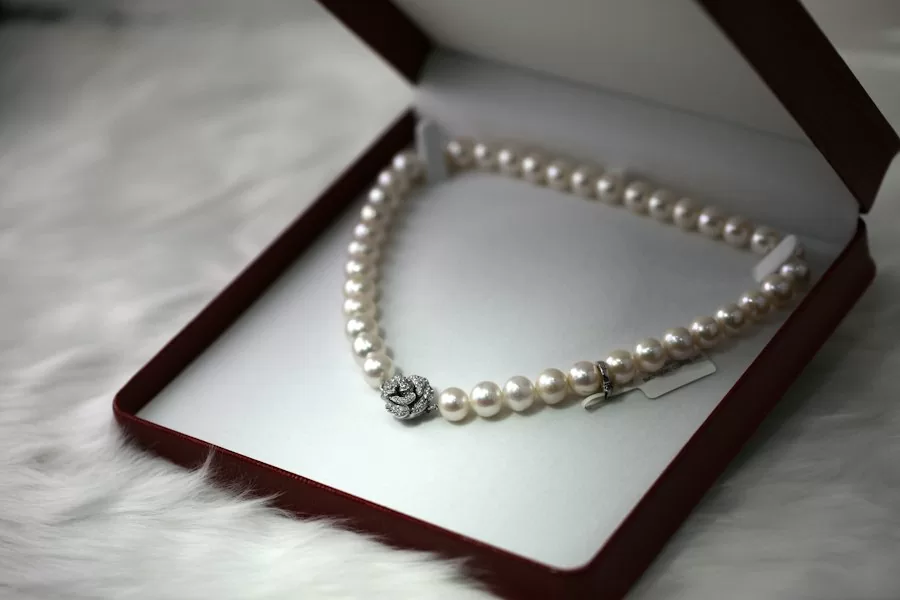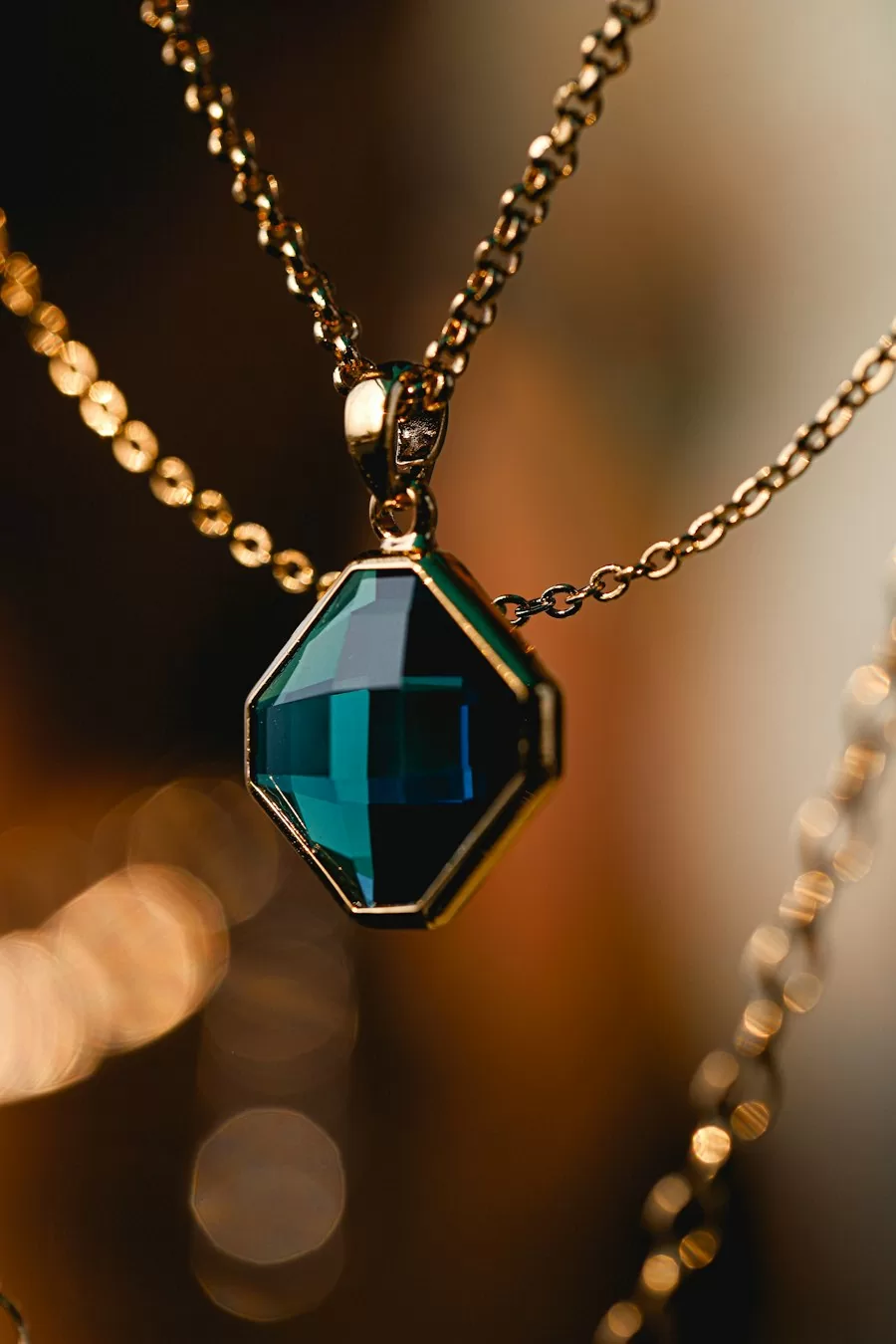
A single loose moissanite only has to look good on its own. A pair has to look like twins. That single difference makes earrings one of the more demanding categories to source, because the customer's eye immediately catches even a tiny mismatch in size, color, or sparkle. For wholesale buyers, understanding how calibrated moissanite pairs are graded and matched is the difference between a stud SKU that reorders effortlessly and one that generates returns about one earring looking brighter than the other.
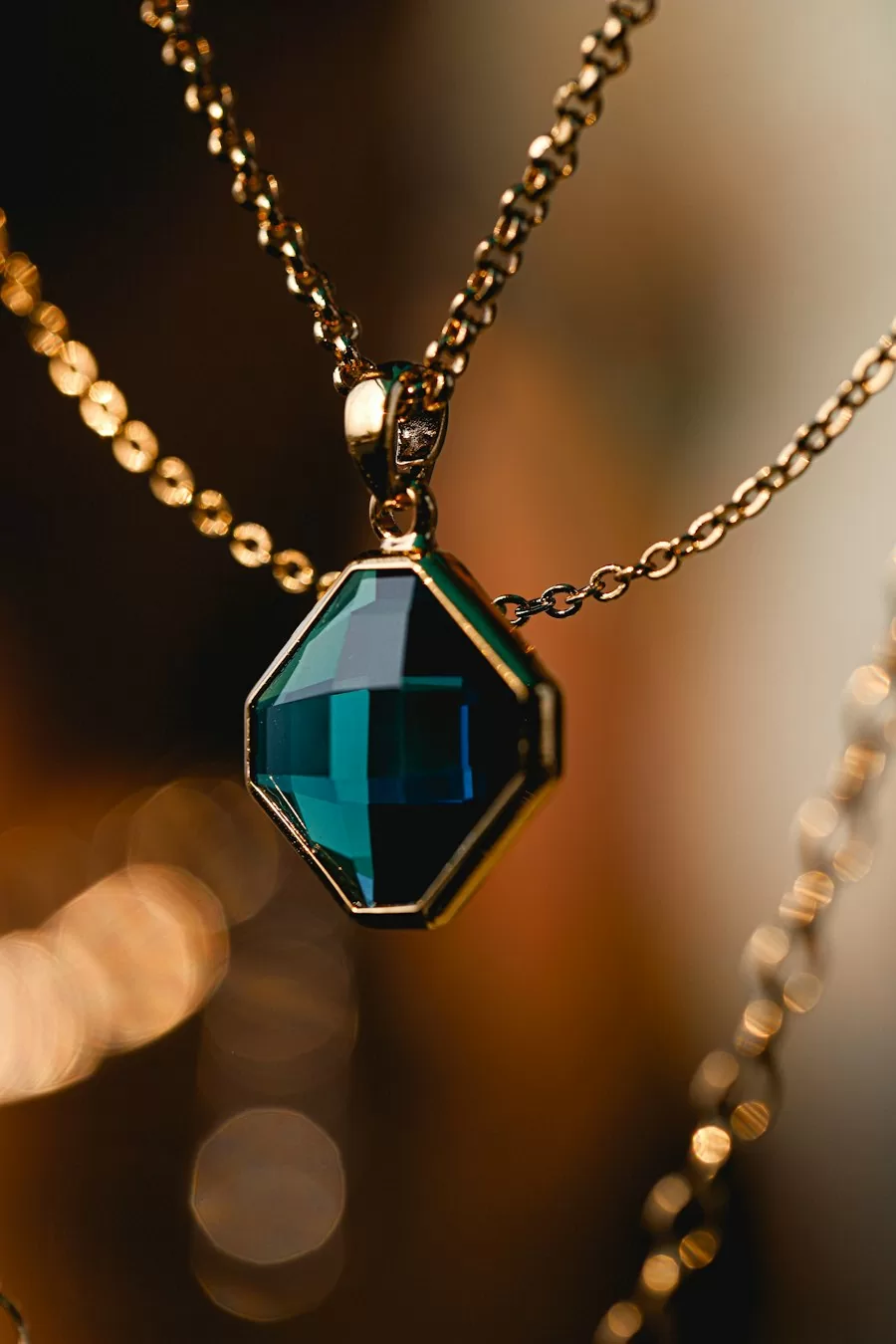
Calibrated is the operative word. A calibrated stone is cut to a specific millimeter size with tight tolerances, rather than sold by weight alone. In earrings, calibration matters doubly because both stones must seat in identical settings. If one stone is half a millimeter off, one earring sits deeper or shallower, and the mismatch becomes obvious as soon as the customer holds the pair up. When you source moissanite stud earrings, confirm that the stones are described by both millimeter size and carat-equivalent weight. A round 6.5 millimeter stone is the common reference point, and both earrings should measure within a fraction of that.
Color matching is the subtle trap. Moissanite is graded into colorless and near-colorless ranges, and a reputable factory sorts stones into batches so that earrings are cut from the same parcel. Two stones graded the same on paper can still show a slight tone difference if they came from different batches. When you approve samples, view both stones side by side on a white background under daylight-balanced light. Tilt them. Check whether one carries a faint gray or green cast the other lacks. The human eye is extremely good at spotting this asymmetry, and customers will notice it before they notice anything else.
Cut and symmetry should match too. Moissanite's strong dispersion means a stone cut slightly deeper or shallower throws fire at a different rate. In a well-matched pair, both earrings sparkle in unison as the customer turns their head. In a mismatched pair, one earring flashes brightly while the other stays quieter, and the customer's attention locks onto exactly that. Inspect the facet alignment under magnification; paired stones should show identical culet alignment and table proportions. This is the kind of detail that separates a premium moissanite earring program from a commodity lot.
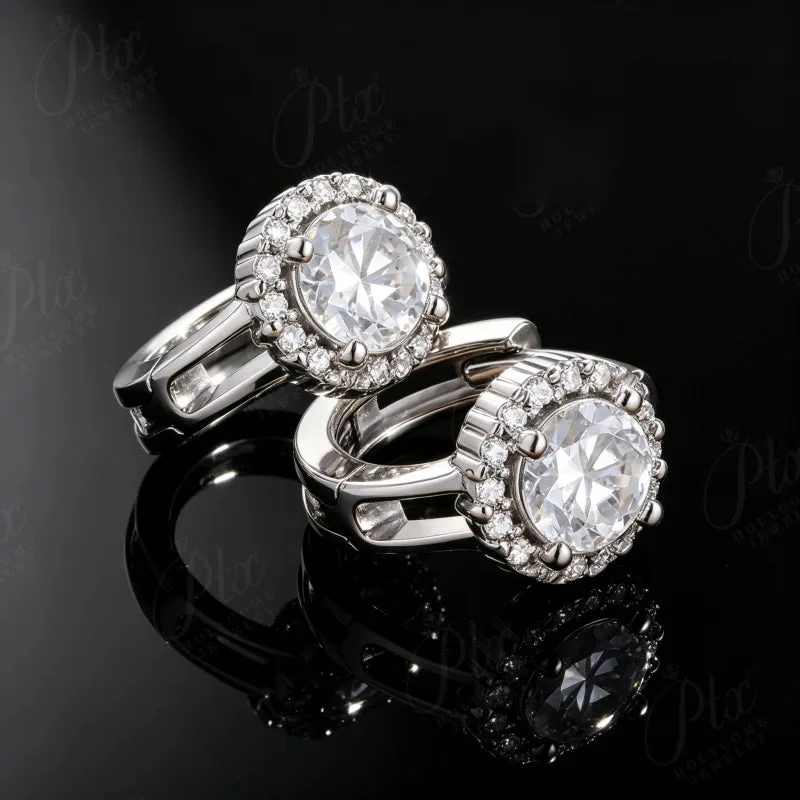
Backing and setting quality deserves equal scrutiny. A great pair of stones set into flimsy posts becomes a mediocre product. Check that the posts are thick enough not to bend, that the butterfly backs grip firmly, and that the setting cradles the stone without covering the table. For studs, four-prong settings maximize the visible stone area and let light enter from all sides, which is where moissanite's brilliance shows best. Three-prong or bezel options offer a more modern, protective look but reduce the visible face-up size. Choose based on the customer segment you serve.
Sizing ladders drive how the assortment performs. Offer studs at a few key steps, commonly 4mm, 5mm, 6.5mm, and 8mm, rather than a scattered range of random sizes. That gives customers a clear price and size progression and lets you anchor on the most popular 6.5 to 7mm everyday size. The smaller steps move as gift and second-pair purchases; the larger sizes serve statement and bridal moments. Knowing which shapes and sizes your market prefers helps you weight each step correctly.
Marketing matched pairs well sets buyer expectations. On product pages, state explicitly that the earrings are sold as a matched pair cut to equal size and color grade. That reassurance preempts the most common anxiety: that the two earrings will not look identical. Include a note about the post gauge and backing type so buyers know the comfort and security level. The more specific you are about the matching process, the more premium the product feels.
After-sales protection for earrings is a touchpoint many retailers overlook. Because earrings are worn constantly, the posts and backs take daily stress. Offer to check the butterfly backs, tighten settings, and clean the pair whenever the customer comes in. Moissanite's 9.25 hardness means the stones themselves will not dull, but hair products, lotion, and skin oils build up on the back of the setting and mute the sparkle. A free ultrasonic or steam clean restores that brightness and is one of the easiest service visits to offer. For the full routine, our professional cleaning guide covers what is safe and what to avoid.
Finally, buy pairs in matched inventory quantities that reorder cleanly. A pair-based SKU cannot be restocked one earring at a time, so when you place a repeat order, confirm the factory can reproduce the same color and cut profile you approved. Asking for the original batch reference avoids the classic problem where a reorder arrives looking subtly different from what your customers already know. Consistent matching across reorders is what turns a stud style into a lasting best seller.
The principle behind matched pairs is simple: earrings are judged as a set, not as two individuals. Source for calibration, color consistency, and setting strength, and you build an earring category that earns its place next to your bridal and gift ranges.
For third-party reference, the Wikipedia article on moissanite details moissanite’s discovery, optical properties and use in jewellery.
Frequently Asked Questions
Is moissanite a good diamond alternative for retail buyers?
Yes for price-sensitive customers who want brilliance and hardness. Moissanite ranks 9.25 on the Mohs scale, holds up to daily wear and costs a fraction of a natural diamond of the same size, so it resells fast in bridal and fashion lines.
What is the minimum order for wholesale moissanite?
MOQ starts at 50 pieces per design for stock items. Custom cuts and private-label settings usually start at 100–300 pieces depending on the mold.
Do you provide certificates with moissanite stones?
Yes. Every parcel ships with GRA or IGI documentation listing carat weight, color grade and cut. We recommend passing the certificate to your end customer for trust.
How long does sample and bulk production take?
Samples ship in 3–5 days. Bulk runs take 15–20 days under 500 pieces, and 25–30 days for custom work.