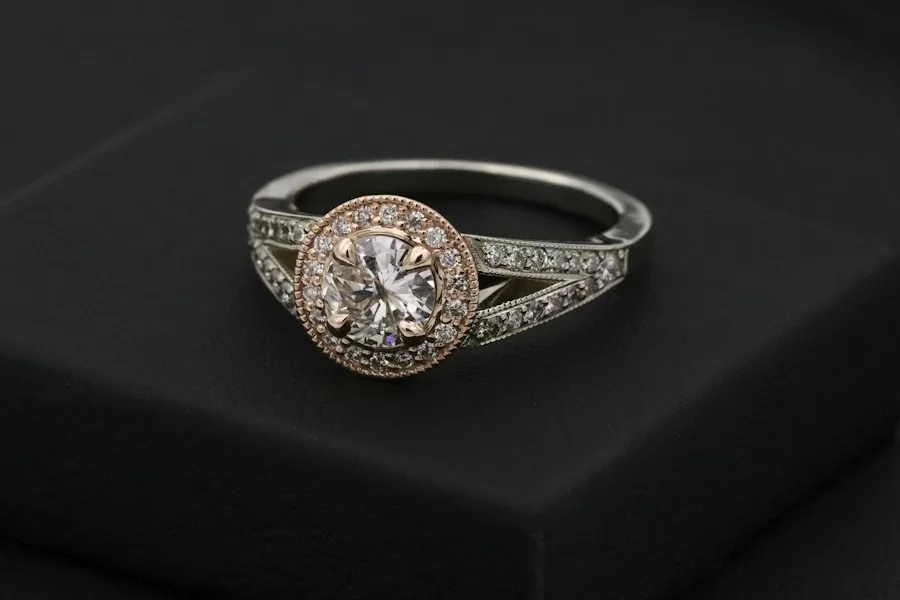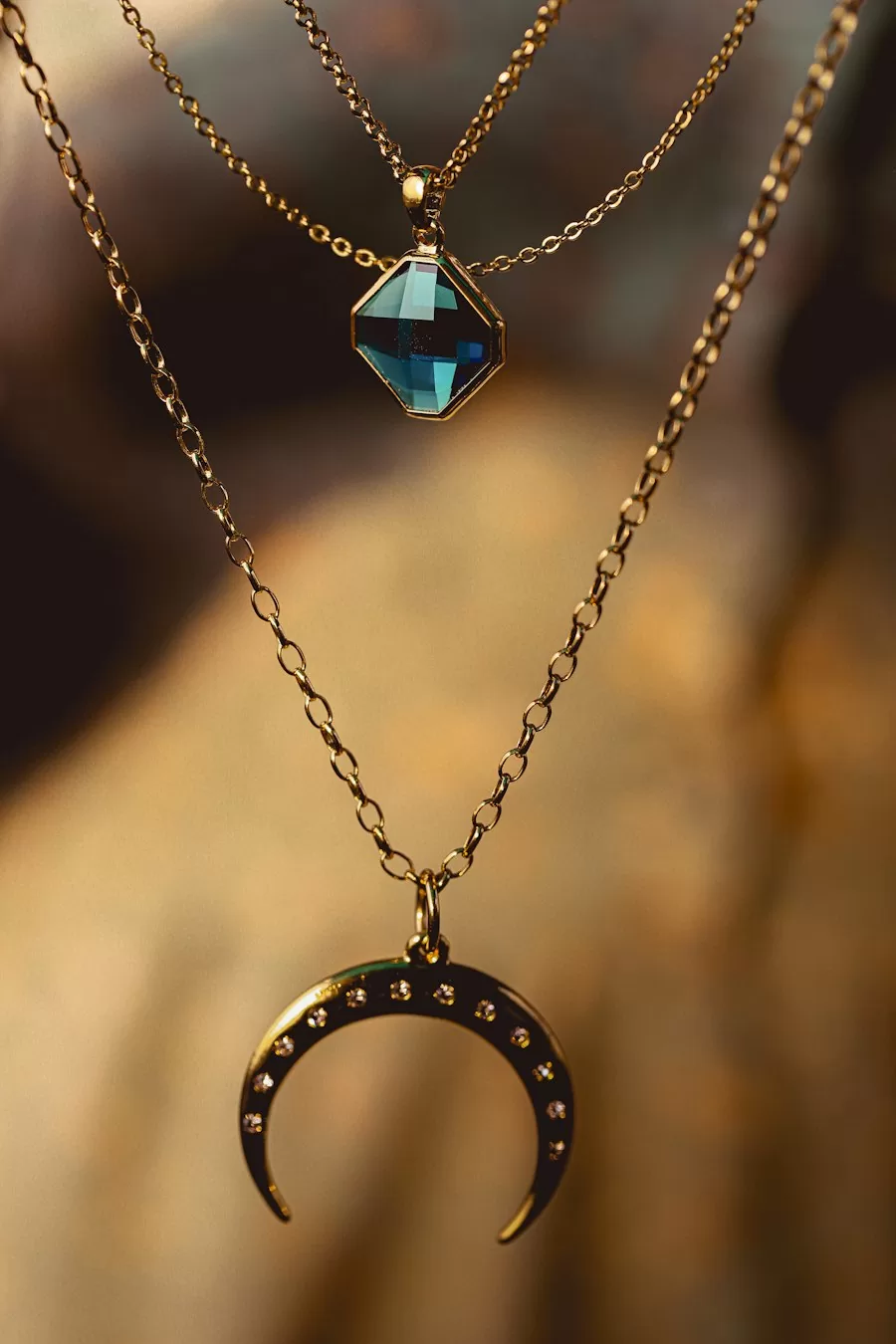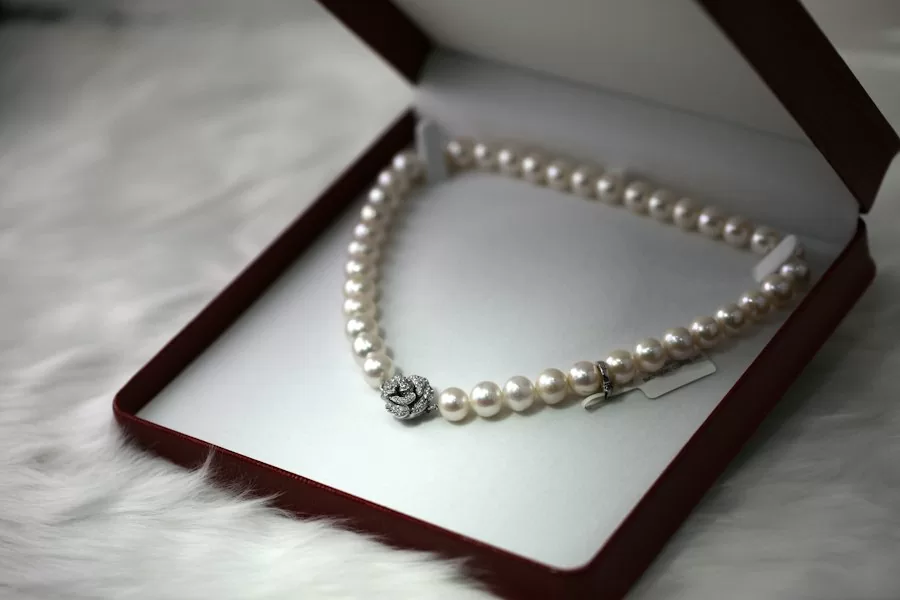
Engagement rings are the headline category, but they are a one-time purchase per customer. Anniversary and eternity bands are where the repeat business lives. A buyer who said yes in 2026 will be shopping again in 2028, 2031, and 2036, often for a band to stack next to the original ring. Retailers who stock a focused eternity and anniversary range capture that cycle. Retailers who do not, send those customers to someone else.
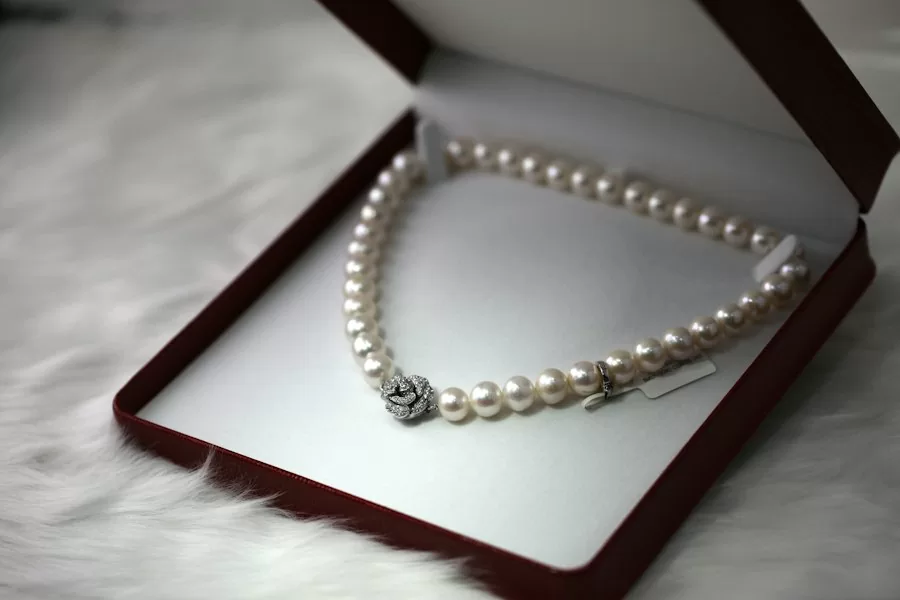
Full versus half eternity
A full eternity band carries stones all the way around the shank. It is the most romantic option, the best-looking on the hand, and the hardest to size. Once the ring is made, resizing a full eternity usually means cutting the shank and restringing stones, which adds cost and risk. A half eternity carries stones across the top half only, leaving the bottom plain metal. It resizes cleanly and costs less to stock.
For retail inventory, lean half eternity for everyday wear and first-time buyers. Keep a small selection of full eternity bands in popular sizes, and be clear with customers that full eternity sizing is limited. That manages expectation before the ring is sold, not after.
Setting styles that sell
Three settings dominate the market:
- Channel set. Stones sit between two metal rails. Smooth, no prongs to catch hair or gloves, easy to clean. Best for women who work with their hands or who want a band that stacks flush against an engagement ring.
- Prong set. Individual beads or prongs hold each stone. More visible sparkle per stone, but prongs can catch and wear. Best for statement bands worn alone.
- Bar set. Short vertical bars separate stones. A middle ground between channel and prong, popular in men's anniversary bands.
Channel set is the workhorse. It is durable, photographs cleanly, and stacks flush against most solitaire engagement rings. Stock it first.
Stone sizes and shapes
Round stones are the default, and for good reason: they match most existing engagement rings and cut cleanly into narrow shanks. Oval and cushion stones work on wider bands and have a more modern look. For width planning, a 2.0mm to 2.5mm stone on a 2.5mm shank reads delicate; a 3.0mm stone on a 4mm shank reads bold. Keep both ends in stock, because buyers will mix widths depending on the engagement ring they already own.
Total carat spread matters more than any single stone. A band with twenty 2.0mm stones has a very different visual weight than one with ten 3.0mm stones, even if the total weight is similar. Merchandise bands by width and total face-up look, not by carat weight alone.
Metal choices
Match the engagement ring's metal or sell a deliberate mixed-metal look. 18k yellow gold is the steady seller for classic anniversary bands. 18k white gold with rhodium plating is popular for modern bridal. Platinum PT950 is the premium option, especially for full eternity bands that will see decades of wear. Our guide to PT950 platinum and our piece on why platinum is chosen for wedding bands cover the metal side. For buyers stacking with an existing moissanite ring, coordinate the cut and color grade so the stones match face-up; our wedding set matching guide walks through that process.
How to merchandise anniversary bands
Show them on the same pad as engagement rings, not in a separate drawer. A buyer trying on a solitaire should see the band stacked next to it in the same visit. Train staff to mention the five-year anniversary upgrade naturally, not as an upsell. A simple line, "Many of our customers add a band here in a few years; we keep this style in stock," plants the seed without pressure.
Pricing and margin on anniversary bands
Anniversary bands carry a favorable margin structure compared with solitaire engagement rings. The stone cost is spread across many small stones rather than concentrated in one center, and the labor for channel setting is repeatable. That gives you room to price aggressively for repeat customers without gutting margin. A common retail approach is to price half-eternity channel bands as an impulse add-on at the solitaire counter, and price full-eternity bands as a deliberate purchase with a higher ticket. Because the customer already trusts your store from the original engagement ring, the discount pressure is lower than with a cold sale.
Stock a narrow core rather than a wide catalog. Three widths, two metals, and one stone size in channel setting covers eighty percent of demand. Add two statement pieces in prong setting for the customer who wants more sparkle. A focused range turns faster than a sprawling one, and your bench spends less time resizing odd pieces.
Eternity bands are not a sideline. They are the second and third sale from every bridal customer you close. Stock a focused range, price it for repeat purchase, and your average customer lifetime value goes up on its own.
The Wikipedia article on rhodium explains why rhodium plating is applied to white gold and silver jewellery.
Frequently Asked Questions
Is moissanite a good diamond alternative for retail buyers?
Yes for price-sensitive customers who want brilliance and hardness. Moissanite ranks 9.25 on the Mohs scale, holds up to daily wear and costs a fraction of a natural diamond of the same size, so it resells fast in bridal and fashion lines.
What is the minimum order for wholesale moissanite?
MOQ starts at 50 pieces per design for stock items. Custom cuts and private-label settings usually start at 100–300 pieces depending on the mold.
Do you provide certificates with moissanite stones?
Yes. Every parcel ships with GRA or IGI documentation listing carat weight, color grade and cut. We recommend passing the certificate to your end customer for trust.
How long does sample and bulk production take?
Samples ship in 3–5 days. Bulk runs take 15–20 days under 500 pieces, and 25–30 days for custom work.