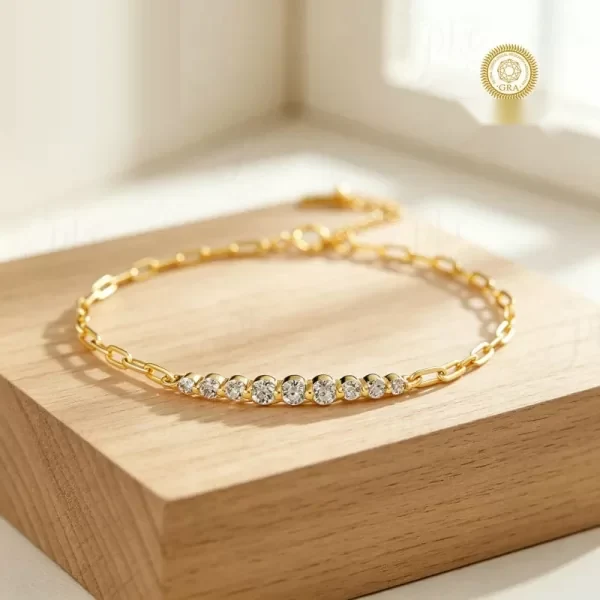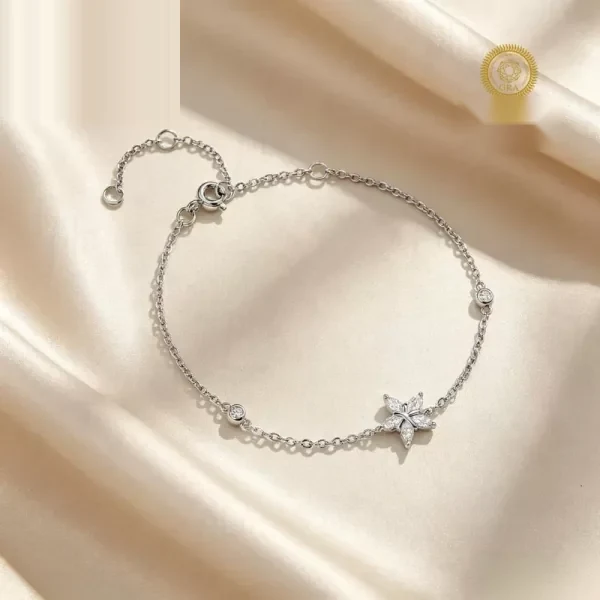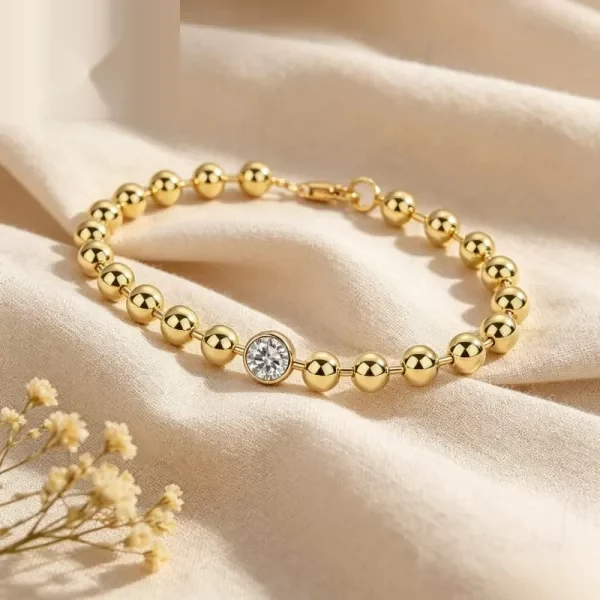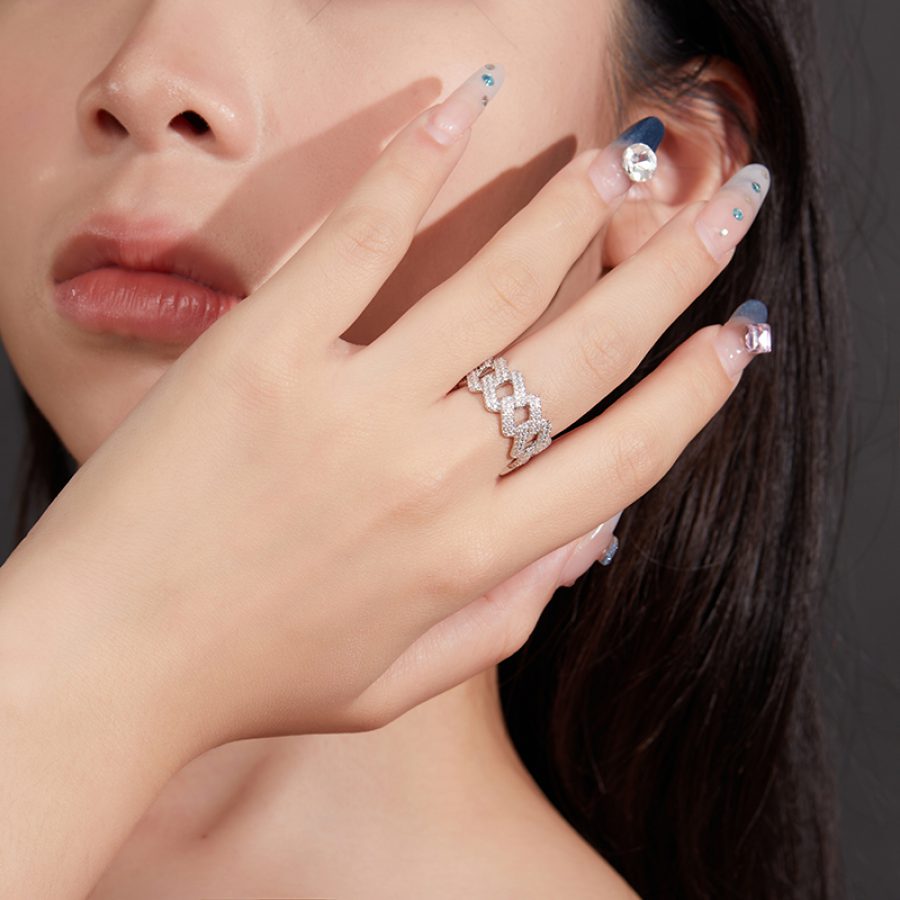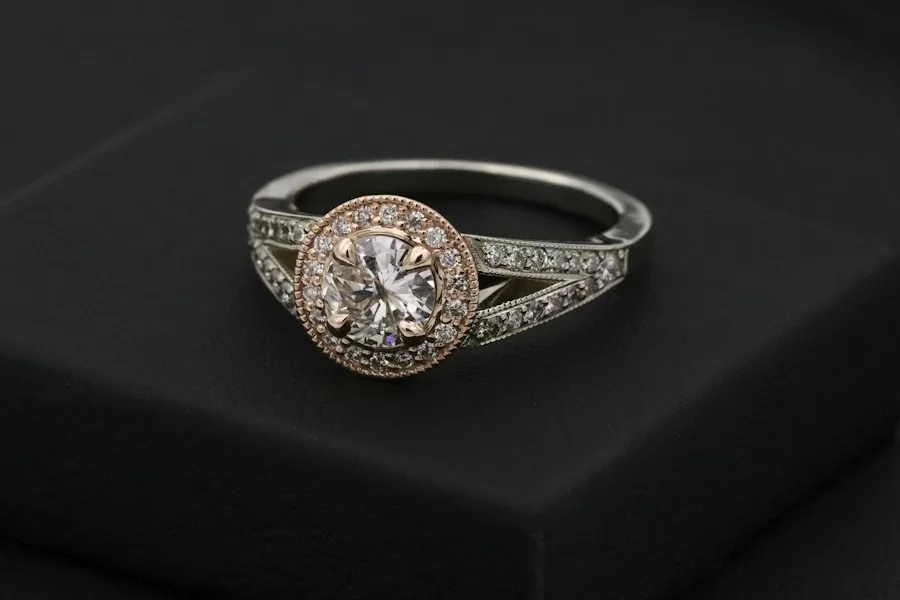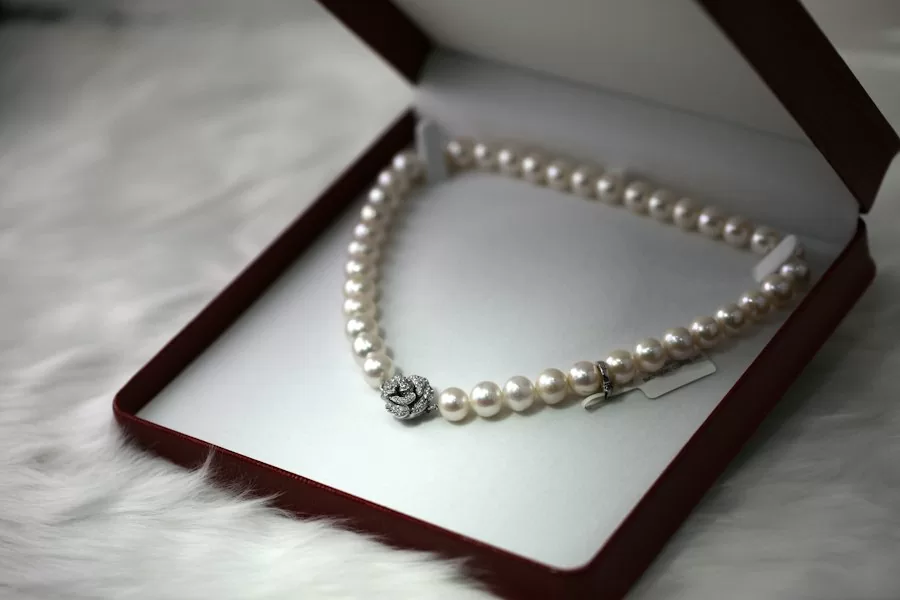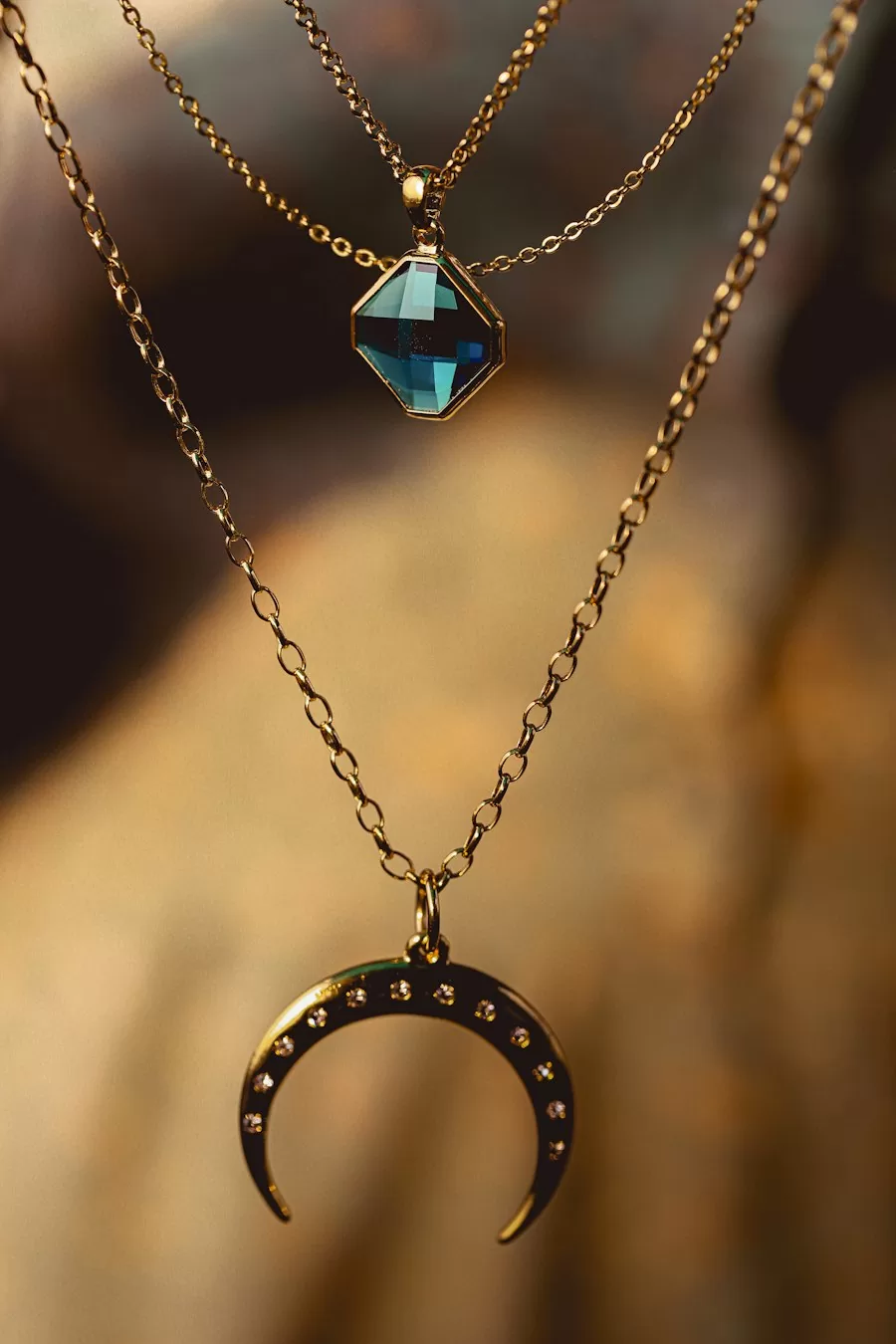
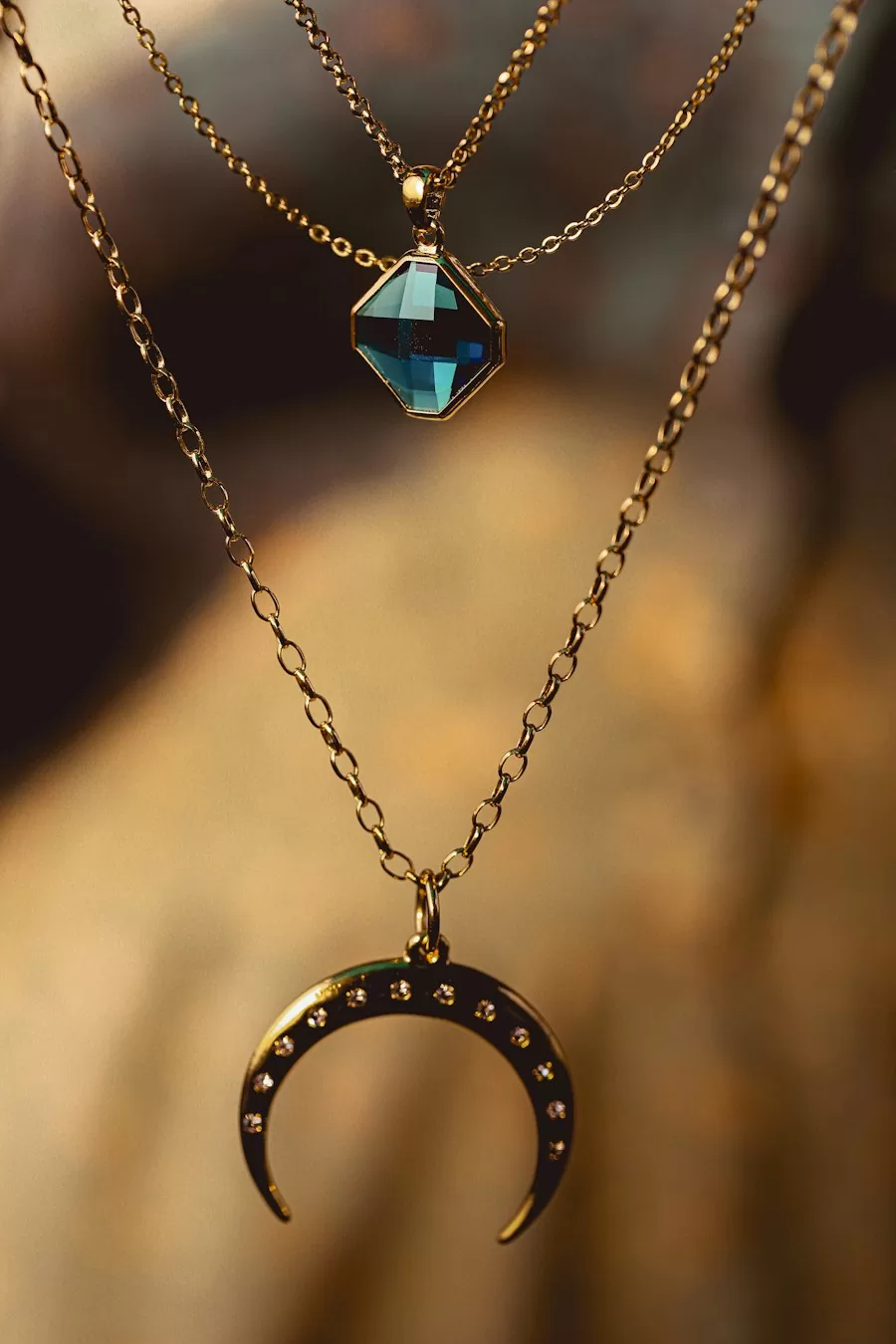
Few pieces carry the emotional weight of a tennis bracelet at a price point that lets a broad audience buy one. For wholesale buyers, the moissanite tennis bracelet is quietly one of the most dependable SKUs in the jewelry category. It reads as luxury, it photographs beautifully, and the per-carat cost of moissanite means the retail price lands in a giftable range that diamond bracelets cannot touch. The trick is buying the right widths, carat totals, and metal finishes so the bracelet sells on the first display rather than sitting as slow-moving dead stock.
Start by understanding how the category sizes itself. A moissanite tennis bracelet is described by both its total carat weight and its stone size. Entry and everyday pieces often run 2 to 4 carats total, with each stone around 2 to 2.5 millimeters. Mid-tier gift pieces land at 5 to 7 carats total, and statement pieces reach 10 carats and above. For a first wholesale order, the 4 to 6 carat band is usually the safest volume seller: it looks substantial on the wrist, photographs with visible fire, and retracts at a price impulse buyers will justify.
Width and setting style matter as much as carat count. Prong-set and channel-set bracelets are the two dominant constructions. Prong-set shows more of each stone and maximizes brilliance, which is exactly why moissanite's strong fire reads so well in a line. Channel-set runs sleeker and sits flatter against the wrist, which some customers prefer for work and active lifestyles. Both have a place in a balanced assortment; stocking one of each construction in your best-selling metal covers the two main customer preferences without doubling your inventory burden.
Clasp quality is where cheap bracelets fail and premium ones retain customers. Inspect the box clasp with a side safety latch on every sample you approve. A tennis bracelet slides on and off the wrist constantly, and a weak clasp is the number-one cause of returns, lost stones, and warranty claims. When you evaluate a sample, work the clasp open and closed repeatedly and check that the safety lock engages with a firm, deliberate feel rather than a limp click. The clasp is the part customers feel with their thumb, and it sets their perception of quality for the whole piece.
Metal choice drives both margin and audience. Yellow and rose gold finishes skew warm and gift-oriented, while white metal reads bridal and modern. Moissanite's bright, colorless fire pairs especially well with white settings, which is why white-metal tennis bracelets are often the fastest mover for younger buyers. If you are building a core best-sellers list, weight the first order toward white metal and add warm tones once you know your local clientele.
Sizing deserves more attention than most buyers give it. Wrist size varies, and a bracelet that fits a sample model will be too tight or too loose for many customers. Stock the most common 6.5 to 7 inch length as your default, and consider ordering a small number of adjustable or extension-chain versions for customers between sizes. Communicate the length clearly on the product page and at the counter, because a bracelet that arrives too small is the most common sizing complaint in this category.
Pricing and margin work in your favor here. Because moissanite's wholesale cost per carat is far below diamond, you can offer a bracelet that looks like a several-thousand-dollar piece at a retail price that competes with mid-range fashion jewelry. That gap is your margin and your marketing story. Position the bracelet as an everyday luxury that a customer can wear without the anxiety of wearing a diamond piece, and you open the market far beyond special-occasion buyers.
Photography is where this SKU wins or loses online. Moissanite tennis bracelets are a product that needs motion and light. Capture the bracelet on a wrist, not flat on a table, and shoot in soft directional light that brings out the continuous line of fire across the stones. For more on this, our guide to photographing moissanite for ecommerce covers the lighting setup that makes these bands sell. A flat, dim product shot undersells the very sparkle that justifies the purchase.
Build the assortment as a tiered ladder rather than one or two pieces. Offer an entry everyday band, a mid gift piece, and a statement version. That lets a sales associate meet the customer where their budget is, and it naturally encourages trading up. A customer who came in for a 3-carat everyday band will often move to the 6-carat gift piece once they feel the clasp and see the sparkle in person.
Done well, the moissanite tennis bracelet becomes a repeat-reorder SKU. It travels well in gift packaging, it resists scratching at Mohs 9.25, and it earns word-of-mouth because customers love showing a piece that looks far more expensive than it cost. For a wholesale buyer, that combination of demand, margin, and low return rate is rare enough to build a display around.
For third-party reference, the Wikipedia article on moissanite details moissanite’s discovery, optical properties and use in jewellery.
Frequently Asked Questions
Is moissanite a good diamond alternative for retail buyers?
Yes for price-sensitive customers who want brilliance and hardness. Moissanite ranks 9.25 on the Mohs scale, holds up to daily wear and costs a fraction of a natural diamond of the same size, so it resells fast in bridal and fashion lines.
What is the minimum order for wholesale moissanite?
MOQ starts at 50 pieces per design for stock items. Custom cuts and private-label settings usually start at 100–300 pieces depending on the mold.
Do you provide certificates with moissanite stones?
Yes. Every parcel ships with GRA or IGI documentation listing carat weight, color grade and cut. We recommend passing the certificate to your end customer for trust.
How long does sample and bulk production take?
Samples ship in 3–5 days. Bulk runs take 15–20 days under 500 pieces, and 25–30 days for custom work.